If a baking recipe calls for room temperature butter, that does not mean melted, greasy, or warm butter. It means butter that is soft enough to mix smoothly while still feeling slightly cool and holding its shape.
This small detail can change the texture of cakes, cookies, cupcakes, buttercream, and many other baked goods. Butter that is too cold may leave lumps in the batter. Butter that is too warm may cause cookies to spread or cakes to lose the light texture you were expecting.
Once you know what room temperature butter should look and feel like, preparing it becomes much easier.
What Is Room Temperature Butter?
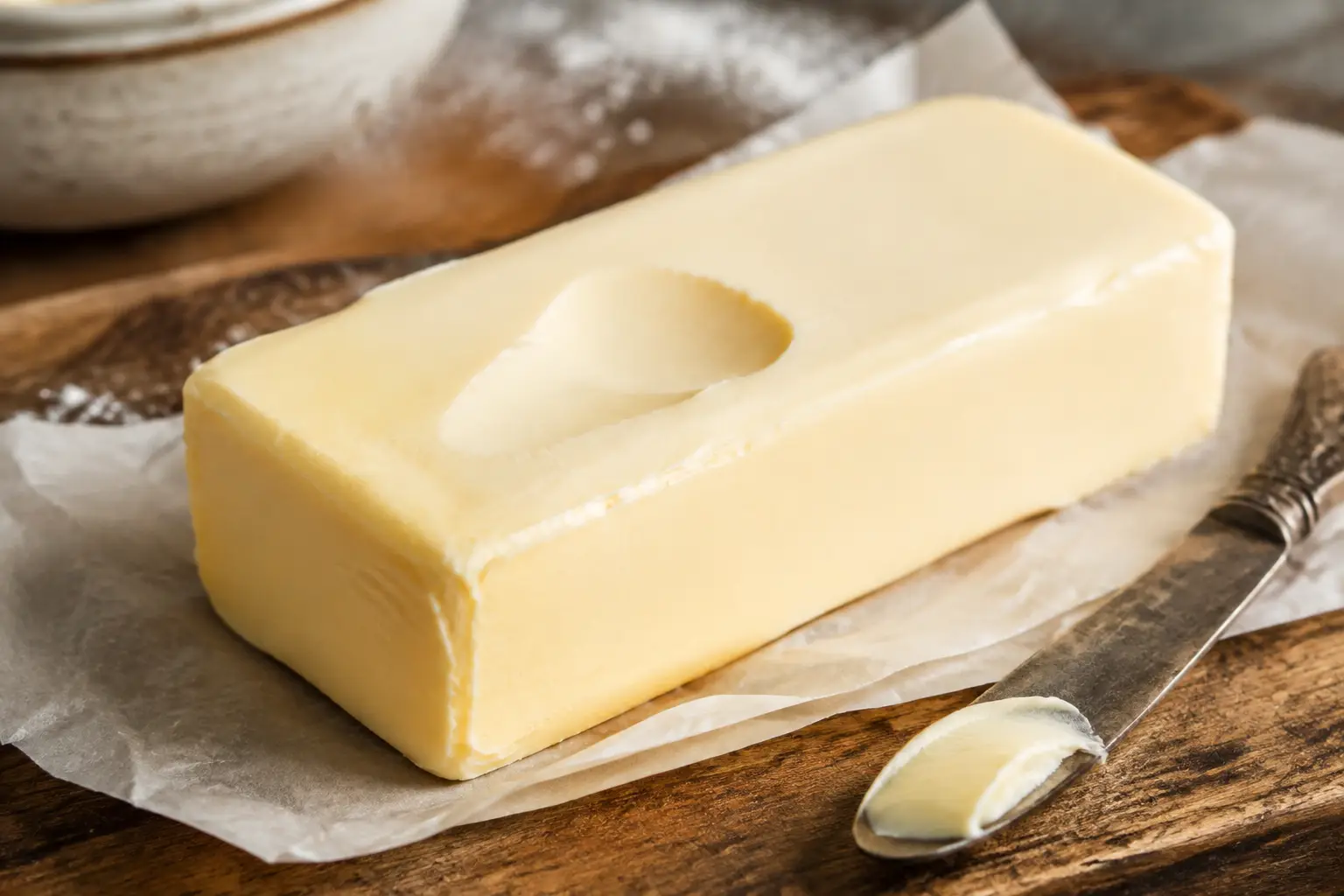
Room temperature butter is butter that has softened to about 65°F to 67°F. At this temperature, it is flexible enough to blend with sugar, eggs, and other ingredients, but it has not started to melt.
The butter should still look solid. It should not appear shiny, greasy, or separated.
When gently pressed with a finger, properly softened butter should leave a small indentation. Your finger should not sink all the way through the stick.
A stick of room temperature butter should also bend slightly without breaking. If it snaps or cracks, it is still too cold. If it collapses or feels oily, it is too warm.
Why Does Room Temperature Butter Matter in Baking?
Baking depends on ingredients working together in a certain way. The temperature of the butter affects how it mixes, how much air it holds, and how the batter behaves in the oven.
Room temperature butter matters because it:
- Blends evenly with sugar
- Holds tiny pockets of air during creaming
- Mixes more easily with eggs
- Helps create a smooth batter
- Supports an even cake texture
- Helps cookies keep the intended shape
- Produces smoother frosting and buttercream
Butter that is at the right temperature gives you more control over the final texture.
The Role of Butter in Baking
Butter does more than add flavor. It also affects tenderness, moisture, structure, browning, and spread.
Butter is made from fat, water, and milk solids. The fat coats some of the flour particles, helping limit gluten formation and keeping baked goods tender. The water in butter creates steam as it heats, while the milk solids help with flavor and browning.
Its physical state matters, too. Cold butter, softened butter, and melted butter behave differently in a recipe.
Cold butter can create flaky layers. Softened butter can trap air. Melted butter adds moisture and often produces a denser or chewier texture.
That is why you cannot always substitute one form for another and expect the same result.
What Does Room Temperature Butter Look Like?
Properly softened butter should:
- Hold its original shape
- Look matte rather than shiny
- Feel cool when touched
- Give slightly when pressed
- Have no visible melted spots
- Mix smoothly without turning oily
If your kitchen is warm, butter can move from properly softened to partially melted quickly. Check it before adding it to the mixing bowl.
The Finger Test for Softened Butter
The finger test is one of the easiest ways to check butter.
Gently press the center of the stick with your fingertip. You should leave a shallow dent, but the butter should still resist the pressure.
Here is what the result tells you:
- No dent: The butter is too cold.
- Small, clean dent: The butter is ready.
- Deep dent or collapsing butter: The butter is too warm.
- Oily or shiny surface: The butter has started melting.
This test is usually more useful than relying only on how long the butter has been sitting on the counter.
The Temperature Test
For the most accurate result, use an instant-read thermometer.
Insert the thermometer into the center of the butter without pushing it through to the counter. A temperature between 65°F and 67°F is usually ideal for creaming butter with sugar.
Some recipes can work with butter closer to 68°F, but once it reaches the low 70s, it may become too soft to hold air well.
Your kitchen temperature also affects the timing. A stick of butter will soften faster in a 76°F kitchen than it will in a 68°F kitchen.
Room Temperature Butter Is Not the Same as Melted Butter
Softened butter and melted butter are not interchangeable.
Softened butter remains solid and can hold air. Melted butter is liquid and cannot create the same air pockets during mixing.
Using melted butter when a recipe calls for softened butter may cause:
- Flat or overly spread cookies
- Dense cakes
- Greasy batter
- Heavy cupcakes
- Thin buttercream
- A chewier texture than intended
Some cookie recipes call for melted butter on purpose because it creates a soft, chewy center. Follow the temperature stated in the recipe instead of assuming softer is always better.
How Room Temperature Butter Affects Creaming
Creaming means beating butter and sugar together until the mixture becomes lighter in color and fluffy in texture.
The sugar crystals press into the softened butter and create many tiny air pockets. These pockets expand as the batter heats in the oven, helping cakes and cookies rise.
Butter must be soft enough for the sugar crystals to move through it. It must also be cool enough to hold the air pockets.
Cold butter is too firm to cream properly. Very warm butter cannot hold the air and may turn loose or greasy.
When properly creamed, butter and sugar should look pale, fluffy, and slightly increased in volume. Depending on the mixer and recipe, this may take about two to five minutes.
Scrape down the bowl at least once so all of the butter is mixed evenly.
How Room Temperature Butter Affects Cakes
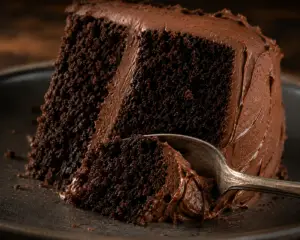
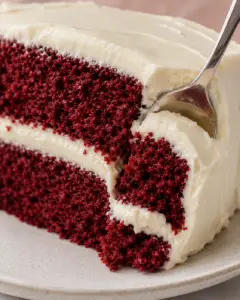
Many butter-based cakes begin by creaming butter and sugar. This step creates the base for a soft, even crumb.
If the butter is too cold, it may not combine fully with the sugar. Small butter lumps can remain in the batter, and the cake may bake unevenly.
If the butter is too warm, the mixture may look wet rather than fluffy. The cake may rise less and feel heavy or greasy.
Properly softened butter helps produce:
- A lighter cake texture
- An even crumb
- Better volume
- Smooth batter
- Consistent baking
- Even distribution of flavor
Room temperature eggs and dairy are often called for in the same recipe because ingredients at similar temperatures mix together more easily.
How Room Temperature Butter Affects Cookies
The temperature of butter can change how much cookies spread.
Butter that is too warm begins melting soon after the cookie dough enters the oven. The dough may spread before the edges have time to set.
This can lead to:
- Thin cookies
- Greasy edges
- Cookies that merge on the baking sheet
- Less defined shapes
- Uneven texture
Butter that is too cold can also cause trouble. It may not cream fully with the sugar, resulting in dense cookies or chunks of butter throughout the dough.
For most classic chocolate chip, sugar, oatmeal, and peanut butter cookies, softened butter that still feels cool is a good starting point.
Always check the recipe, though. Some cookie recipes use browned butter, melted butter, or cold butter to create a certain texture.
How Room Temperature Butter Affects Buttercream
Butter temperature has a direct effect on frosting consistency.
Cold butter does not whip easily and may leave small lumps. Very soft butter can make frosting loose, greasy, or difficult to pipe.
For American buttercream, softened butter should hold its shape but give under gentle pressure. Beat the butter first until smooth before adding powdered sugar.
If the finished buttercream feels too soft, refrigerate it for 10 to 15 minutes and mix it again. If it is too firm, let it sit at room temperature briefly before whipping.
How Long Does Butter Take to Reach Room Temperature?
A full stick of butter usually takes about 30 to 60 minutes to soften on the counter. The exact timing depends on:
- The temperature of your kitchen
- The size and shape of the butter
- Whether the butter was refrigerated or frozen
- The type of butter
- The amount needed
In a cool kitchen, a full stick may take longer than an hour. In a warm kitchen, it may soften in 20 to 30 minutes.
Cutting the butter into smaller pieces will speed up the process.
How to Soften Butter Quickly
Forgot to take the butter out of the refrigerator? These methods can soften it faster without melting it.
- Cut the Butter into Cubes
Cut the butter into small cubes and spread them in a single layer on a plate.
Smaller pieces have more surface area exposed to the air, so they soften faster than a full stick. Cubed butter usually softens in about 15 to 30 minutes.
Keep the pieces away from a sunny window, warm oven, or stovetop.
- Grate the Butter
Use the large holes of a box grater to grate cold butter onto a plate.
The thin pieces soften quickly, often within 10 to 15 minutes. This method works well when you need softened butter for cookie dough, cake batter, or frosting.
Grating can become messy if the butter starts warming in your hand. Hold it by the wrapper or grate only part of the stick at a time.
- Flatten the Butter
Place the wrapped butter between two pieces of parchment paper or inside a sealed food storage bag. Gently pound and roll it with a rolling pin.
Flattening the butter makes it thinner and more flexible. Let it rest for a few minutes after rolling so the temperature can even out.
This method is useful when you need butter quickly but do not want to use a microwave.
- Use a Warm Glass
Fill a heat-safe glass with hot water and let it sit for a minute. Pour out the water and dry the glass.
Place the warm glass upside down over a stick of butter. The trapped warmth will gently soften it.
Check the butter after five minutes. Repeat with freshly warmed water if needed.
The glass should feel warm, not extremely hot. Too much heat can melt the outside of the butter while the center stays firm.
- Use the Microwave Carefully
A microwave can work, but it is also the easiest way to accidentally melt butter.
Use a low power setting and heat the butter for five seconds at a time, rotating it after each interval. Stop as soon as it gives slightly when pressed.
Do not microwave the butter for 20 or 30 seconds all at once. The center or bottom may melt before the rest appears soft.
If your microwave has a soften-butter setting, check the butter before the full cycle finishes.
Methods to Avoid When Softening Butter
Placing butter on top of a hot oven, beside a burner, or in direct sunlight may soften the outside too quickly.
Avoid pouring boiling water directly over wrapped butter. Water can seep through the wrapper, and the high heat may melt the butter unevenly.
You should also avoid placing butter in a warm oven. Even at a low setting, the heat can melt the outside before the middle softens.
Gentle, even warming gives you a better result.
What If the Butter Becomes Too Soft?
Butter that is slightly too soft can usually be saved.
Place it in the refrigerator for about 10 to 15 minutes. Check it every five minutes so it does not become hard again.
If the butter has partially melted, refrigerate it until it returns to a soft, solid state. It may still work in some recipes, but it may not cream as well as butter that never melted.
For a cake that relies heavily on creaming, starting with another stick of butter may give you a more dependable result. Save the melted butter for pancakes, brownies, sautéing, or another recipe that calls for it.
Can Melted Butter Be Turned Back Into Softened Butter?
Melted butter becomes solid again when chilled, but it does not immediately return to its original structure.
As butter melts, its fat, water, and milk solids can separate. Rechilling makes it firm, but the texture may be less uniform.
You can refrigerate melted butter and use it later for cooking or a recipe that specifically calls for melted butter. For a light butter cake, whipped frosting, or another recipe that depends on creaming, fresh softened butter is the safer choice.
Should Eggs Also Be at Room Temperature?
When a recipe calls for room temperature butter, it often calls for room temperature eggs as well.
Cold eggs can cause softened butter to firm up or curdle when they are added. The mixture may look lumpy or separated.
Room temperature eggs blend more evenly into the butter mixture and help create a smoother batter.
To warm eggs quickly, place them in a bowl of warm tap water for five to ten minutes. Do not use boiling water.
Should Milk and Sour Cream Be at Room Temperature?
Milk, buttermilk, yogurt, and sour cream may also mix better when they are not refrigerator-cold.
Cold dairy can chill the butter and cause the batter to look curdled. This is especially common in pound cakes, butter cakes, and cupcakes.
You do not need to leave dairy products on the counter for a long time. Measure the amount needed and let it sit briefly while you prepare the remaining ingredients.
What If My Batter Looks Curdled?
Cake batter sometimes looks curdled after eggs are added to creamed butter and sugar. This often happens when the eggs are too cold or added too quickly.
Stop the mixer and scrape the bowl. Add the eggs one at a time, mixing after each addition.
If the mixture still looks separated, add one tablespoon of the measured flour and mix on low speed. The batter may smooth out once the dry ingredients are added.
A slightly curdled batter does not always ruin a cake, but preventing the temperature difference gives you more consistent results.
Salted vs. Unsalted Butter at Room Temperature
Both salted and unsalted butter soften in the same basic way.
Unsalted butter is commonly used in baking because it lets you control the amount of salt in the recipe. The salt level in salted butter can vary by brand.
If a recipe calls for unsalted butter and you only have salted butter, you can often use it and reduce the added salt slightly. For every half cup of salted butter, consider reducing the recipe’s added salt by about one-quarter teaspoon.
This is a general guide. The exact salt content depends on the butter brand.
European-Style Butter and Softening Time
European-style butter usually contains more butterfat and less water than standard American butter. It may soften faster and feel more flexible at the same temperature.
Watch the texture rather than relying only on the clock. A high-fat butter can move from cool and flexible to greasy faster in a warm kitchen.
If your recipe was tested with a certain type of butter, using the same style will give you the closest result.
When Should You Not Use Room Temperature Butter?
Not every baking recipe needs softened butter.
Cold butter is usually needed for:
- Pie crust
- Biscuits
- Scones
- Puff pastry
- Croissants
- Some cobblers
- Certain crumb toppings
Cold pieces of butter create steam in the oven, helping form flaky layers and pockets.
Melted butter is often used for:
- Brownies
- Blondies
- Some chewy cookies
- Quick breads
- Pancakes
- Waffles
- Graham cracker crusts
The recipe should tell you which form to use. If it says cold, softened, browned, or melted, that instruction is tied to the planned texture.
Common Room Temperature Butter Mistakes
- Leaving Butter Out All Day
Butter can become too warm long before you are ready to bake, especially in a warm kitchen.
Set a timer when taking it out of the refrigerator. Begin checking it after 30 minutes.
- Judging Only by the Outside
The outside of a stick may feel soft while the center remains cold and firm.
Press near the middle or check the center with a thermometer.
- Microwaving at Full Power
High heat can create hidden melted spots. These pockets may not be obvious until you begin mixing.
Use short intervals and low power.
- Using Butter That Looks Shiny
A shiny or oily surface is a sign that the butter has started to melt.
Chill it briefly before using it.
- Mixing Cold Eggs Into Soft Butter
Cold eggs may cause the butter to harden into tiny pieces.
Warm the eggs gently before adding them.
- Creaming for Too Little Time
Butter and sugar need time to trap air. Mixing only until combined may not create the fluffy texture needed for a butter-based cake.
Follow the recipe’s mixing time and scrape the bowl as needed.
- Creaming for Too Long
Creaming for an extended time can warm the butter too much, especially with a powerful stand mixer.
Stop once the mixture is pale, fluffy, and evenly blended.
Tips for Better Baking with Softened Butter
- Read the full recipe before starting.
- Take out only the amount of butter you need.
- Cut the butter into pieces for faster softening.
- Keep it away from direct heat.
- Use the finger test before mixing.
- Check the temperature when accuracy matters.
- Bring eggs and dairy closer to room temperature.
- Scrape the mixing bowl often.
- Stop mixing if the butter begins looking greasy.
- Chill cookie dough if it feels unusually soft.
These habits can make your baking results much more consistent.
Quick Room Temperature Butter Guide
For a fast check, remember these three signs:
- The butter holds its shape.
- A fingertip leaves a shallow indentation.
- The butter feels slightly cool and does not look shiny.
If all three are true, the butter is likely ready to use.
More Baking Guides to Try
If you enjoy learning why baking recipes work, my guides can help with other common questions:
- Butter Measurement Guide: Sticks, Cups, Tablespoons, and Grams Converted
- Baking Measurement Conversion Chart
- Oven Temperature Conversion Chart
- Why Are My Cookies Flat?
- Why Did My Cake Sink in the Middle?
- Why Are My Brownies Cakey Instead of Fudgy?
- All-Purpose Flour vs. Cake Flour
- Egg Substitute Guide for Baking
- Baking Tips for Complete Beginners
My Last Thoughts
Room temperature butter is softened butter that remains cool, solid, and able to hold its shape. It should dent when pressed but should never look melted or greasy.
Using butter at the right temperature helps it cream properly with sugar, combine evenly with other ingredients, and produce the texture the recipe intended.
The next time a recipe calls for room temperature butter, check the butter itself instead of relying only on the clock. A quick finger test can tell you whether it is ready.