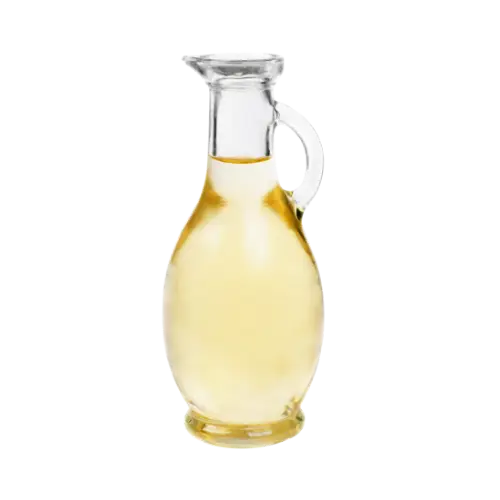
White vinegar (around 5% acetic acid) is the most acidic of common cooking vinegars and the most neutral in flavor. The harsh acidity makes it less suitable for dressings where the vinegar is featured (red wine, balsamic, or rice vinegar work better), but ideal for applications where the acid is a background note and the vinegar’s lack of color or flavor is preferred.
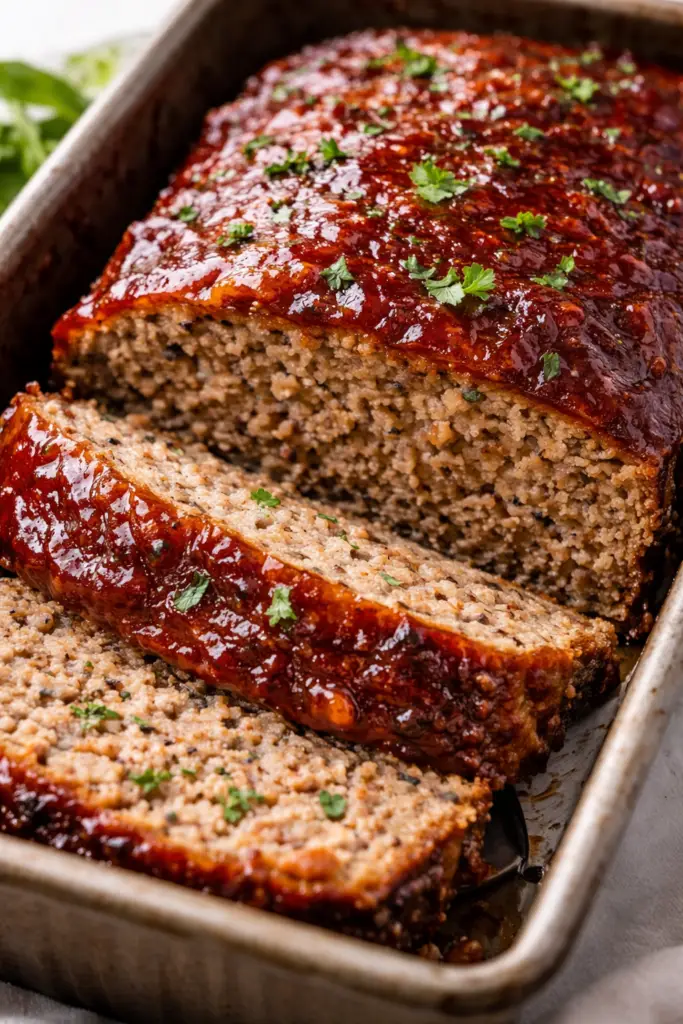
For meatloaf glazes, white vinegar combines with ketchup, brown sugar (such as in Smoked Chicken and Crispy Oven Baked Chicken Wings), and worcestershire sauce (as in The Best Homemade Sloppy Joe and The Best Ground Beef Meatballs) in the classic American glaze formula. The standard ratio is 1/2 cup ketchup + 2 tablespoons brown sugar + 1 tablespoon white vinegar + 1 teaspoon Worcestershire, brushed on during the last 15 minutes of baking. The vinegar cuts the sweetness of the ketchup and brown sugar for a balanced glaze.
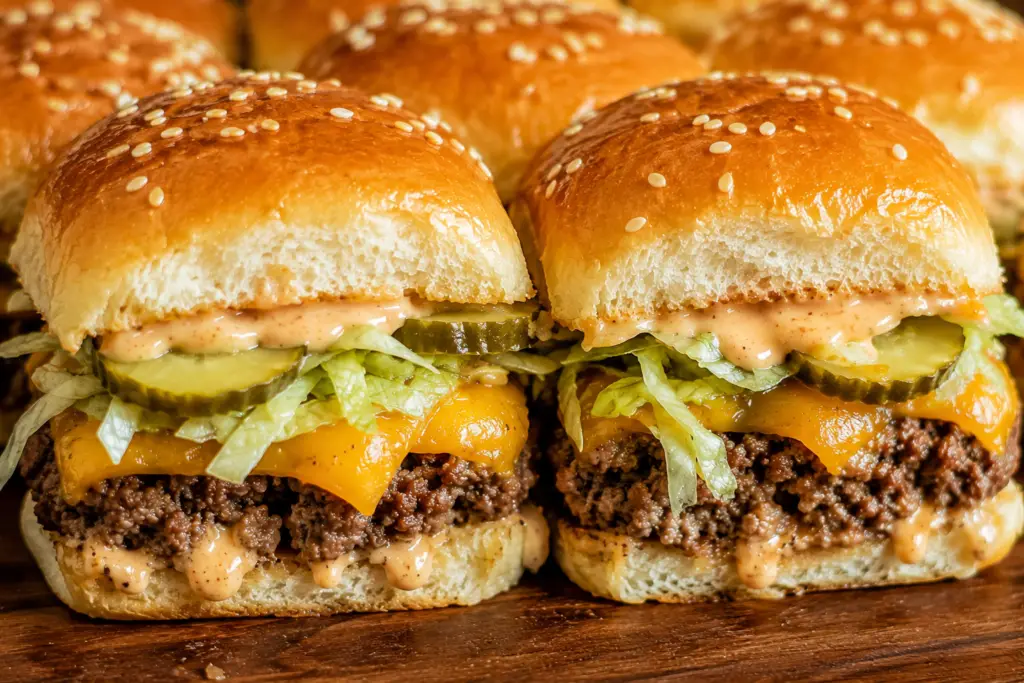
For slider sauces, white vinegar in barbecue-style sauces or finishing splashes balances the sweet-savory profile of the buns and meat. The 1-2 teaspoons amount per cup of sauce is usually enough to brighten without dominating. Pairing the sauce with dijon mustard (used in Chicken Cordon Bleu Casserole and Gut Friendly Honey Mustard Dressing) produces the classic burger-bar finish.
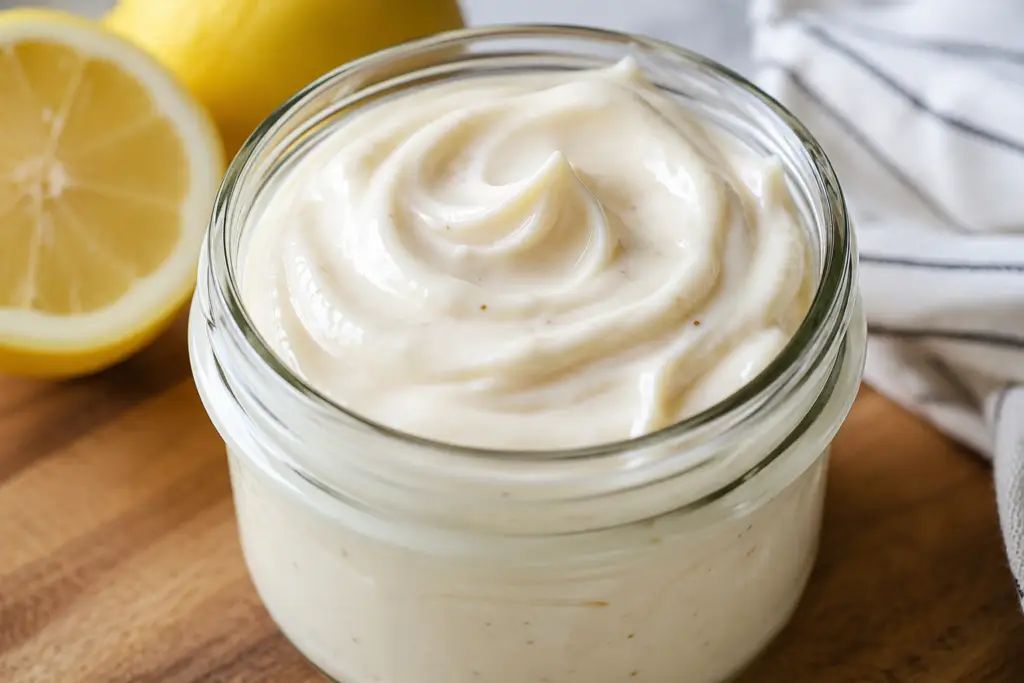
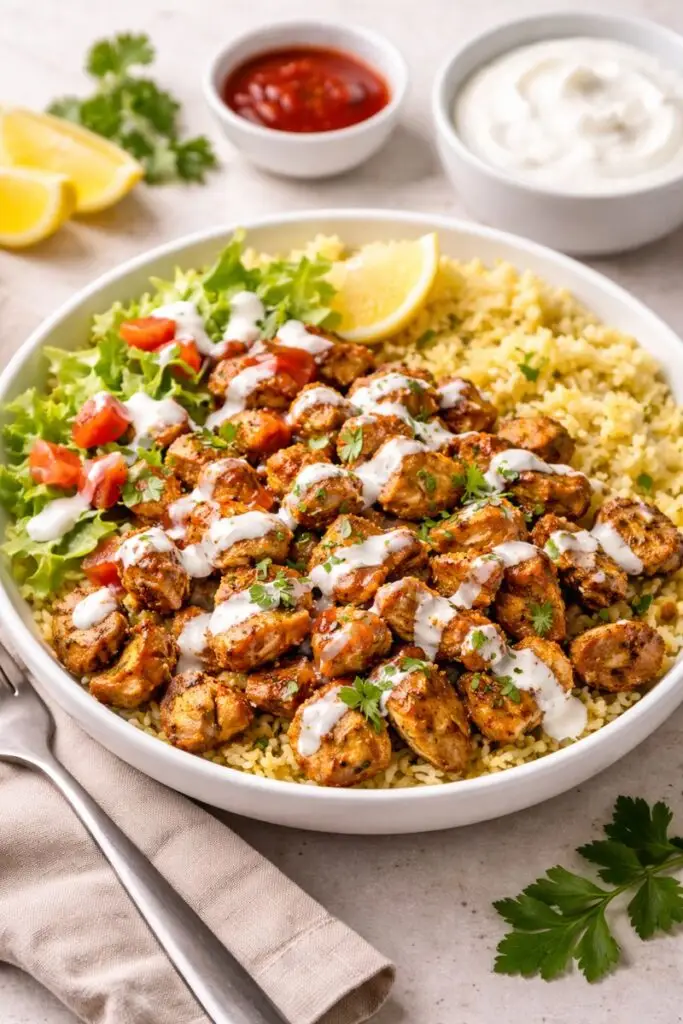
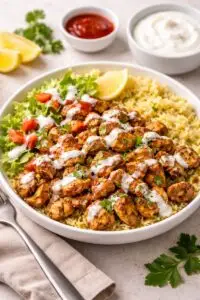
For Middle Eastern dishes like the halal cart style, white vinegar shows up in the white sauce that defines the New York City halal cart style. The standard white sauce is 1 cup mayo + 1/2 cup greek yogurt (seen in Chocolate Banana Overnight Oats and Poppy Seed Chicken) + 2 tablespoons white vinegar + 1 tablespoon sugar (such as in Egg Free Cottage Cheese Muffins and Cottage Cheese Eggless Pancakes) + 1 teaspoon black pepper (as in The Best Sheperds Pie and Simple Must Try Onion Boil), blended smooth. The vinegar cuts through the richness of the mayo and creates the signature sharp, slightly tangy sauce.
For pickling, white vinegar is the standard choice for vegetable pickles where you want the brine to remain clear. The basic quick-pickle brine is 1 cup white vinegar + 1 cup water + 2 tablespoons salt (used in Homemade Hamburger Helper and Banana Bread Overnight Oats) + 1 tablespoon sugar + 1 teaspoon pickling spice, poured hot over sliced cucumbers, onions, or other vegetables. Refrigerated quick pickles keep 4-6 weeks.
For cleaning applications (the original household use), white vinegar diluted 1:1 with water is the all-purpose cleaner for hard surfaces, glass, and stainless steel. Not relevant for cooking but worth knowing if you keep a big bottle around for both purposes. Opened white vinegar keeps 1-2 years in the original bottle at room temperature; the acetic acid prevents spoilage indefinitely.