
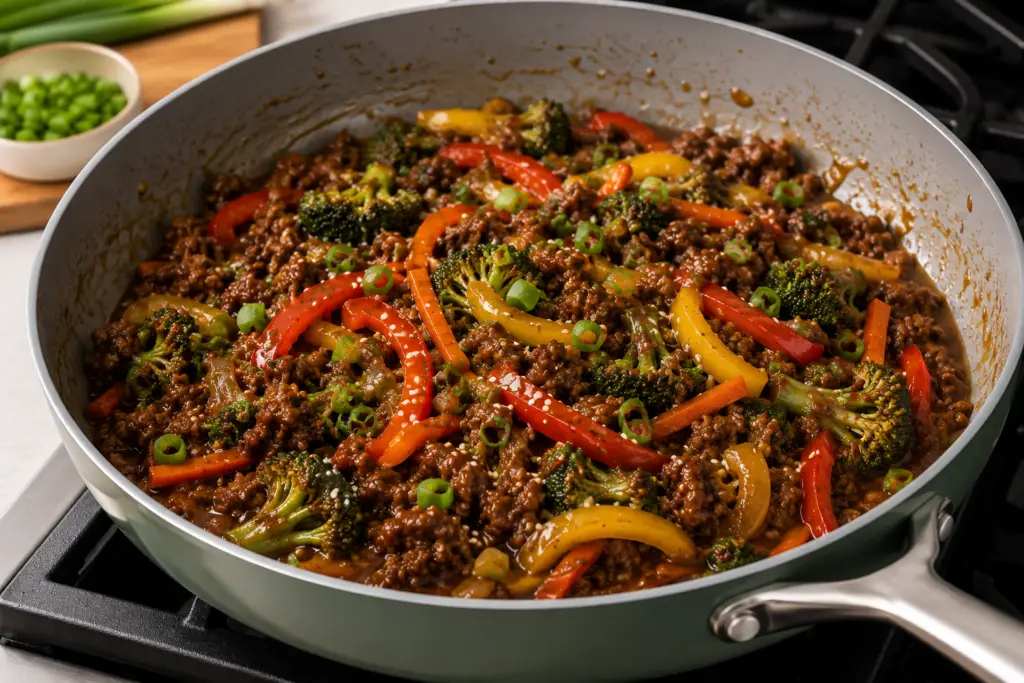
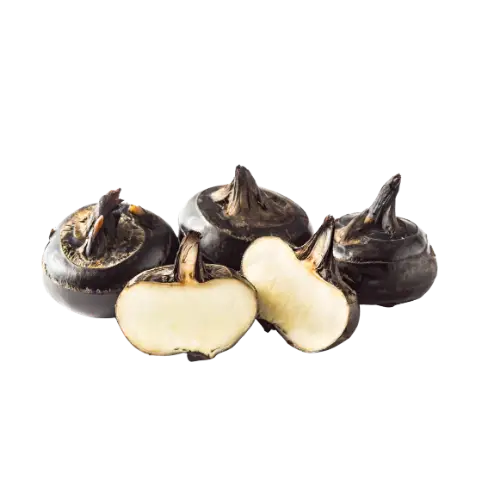
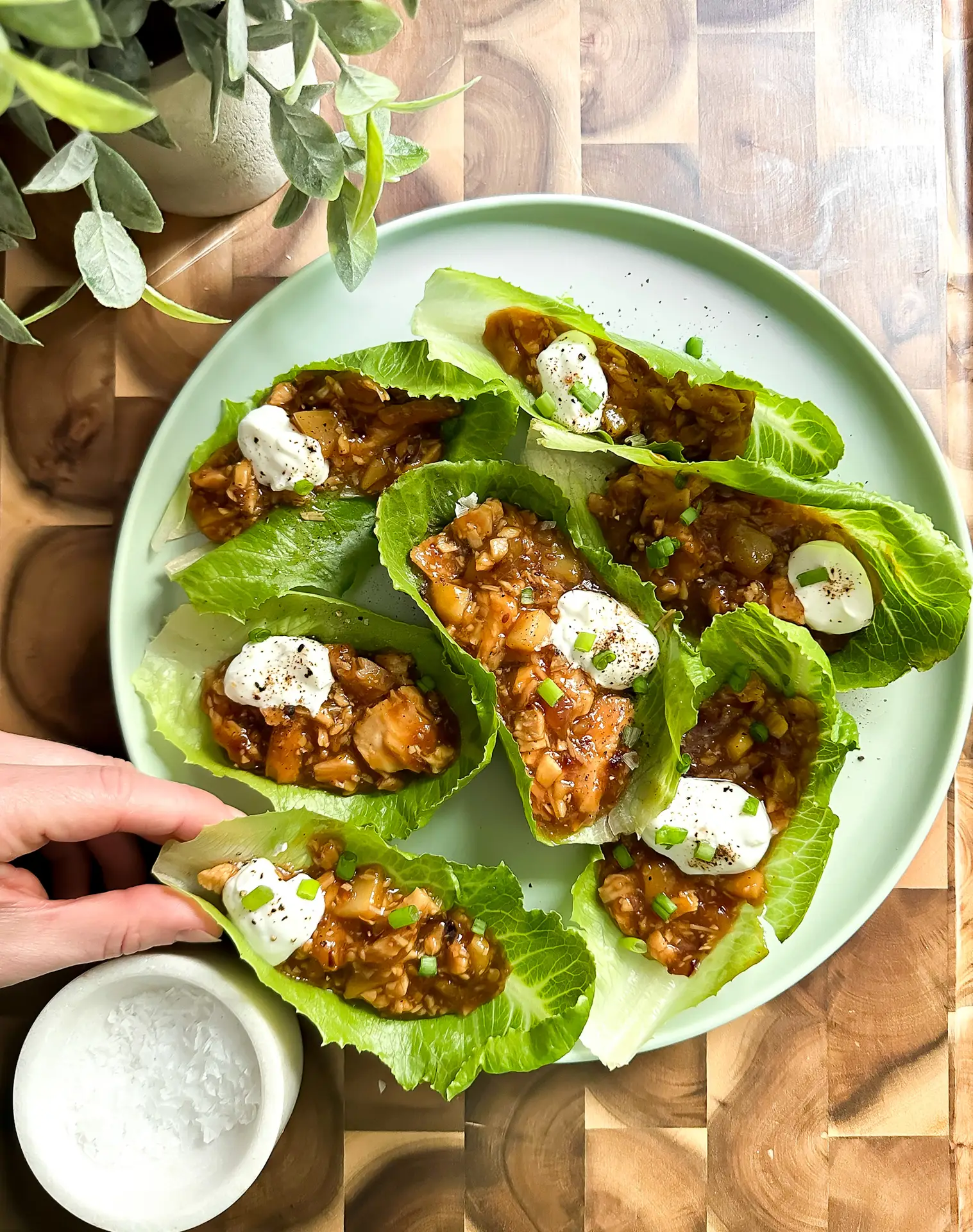
Water chestnuts are the crisp, mildly sweet aquatic vegetable (technically a corm, not a chestnut) used in Chinese-American cooking for their signature crunch that survives stir-frying. Canned sliced or whole water chestnuts are the pantry standard; fresh water chestnuts require peeling and are mostly available in Asian markets. Reader favorites built on it include Asian Ground Beef Stir Fry and PF Changs Chicken Lettuce Wraps where the diced water chestnuts add the signature crisp-crunch texture that distinguishes authentic Chinese-style stir-fries and lettuce wraps from generic versions.
Canned water chestnuts (sliced or whole) and fresh water chestnuts are the same vegetable in different forms. Canned versions are convenient, pre-peeled, and ready to use; they keep their crunch even after long cooking. Fresh water chestnuts require peeling (the brown skin is tough and inedible) but have noticeably better flavor, sweeter and more refreshing. Most home cooks use canned exclusively.
For stir-fries, drained canned water chestnuts (sliced or whole, your choice) go in during the last 2-3 minutes of cooking, just to heat through. They don’t need much cooking time; the goal is to warm them, not soften. The 1 can (8 oz drained) per pound of protein ratio is standard. Pairing with low-sodium soy sauce and sesame oil (used in 10 Minute Crispy Chicken Tacos and Caramel Apple Pie) in the stir-fry sauce produces the Chinese-American flavor that defines takeout-style cooking.
For lettuce wraps, finely diced water chestnuts are mixed into the cooked chicken filling for the signature crunch element. The 1 can drained and finely diced per pound of ground or diced chicken is the standard ratio. Mince or dice small (1/4-inch pieces) so the texture distributes evenly through the filling.
For substitution, jicama (Mexican turnip) is the closest texture match, also crisp and slightly sweet. Diced raw jicama works as a 1:1 substitute in stir-fries and salads. Sliced raw daikon radish or celery (seen in Creamy Chicken Wild Rice Soup and Cornbread Dressing) hearts provide similar crunch but different flavor. For applications where crunch is the goal but flavor is flexible, sliced almonds or cashew (such as in Protein Stuffed Dates and One Pot Eggplant Curry) also work in unexpected ways.
For salads and cold preparations, drained canned water chestnuts add crunch to mixed greens, pasta salads, and chicken salads. The neutral flavor doesn’t compete with dressings; the crisp texture survives in dressing-coated salads better than most vegetables. Pairing with rice vinegar in the dressing produces the Asian-style cold salad that works as a side dish.
For storage, unopened cans of water chestnuts keep 2-5 years in the pantry. Once opened, drain and transfer to a sealed glass container; submerge in fresh water and refrigerate. Change the water every 2-3 days. Opened water chestnuts keep about 1 week. Discard if they develop a slimy texture or sour smell.
Water chestnuts are commonly used in stir-fries, lettuce wraps, appetizers, casseroles, and Asian-inspired dishes for added crunch and texture.
Canned water chestnuts are already cooked. Simply drain, rinse, and add them to stir-fries, sautés, or other dishes to heat through and enhance texture.
Water chestnuts are used to add crunch and mild flavor to dishes like stir-fries, salads, and appetizers. They are popular in many Asian recipes.
Good substitutes include jicama, celery, or chopped apples, as they provide a similar crisp texture in recipes.
For more Asian pantry and crunchy-vegetable options, see our hoisin sauce and bean sprout recipes.