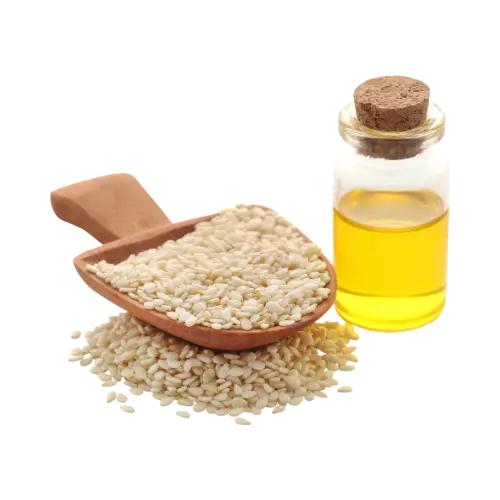
Toasted sesame oil and untoasted sesame oil are fundamentally different products. Toasted (the dark brown bottle) is made from roasted sesame seeds, intensely aromatic, low smoke point (350°F), used as a finishing drizzle or in dressings. Untoasted (lighter golden color) is made from raw sesame seeds, milder flavor, higher smoke point (450°F), can handle stovetop cooking. American Asian-food recipes almost always mean toasted; verify the bottle before substituting.
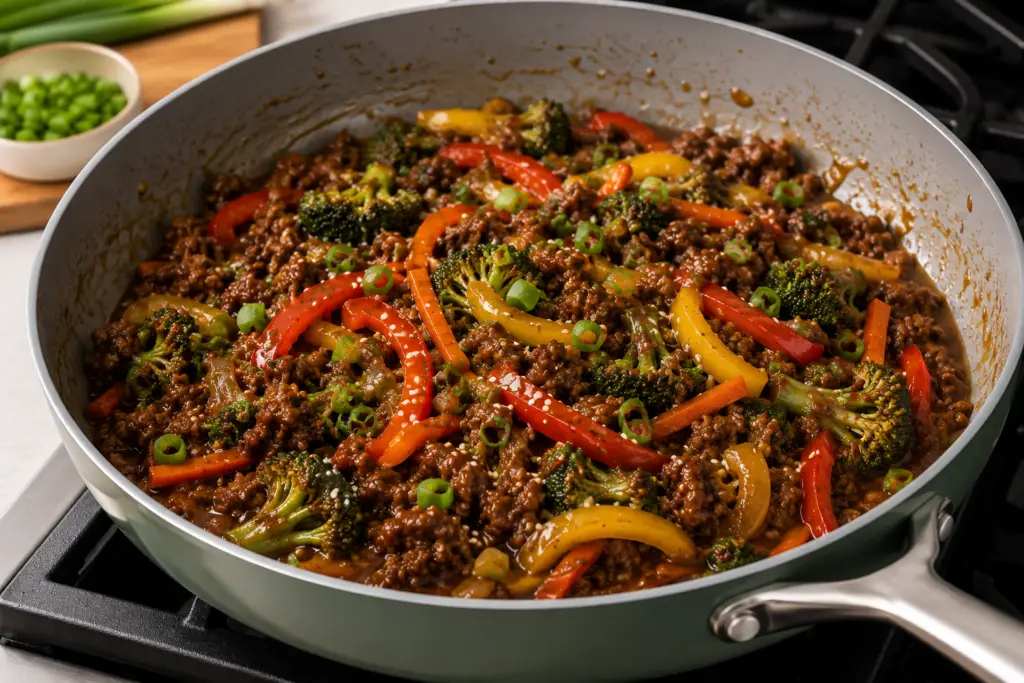
For stir-fries, the technique is to cook everything in a neutral high-heat oil (peanut, vegetable, avocado), then drizzle 1-2 teaspoons toasted sesame oil at the END just before plating. Adding toasted sesame oil to the hot pan at the start burns off the volatile aromatics and produces bitter results. The end-of-cook drizzle preserves the nutty fragrance and adds the unmistakable ‘restaurant Chinese food’ note that home cooks often miss.
For dressings, toasted sesame oil mixes with rice vinegar, soy sauce, ginger, and a touch of honey to make the classic Asian salad dressing. The standard ratio is 3 tablespoons rice vinegar, 2 tablespoons soy sauce, 1 tablespoon honey, 1 teaspoon toasted sesame oil, 1 teaspoon grated ginger. This dressing works on slaw, cucumber salad, grain bowls, and noodle salads. The garlic grated into the dressing right before serving keeps the flavor sharp.
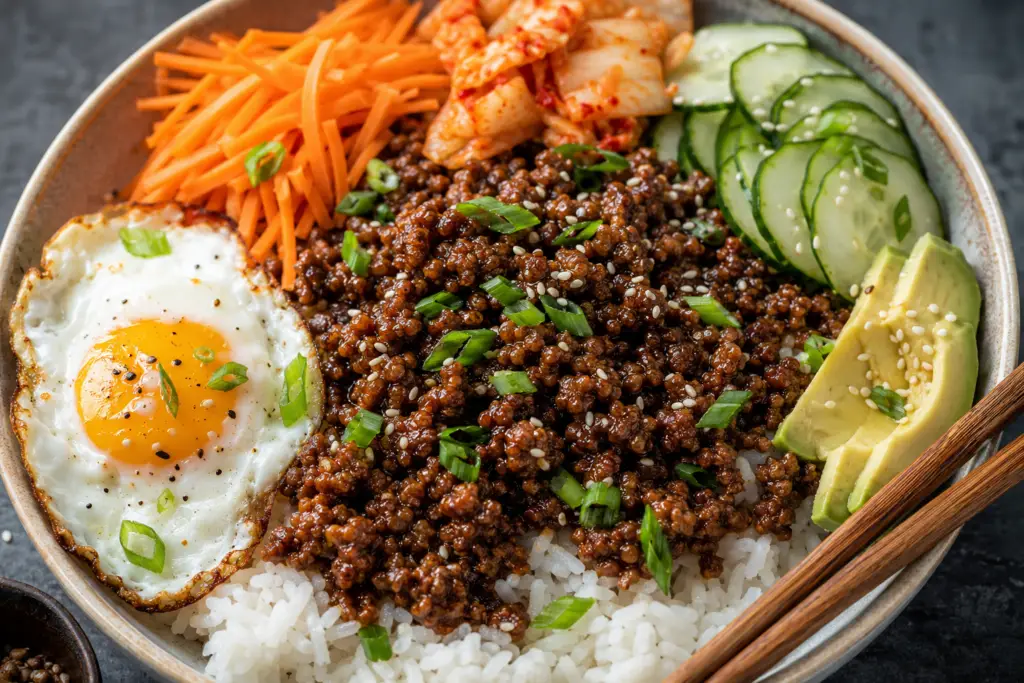
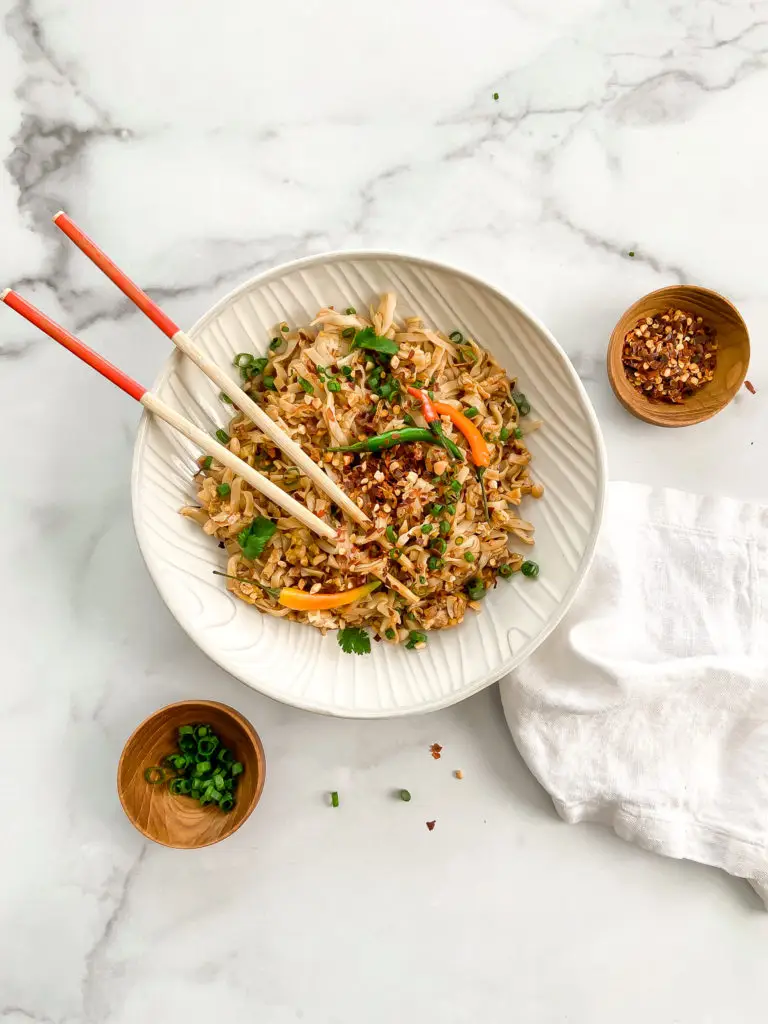
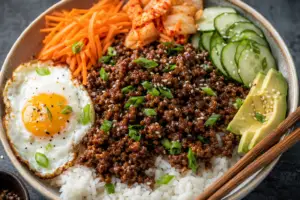
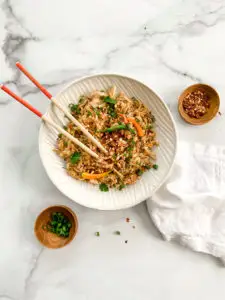
For marinades on Korean-style proteins (bulgogi, galbi), toasted sesame oil is 1 of the 5 defining ingredients (soy sauce, garlic, sugar, ginger, sesame oil). The standard ratio is 1/4 cup soy sauce, 2 tablespoons sugar, 1 tablespoon grated ginger, 4 cloves garlic, 1 tablespoon toasted sesame oil per pound of meat. Marinate 4-12 hours. The pairing with sesame seed (the actual seeds, toasted and sprinkled on the finished dish) doubles the sesame presence in finished Korean dishes. The classic application is Easy Pad Thai Noodles where toasted sesame oil finishes the noodles with its nutty aroma right before serving. Browse olive oil, coconut oil, and salt for closely related cooking applications.