Vegetable oil refers to a blend of plant-based oils, usually soybean or a soy-and-canola mix in most US grocery store brands. The smoke point is around 400°F, which makes it suitable for deep frying, pan frying, and most baking applications. coconut oil and other specialty oils have specific flavor profiles, but vegetable oil’s neutrality is what makes it the right default when a recipe simply says “oil” without specifying.
For frying, vegetable oil is the right choice over olive oil because the high smoke point lets it heat to 350°F without smoking and turning bitter. Chicken Francese demonstrates the pan-fry technique on dredged chicken cutlets where the oil needs to be hot enough to crisp the coating without burning. The temperature matters more than the brand of oil — bring it to temperature with a thermometer, and most neutral oils work equivalently.
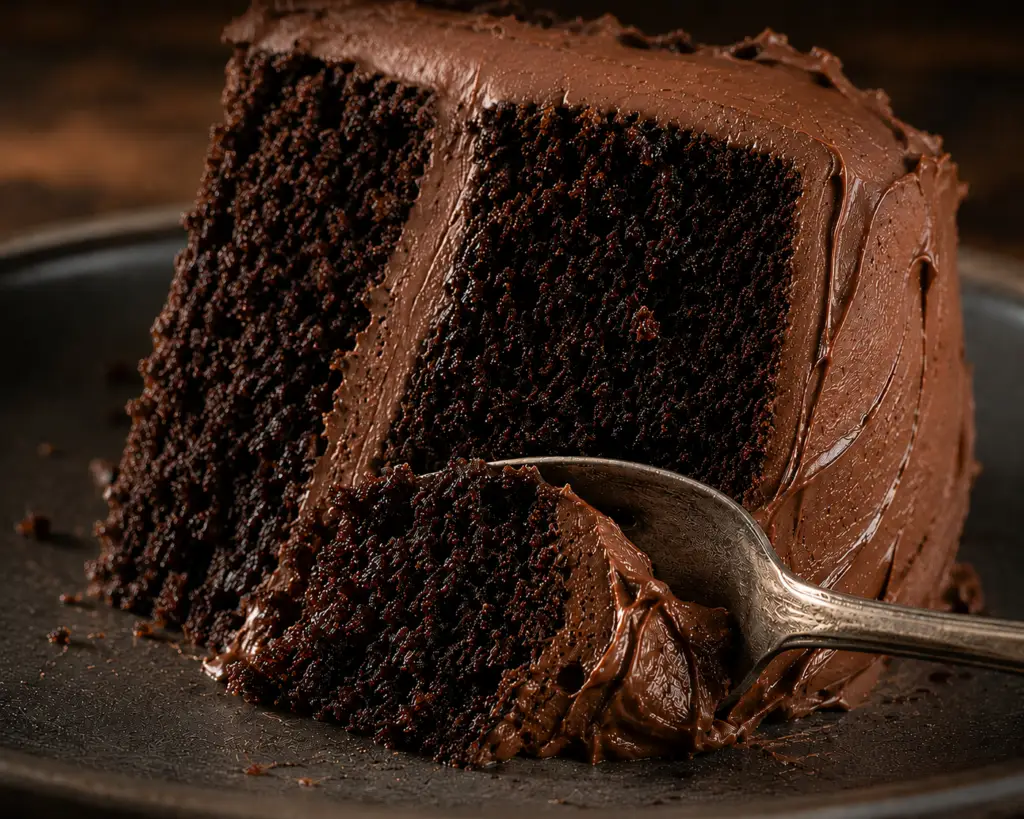
For baking, vegetable oil produces a different texture than butter-based recipes. Oil coats the flour proteins differently, which means cakes made with oil stay moist for days rather than drying out within 24 hours like butter cakes do. Cinnamon Roll Cake uses oil specifically for that extended-moisture property — the cake stays tender from Monday’s bake all the way through Friday’s leftovers. The trade-off is loss of buttery flavor; recipes that depend on butter as a flavor element (shortbread, butter cookies, croissants) cannot substitute oil without losing their identity.
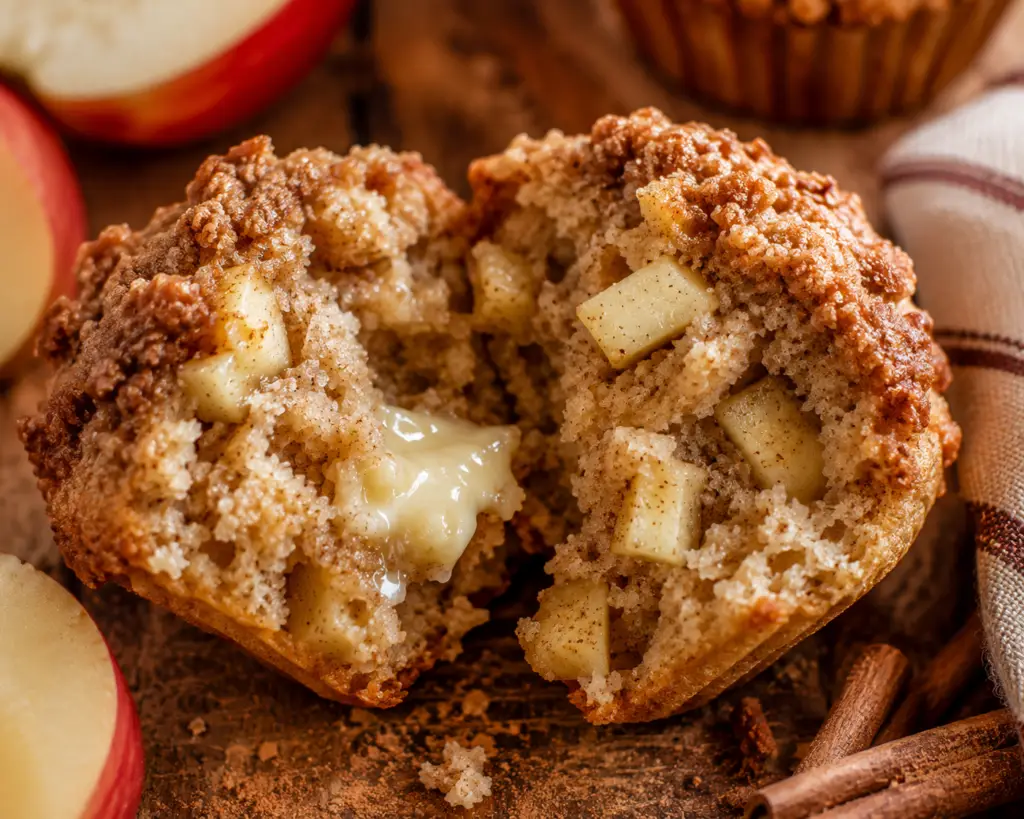
The substitution math is roughly 3/4 cup of oil to replace 1 cup of butter in most cake and muffin recipes. The egg-and-oil ratio matters more than the absolute amounts — emulsifying the eggs with the oil before adding to the dry ingredients produces the smooth batter that bakes evenly. Skipping that emulsification step produces a streaky finished bake with pockets of oil that did not incorporate. The same emulsification rule applies to vinaigrettes and dressings, where vigorous whisking is what keeps the oil and acid suspended together. Once an oil-based recipe separates, no amount of mixing fully restores it — like working with salt in a brine, the order of operations matters more than the quantities.