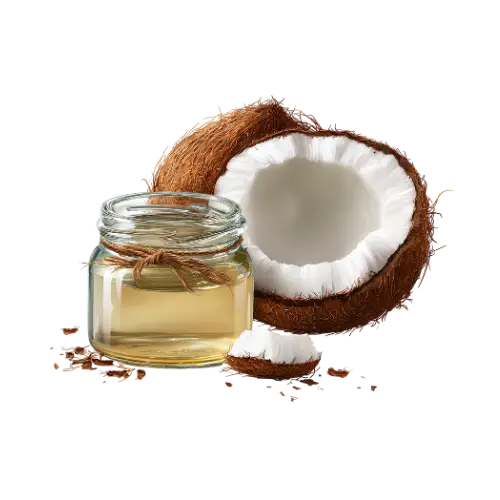
Coconut oil is solid below 76°F and liquid above it, which is what makes it useful in some applications and impossible in others. For solid-at-room-temperature uses (granola binders, chocolate coatings, baked good substitutions for butter), coconut oil works directly. For applications that require liquid oil (vinaigrettes, marinades, frying), coconut oil needs to be melted first or substituted with a true liquid oil. The same room-temperature distinction matters in almond flour bakes, where coconut oil naturally pairs with the high-fat flour.
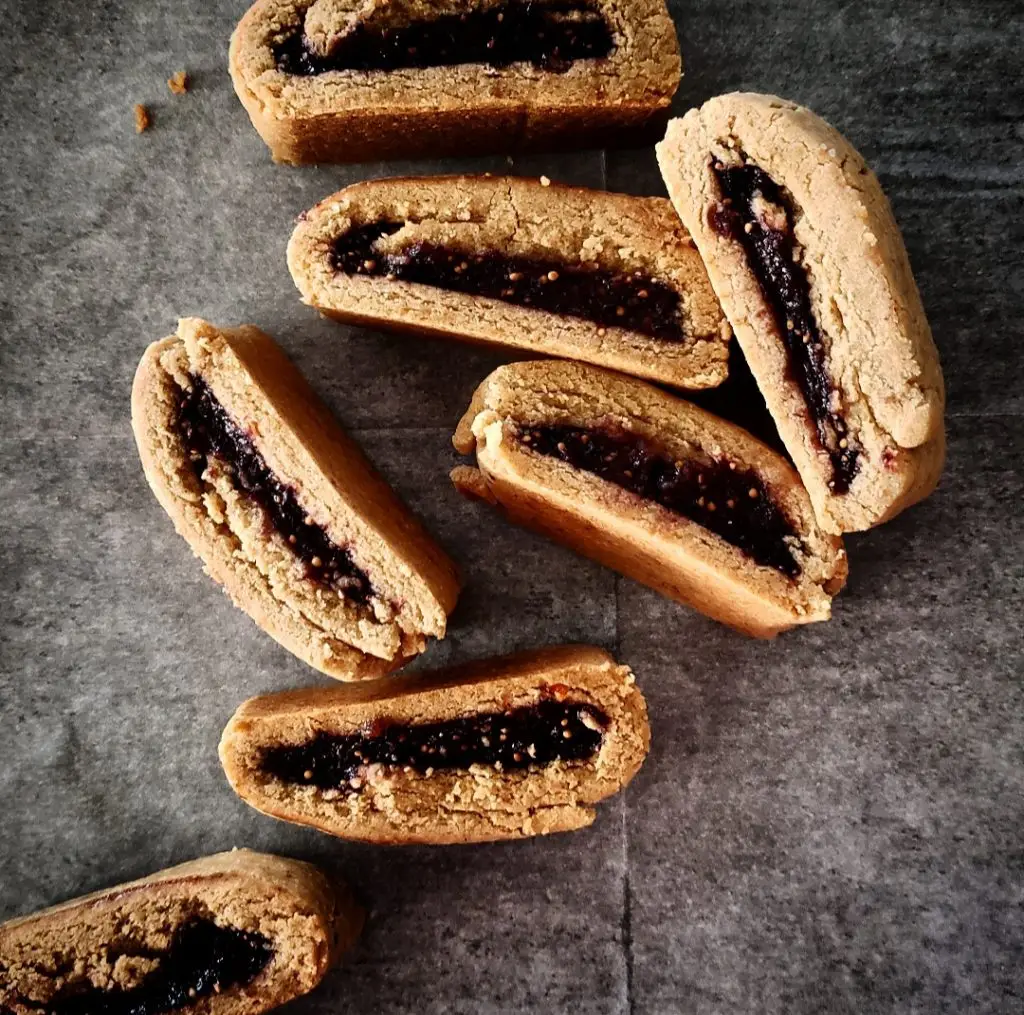
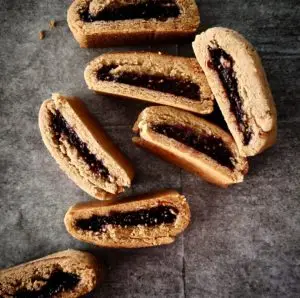
The refined-versus-unrefined choice changes the recipe significantly. Refined coconut oil has been processed to remove most of the coconut flavor and smell, working as a neutral fat in any recipe. Unrefined (virgin) coconut oil retains the strong coconut aroma and flavor, which works in coconut-forward recipes but clashes in chocolate, vanilla, and most baking contexts. Default to refined unless the recipe specifically calls for unrefined or unless coconut flavor is part of the goal. Homemade Fig Newtons uses refined coconut oil in the dough where the goal is buttery texture without the coconut flavor.
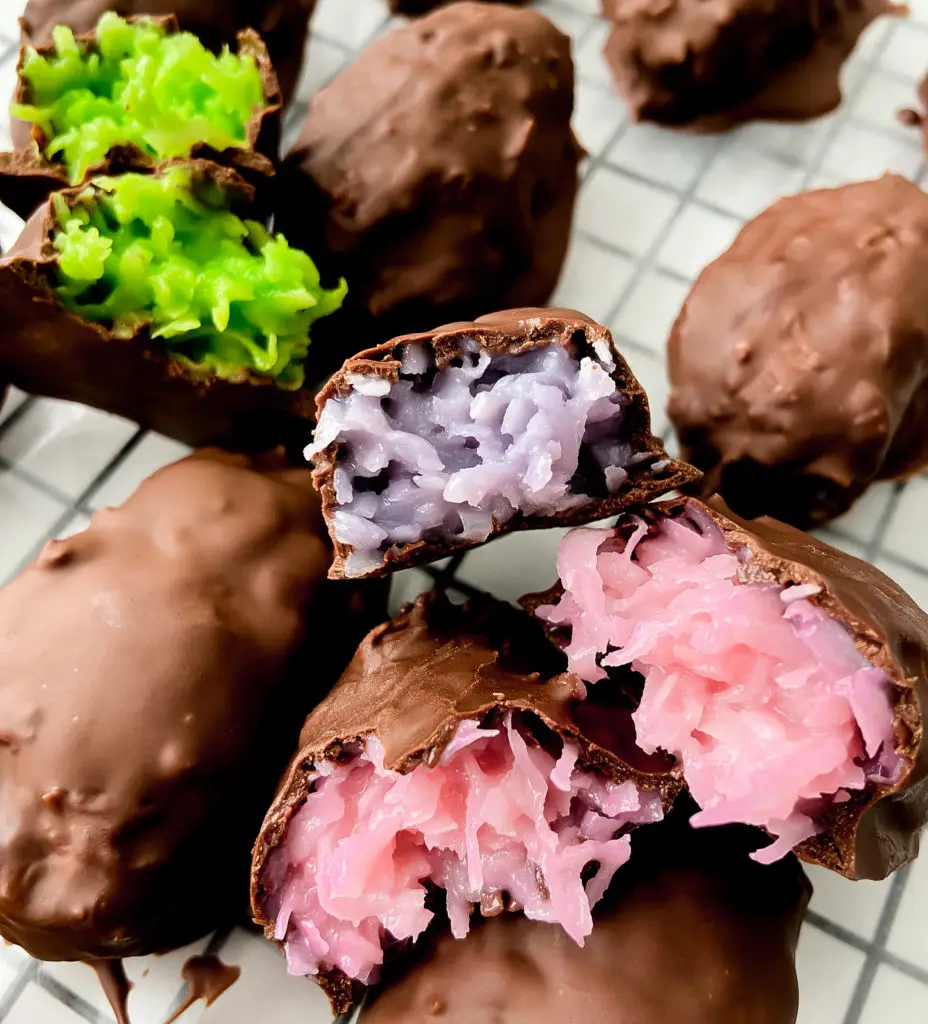
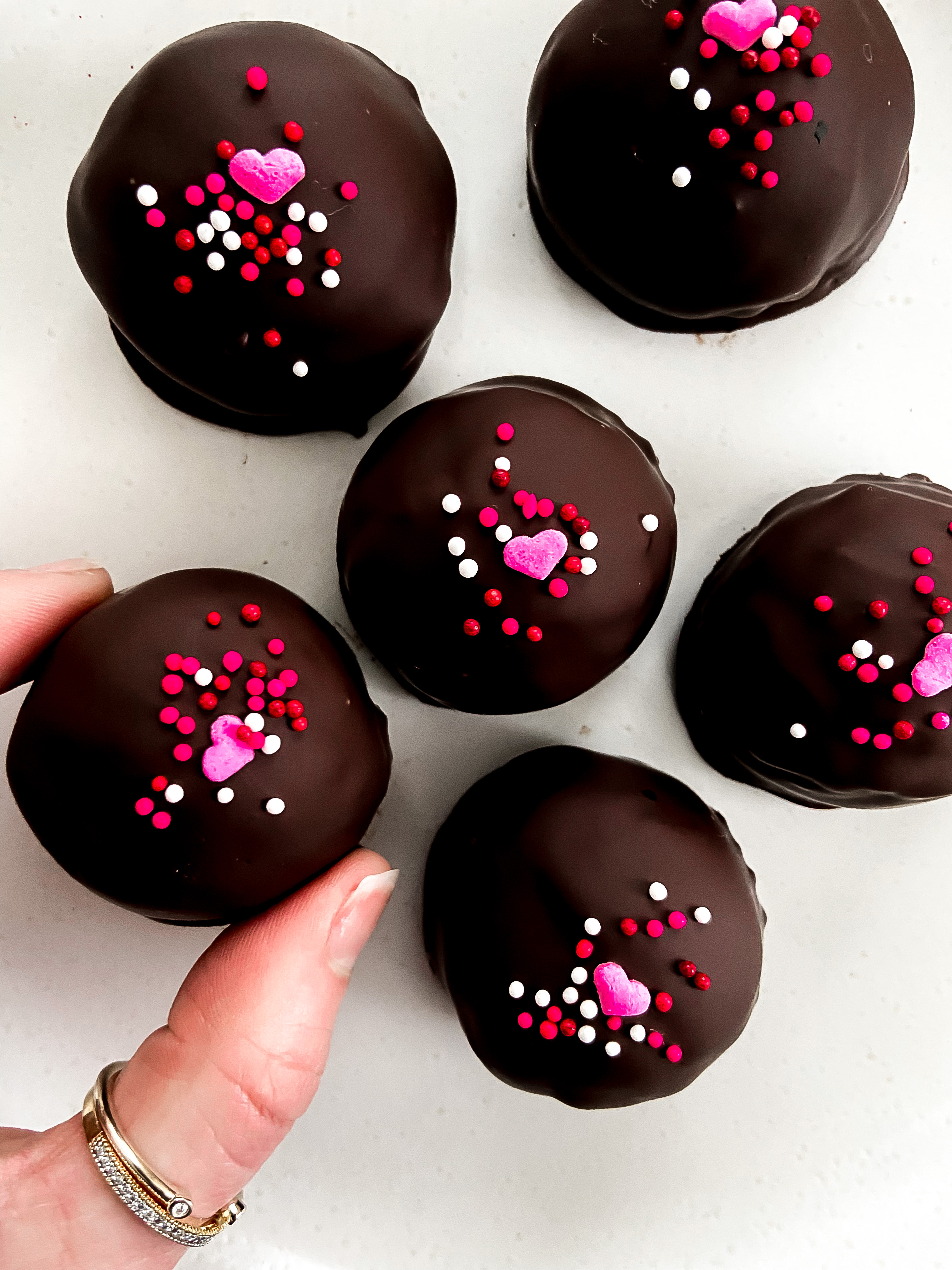
For chocolate-coating applications, coconut oil is the standard thinner that turns thick melted chocolate into a pourable, dippable coating. The ratio is roughly 1 tablespoon coconut oil per cup of melted chocolate , the oil thins the chocolate enough to coat in a thin layer while still setting up firm at room temperature. Easy Chocolate Cake Pops demonstrates this technique on a dipped format where the chocolate needs to coat cleanly without dripping. Skip the coconut oil and the chocolate sets too thick; use too much and the coating stays soft and never fully firms.
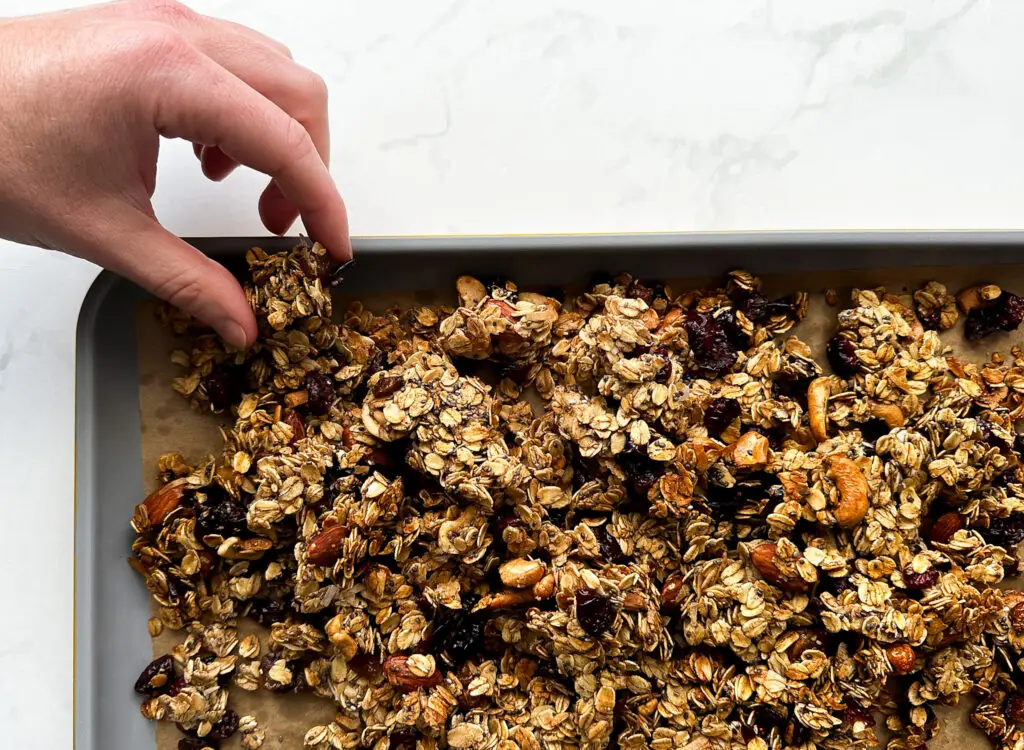
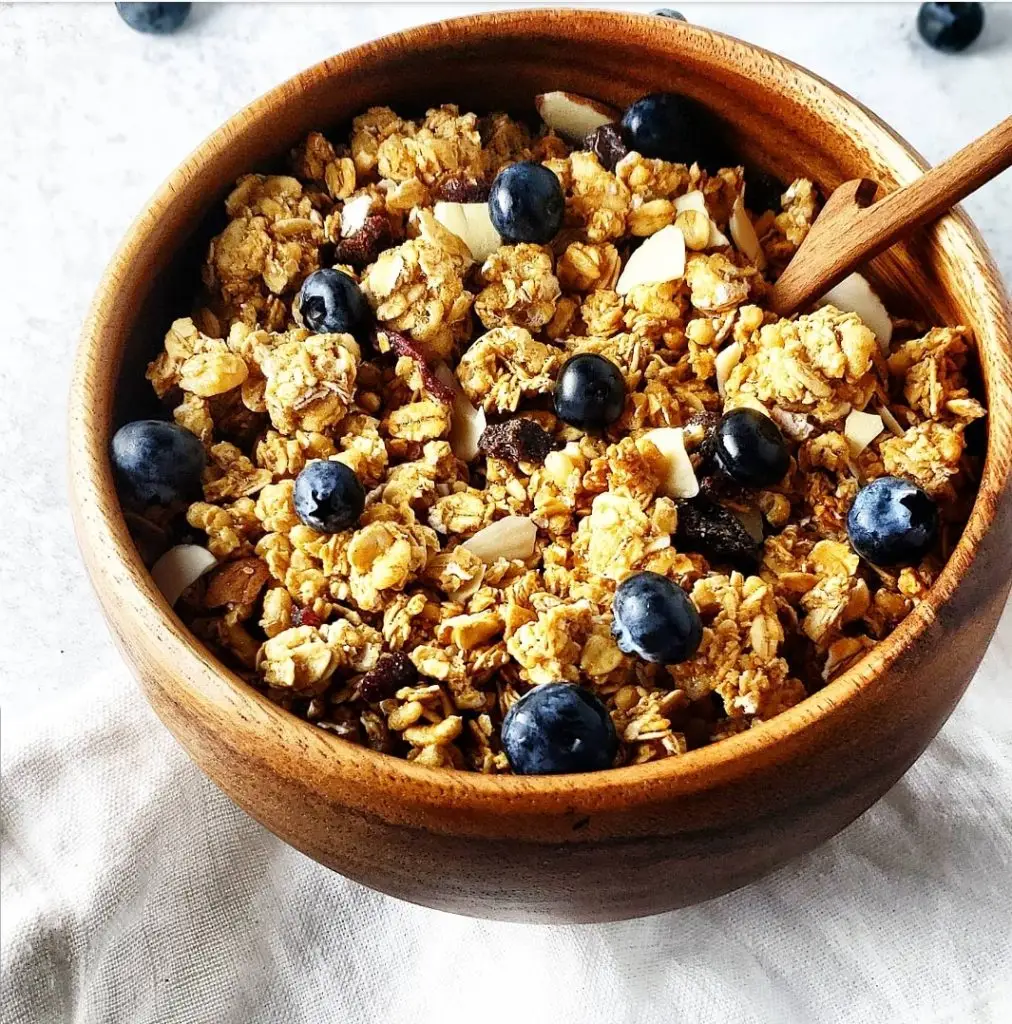
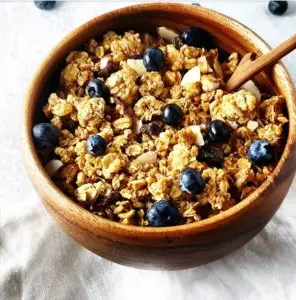
For baking substitutions, coconut oil replaces butter at a 1:1 ratio in most recipes, with the caveat that the resulting bake will have a slightly different texture. Coconut oil produces more tender, slightly crumbly results compared to butter’s chewier finish. The maple syrup pairing works particularly well in granola and snack bar recipes, where the coconut oil binds the dry ingredients and the maple sweetens without competing. For broader chocolate work that depends on coconut oil, including dipped truffles and homemade candy bars, the chocolate format and the oil quantity together determine whether the finished coating snaps, breaks, or stays soft.