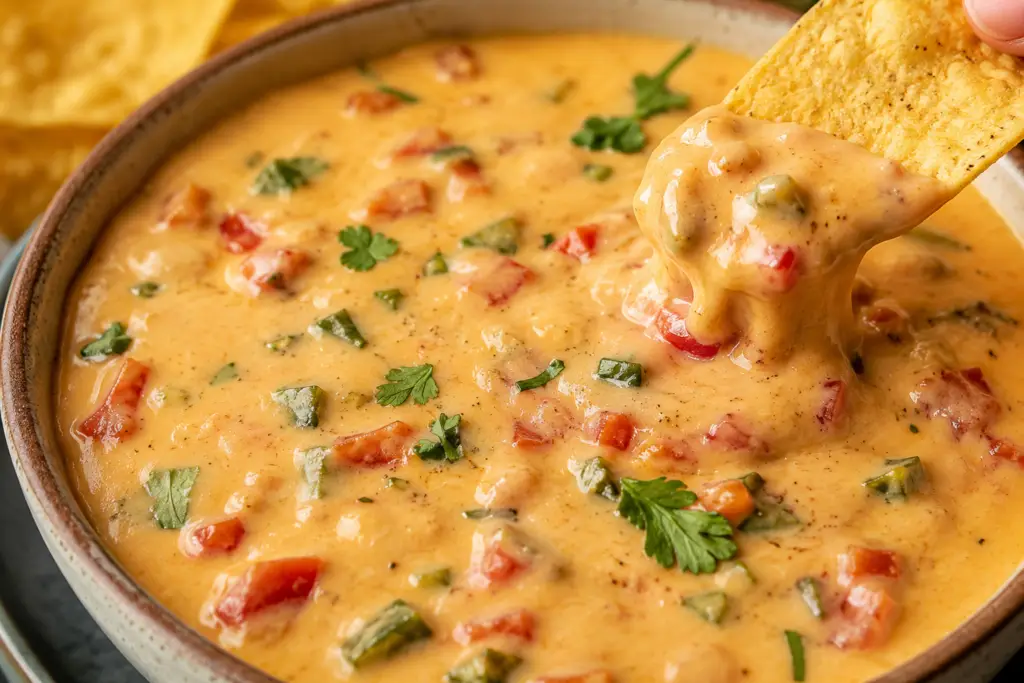
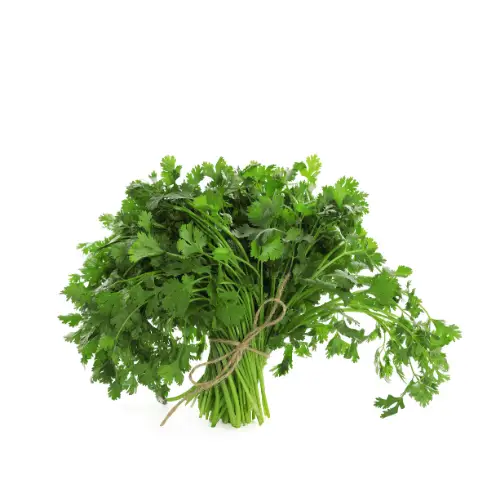
Cilantro is the fresh herb that needs to be added at the end of cooking, not the beginning. Heat destroys the volatile oils that give cilantro its citrusy bite, leaving a flat, almost grassy flavor if it goes in early. The right technique for most Mexican and Tex-Mex cooking is to build the dish with paprika, cumin, and the other dry spices in the pot, then stir in chopped cilantro after removing the pot from heat. The residual warmth softens the herb without cooking it.
For raw applications like salsas, guacamole, and dressings, cilantro is the dominant fresh ingredient and the recipe is built around it. The leaves and the upper tender stems are both edible and flavorful — discarding the stems wastes most of the herb’s punch. Chicken Taco Soup uses cilantro at both stages: chopped into the pot at the end for the cooked flavor, plus extra raw cilantro at the table as a finishing garnish that brightens the bowl.
The storage rule for cilantro is the most important detail most home cooks miss. The herb wilts and turns to slime within 48 hours if stored in the produce drawer. The right approach is to trim the bottom of the stems and stand the bunch in a glass of water in the fridge, covered loosely with a plastic bag. Stored this way, cilantro lasts 7-10 days instead of 2. White Chicken Chili also uses cilantro at the end of cooking, paired with oregano which is the dried herb counterpart that goes in at the start.
For the cooks who taste cilantro as soapy, the genetic explanation is real — a small percentage of people have a variant olfactory receptor that registers the aldehyde compounds in cilantro as soap-like. There is no fix for the perception, but parsley is the closest substitute that delivers the green brightness without the soapy taste. The same dishes that benefit from cilantro work with flat-leaf parsley plus an extra squeeze of lime to compensate for the citrus note cilantro normally provides. 10 Minute Crispy Chicken Tacos is forgiving on this swap, since the strong cumin and smoked paprika in the seasoning carry the dish even with the herb substitution.