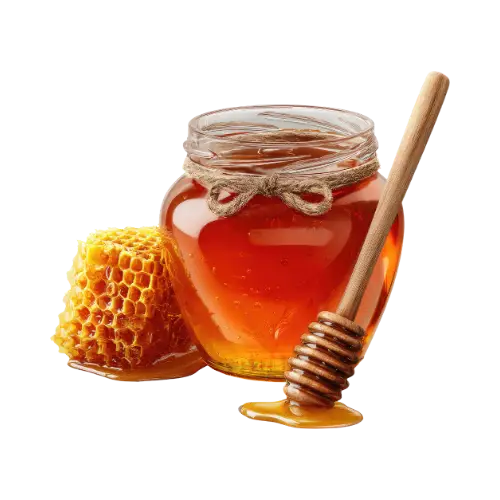
Honey is roughly the same sweetness as granulated sugar by volume but behaves differently because it is a liquid and slightly acidic. Substituting honey for sugar in a recipe means reducing the other liquids by 3 tablespoons per cup of honey and lowering the oven temperature by 25°F to prevent over-browning. The honey’s natural sugars caramelize at a lower temperature than granulated sugar, which is why honey bakes often look done before they actually are.
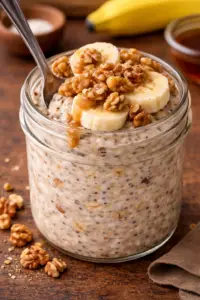
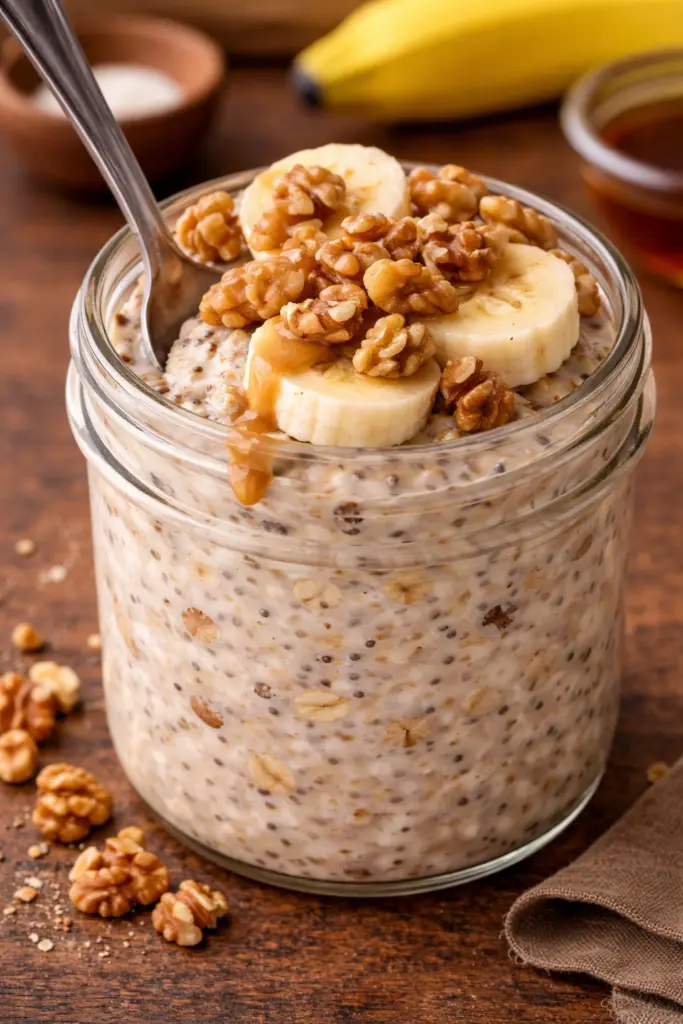
The flavor of honey varies dramatically by source — clover honey is mild and floral, buckwheat honey is dark and almost molasses-like, orange blossom honey is bright and citrus-forward. For most baking and sweet applications, mild clover or wildflower honey is the right default. For savory glazes and marinades, the stronger varieties bring more punch. Banana Bread Overnight Oats uses a mild honey to sweeten without overpowering the banana, while a savory glaze for chicken or pork benefits from a darker, more assertive honey.
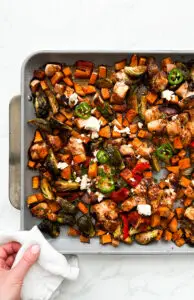
In savory cooking, honey serves a specific role that regular sugar cannot replicate: it balances salt and acid simultaneously. A tablespoon of honey in a vinaigrette mellows the vinegar without making the dressing taste sweet. The same tablespoon in a glaze for chicken creates the slight caramelization on the surface that distinguishes restaurant-style cooking from home cooking. Simple and Quick Sheet Pan Chicken uses this principle, with honey in the marinade contributing to the deep golden color that develops during the bake.
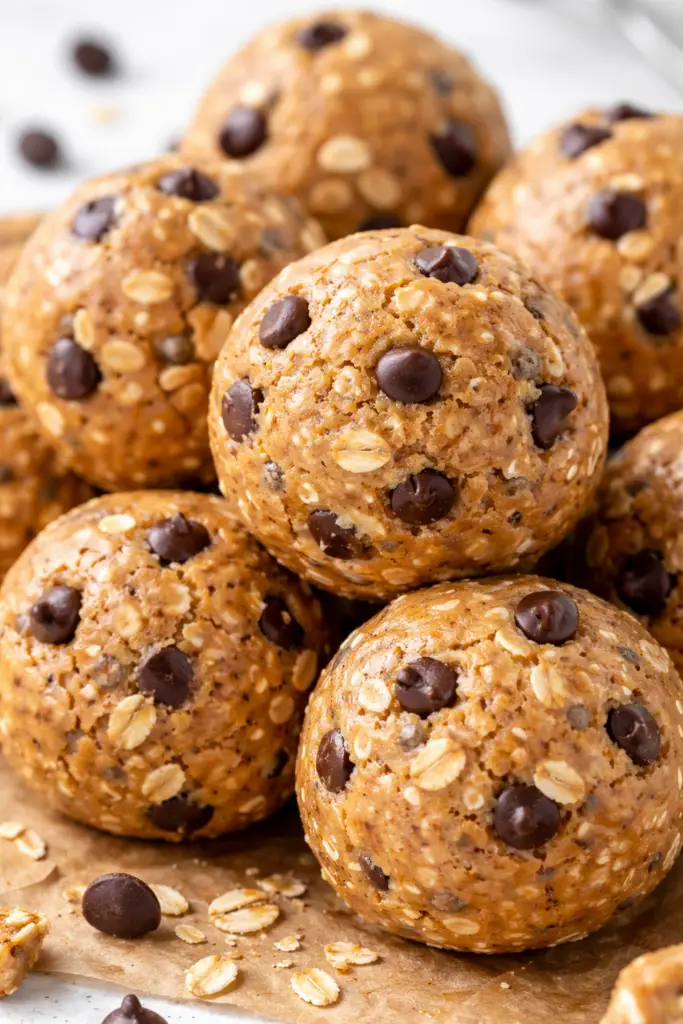
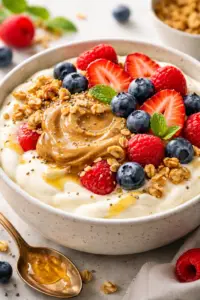
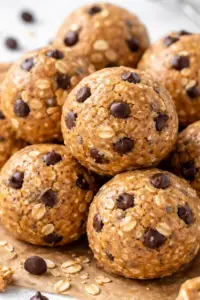
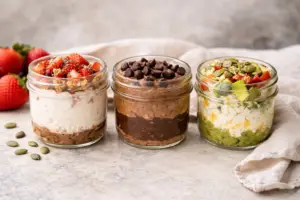
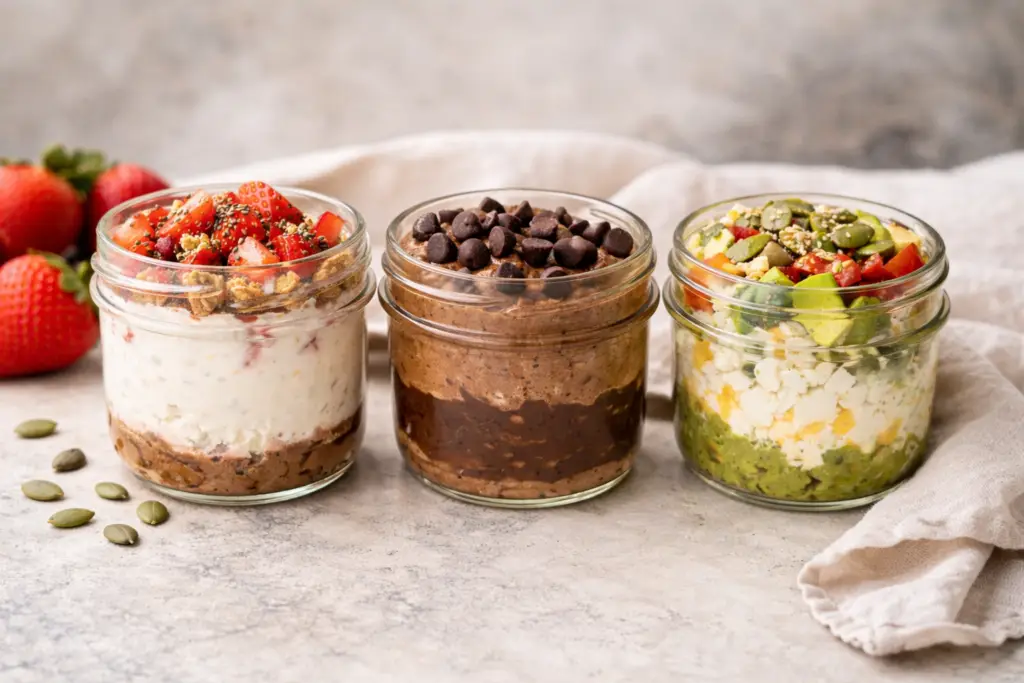
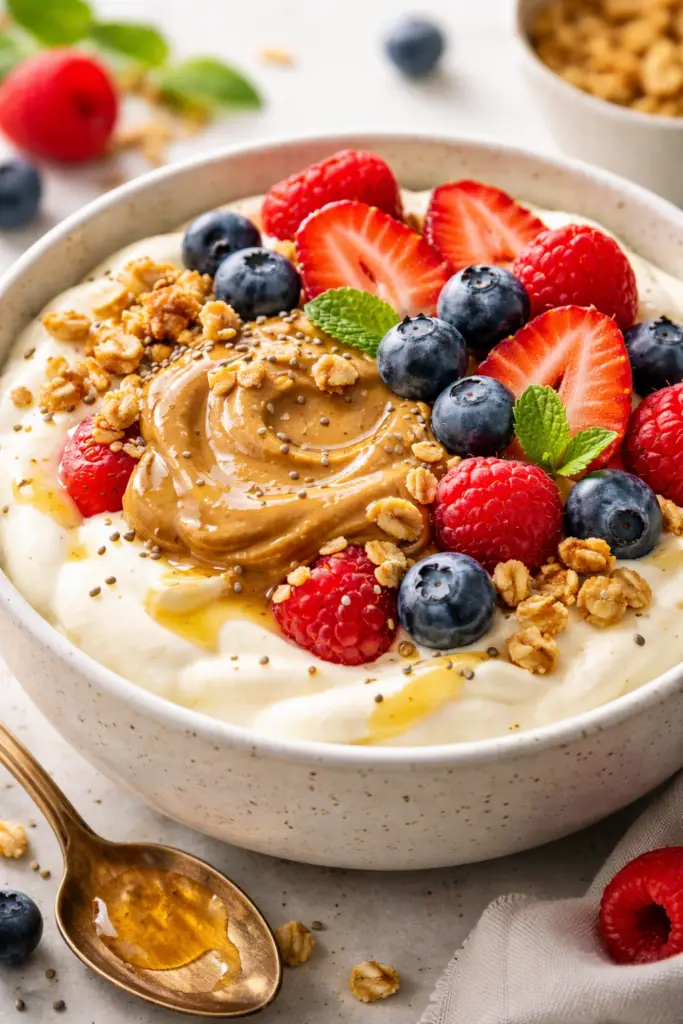
For breakfast and snack applications, honey holds an advantage over other liquid sweeteners in stickiness, which matters for binding no-bake balls, bars, and granolas together. Viral High Protein Cottage Cheese Breakfast Jars uses honey both for sweetness and to help the granola elements stick to the cottage cheese base rather than separating into the dish. The same binding logic underlies most no-bake meal-prep recipes that need to hold together for a week in the fridge.