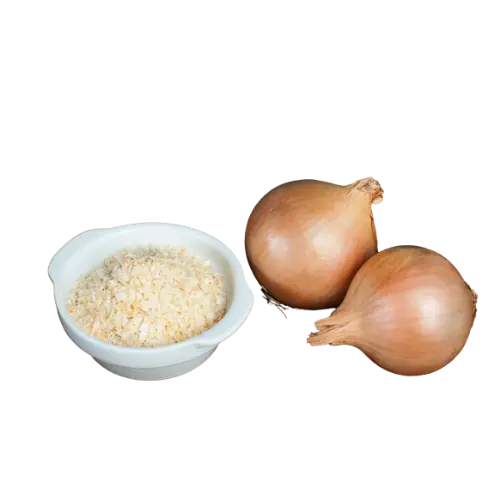
Onion powder is essentially dehydrated, finely ground onion. The drying concentrates the sugars, which is why onion powder tastes slightly sweeter than equivalent fresh onion. That concentrated sweetness is what makes it work in dry rubs — it caramelizes faster than fresh onion would in the same searing time, building deeper flavor on the surface of a protein.
For ground meat applications, onion powder is non-negotiable. Even very finely diced fresh onion creates pockets of texture and moisture pockets in a meatball or burger that do not distribute the way the powder does. Most recipes that work well use both — onion powder mixed into the meat for even seasoning, plus a small amount of fresh onion sautéed and cooled for moisture and texture variation. That two-form approach is the same principle that applies to kosher salt in meat seasoning, where coarse and fine forms serve different purposes in the same dish.
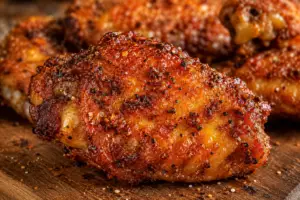
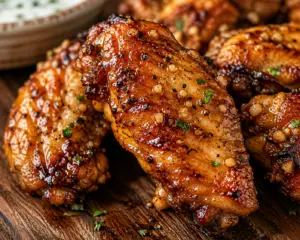
For spice-rub work, the standard ratio is equal parts onion powder, garlic powder, and paprika, with salt at roughly twice the volume of any single powder. That four-ingredient base produces a savory rub that works on chicken, pork, beef, and most fish. Halal Chicken and Rice builds on this base with additional warm spices like cumin, and Fried Chicken Wings uses the same base in the dredge with cornstarch added for crispness.
For sauces and dressings where the goal is onion flavor without onion texture, onion powder is the only option. A tablespoon dissolved into a salad dressing, a ranch sauce, or a marinade gives the same flavor as a quarter-cup of fresh onion without the chunks. Smoked Chicken uses onion powder both in the rub and in the brining liquid — the powder dissolves cleanly into the salt water and seasons the meat all the way through, which fresh onion in a brine cannot do because the volatile compounds are too large to penetrate the meat fibers.