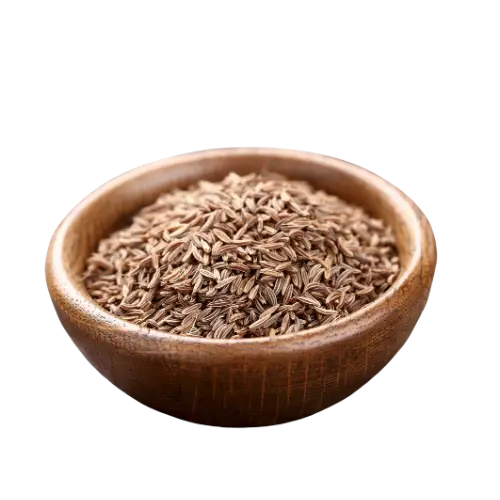
Cumin comes in two forms that produce different results. Whole cumin seeds are toasted in oil at the start of a cook to bloom the flavor before other ingredients go in — the technique is called tempering in Indian cooking and produces a smokier, more complex cumin presence. Ground cumin works in spice rubs, blends, and recipes where the cumin needs to distribute evenly through a batter or marinade. Both forms are useful; substituting one for the other rarely produces the same result. The same toasted-vs-ground distinction applies to smoked paprika and most warm spices.
For Mexican and Tex-Mex cooking, cumin is the spice that signals “Mexican” to most American eaters more than any single ingredient besides chili powder. The standard taco-seasoning blend is 1 tablespoon cumin, 1 tablespoon paprika, 1 teaspoon garlic powder, 1 teaspoon onion powder, 1 teaspoon oregano, and salt to taste. That five-spice base produces taco seasoning that is dramatically better than the packet versions and costs roughly a third as much. Chicken Taco Soup uses this base blend in the broth, where the cumin blooms during the long simmer.
For Middle Eastern cooking, cumin partners with coriander in roughly equal parts, plus cinnamon or allspice for the warm spice depth. The Lebanese seven-spice and the Moroccan ras el hanout both use this base. White Chicken Chili uses cumin without the heavy paprika partnership, which is what gives it a more Mediterranean-leaning flavor profile compared to a standard red chili. Pulling back the cumin and pushing up the warm spices shifts the dish even further toward shawarma or kebab territory without changing any other ingredient.
Freshness matters more for cumin than most home cooks realize. Ground cumin loses flavor within six months of opening; jars older than a year taste like dust. Buying whole seeds and grinding as needed extends the life dramatically, since whole seeds keep for two years in a sealed jar. A small electric coffee grinder dedicated to spices (not used for actual coffee) handles the grinding in 10 seconds. For broader spice blends that depend on cumin, including turmeric-forward curry blends and most North African mixes, the freshness rule applies equally — toast whole spices, grind fresh, and the difference is dramatic.