
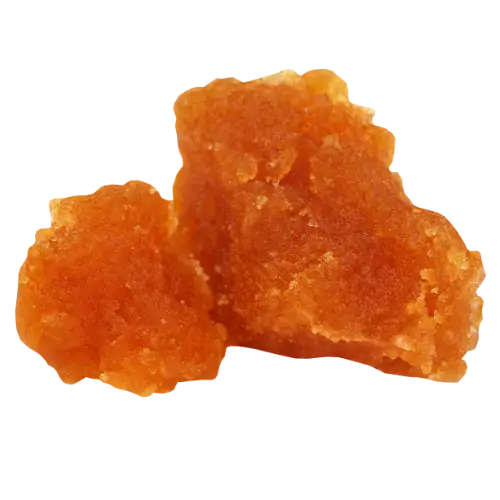
Molasses is the dark, viscous byproduct of sugar refining, with deep caramel, slightly bitter, and faintly smoky flavor notes. The sugars and acidity make it a structural ingredient in gingerbread, brown sugar, and many fall-spice bakes where you want flavor depth beyond plain sugar. A reader favorite built on it is Pumpkin Blondies where the molasses contributes the deep, slightly bitter caramel note that pairs with pumpkin spice and brown butter for authentic fall flavor.
Light, dark, and blackstrap molasses are three different products with different flavor intensities. Light molasses (the first boil during sugar refining) is the mildest, sweetest, and most common baking choice. Dark molasses (second boil) is deeper, less sweet, more bitter. Blackstrap (third boil) is the most concentrated, with strong bitter and mineral notes; it’s a nutrition supplement first and a baking ingredient distant second.
For most baking applications, light molasses or unsulphured molasses is the right choice. The 1-2 tablespoons in a typical batch contribute caramel depth without overwhelming the other flavors. Using dark or blackstrap molasses in a recipe that calls for plain molasses produces bitter, off-flavored results. Pairing with dark brown sugar (such as in The Best Homemade Sloppy Joe and The Best Cinnamon Rolls) in a recipe doubles down on the deep caramel flavor.
For brown sugar substitution, the relationship is direct: brown sugar is white sugar plus molasses. To make brown sugar from white: 1 cup granulated sugar (as in Lemon Raspberry Muffins and Eggless Chocolate Chip Cookies) + 1 tablespoon molasses = light brown sugar; 1 cup white sugar + 2 tablespoons molasses = dark brown sugar. This is useful when you have molasses but no brown sugar, or vice versa.
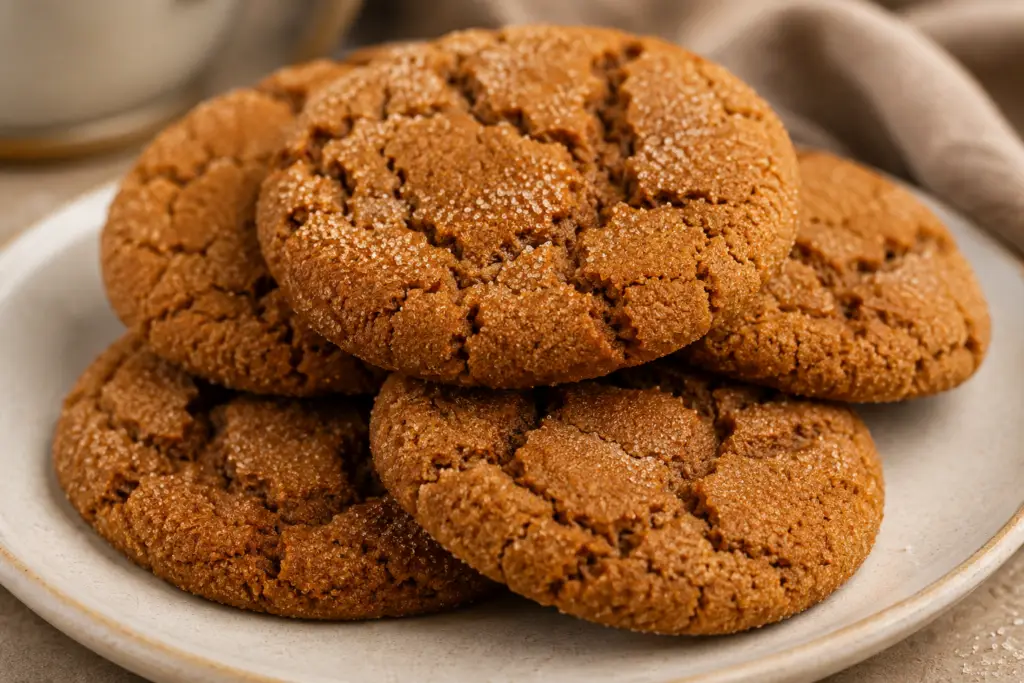
For gingerbread (the molasses-forward classic), the standard ratio is 1/2 cup molasses to 2.5 cups flour (used in Cottage Cheese Eggless Pancakes and Cottage Cheese Banana Bread). The acidity in molasses also reacts with baking soda (seen in Egg Free Cottage Cheese Muffins and Chocolate Chip Muffins) to produce additional rise, which is part of why gingerbread cookies puff slightly during baking. Pairs with ground cinnamon (such as in Simple and Quick Sheet Pan Chicken and Gluten Free Granola Clusters), cloves, and nutmeg.
For glazes on hams, ribs, and grilled meat, molasses brings depth that brown sugar alone cannot. The standard mix is 1/4 cup molasses + 1/4 cup brown sugar + 1/4 cup ketchup or tomato paste (as in Homemade Hamburger Helper and The Best Sheperds Pie) + 2 tablespoons mustard + spices, brushed on during the last 15 minutes of cooking. The sugars caramelize for the signature glossy, almost-burned finish. For storage, molasses keeps 12-24 months at room temperature in a sealed jar.
Molasses itself is not made from brown sugar, but you can mimic molasses flavor by mixing brown sugar with a small amount of water or adding extra molasses to white sugar to create brown sugar.
Molasses is used in baking cookies, cakes, and breads, as well as in marinades, sauces, and glazes. It adds sweetness, moisture, and a deep flavor to dishes.
You can substitute molasses with honey, maple syrup, dark corn syrup, or brown sugar depending on the recipe. Each will slightly change the flavor and texture.
Molasses is a thick syrup produced during the sugar-making process. It is made by boiling sugarcane or sugar beet juice and extracting sugar crystals, leaving behind a rich, dark liquid.
For more brown-sugar and fall-spice ingredient options, see our brown sugar and pumpkin recipes.