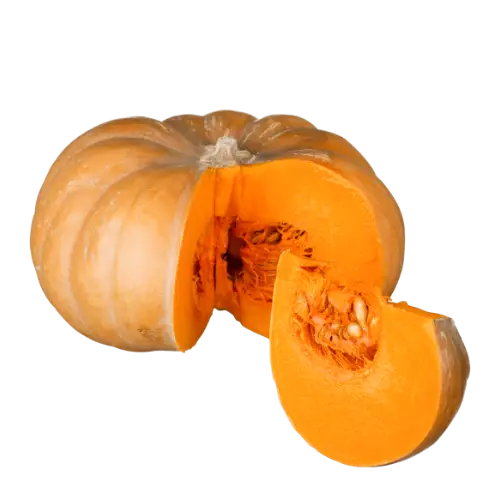
Pumpkin as a flavor (rather than as a literal squash) is mostly carried by the spice blend it cooks with. Plain pumpkin puree tastes vaguely earthy and neutral; what makes “pumpkin spice” recognizable is the combination of cinnamon, ginger, nutmeg, and clove that surrounds the puree. Recipes that get the spice blend right with weak puree still taste like fall; recipes with great puree but no spice blend taste like baby food. The spice does most of the work.
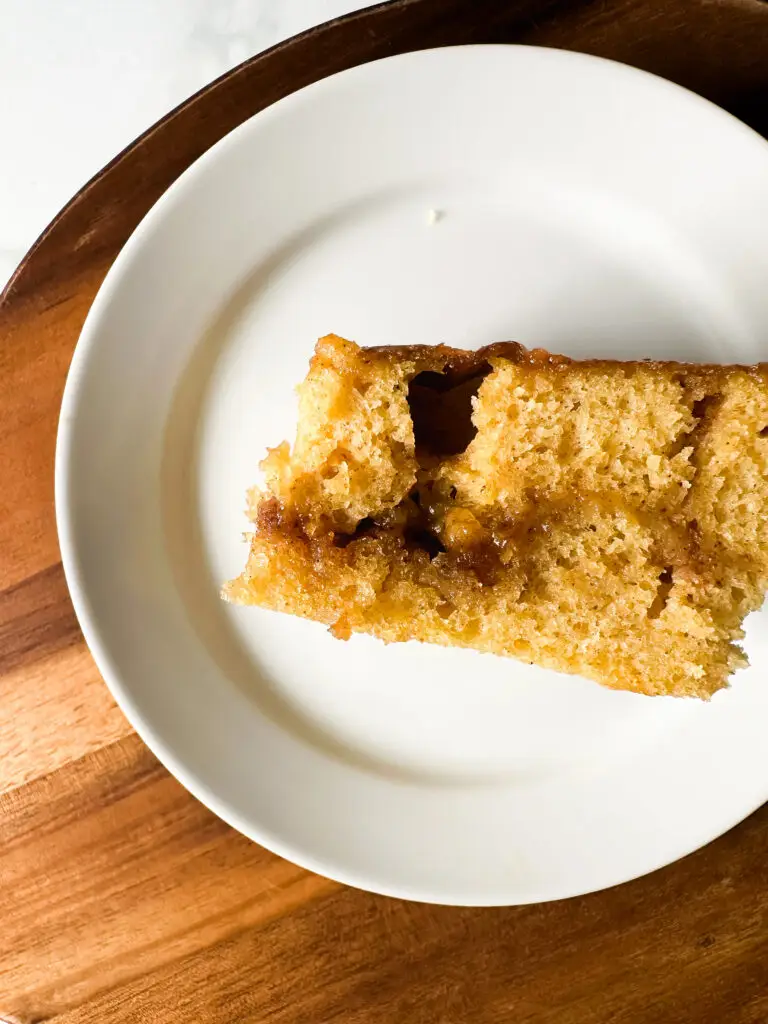
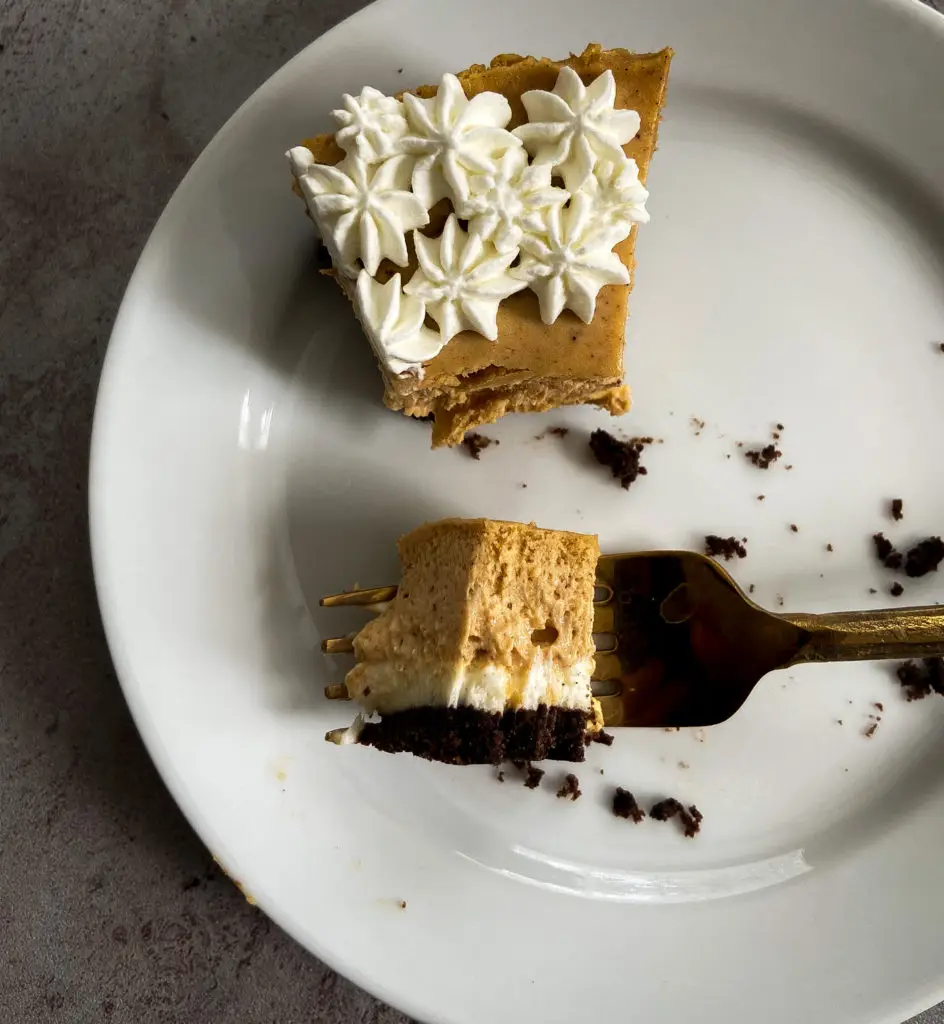
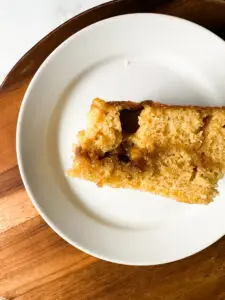
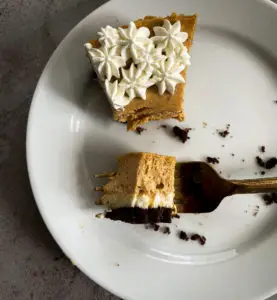
For dessert applications, pumpkin pairs with caramel, cream cheese, and warm bread textures more naturally than with chocolate. The Pumpkin Bars recipe demonstrates this — the pumpkin layer is cream-cheese-frosted, not chocolate-frosted, because the chocolate would compete with rather than complement the pumpkin flavor. The same logic explains why pumpkin pie wins over pumpkin chocolate pie in most home kitchens.
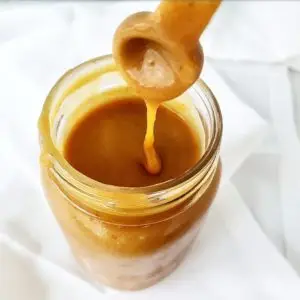
For sauces and finishing applications, pumpkin reduces into a thick, caramelized state that anchors fall desserts even when whole-pumpkin recipes feel like overkill. Homemade Pumpkin Caramel Sauce demonstrates the technique — pumpkin puree cooked down with brown sugar and cream produces a finishing sauce that drizzles over cheesecakes, ice cream, and waffles. The sauce keeps in the fridge for a week and elevates any fall dessert that needs a finishing touch.
For non-dessert pumpkin uses, the squash itself works in soups, risottos, and pasta sauces with completely different seasoning. Pull the pumpkin out of the fall-spice context and pair it with sage, brown butter, and Parmesan, and you have a savory ingredient that anchors Italian-style fall cooking instead of American-style. The same pumpkin puree from the can works in both contexts; only the spice and fat changes. dark brown sugar stays out of the savory version entirely, since the molasses sweetness would clash with the sage-and-brown-butter direction. That same separation principle applies to most fall ingredients that show up in both sweet and savory dishes — the spice profile and fat choices determine which cuisine direction the dish ends up in, regardless of what the central ingredient is.