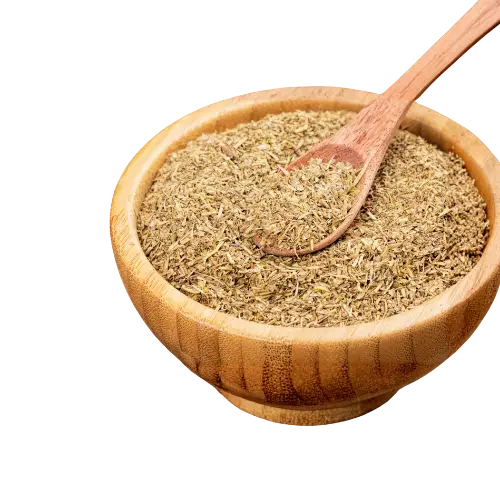
The standard Italian seasoning blend is 1 tablespoon each of dried oregano, basil, rosemary, thyme, and marjoram. Mix in a small jar, label, and it keeps for 6 months at full flavor. The pre-made grocery store versions cost roughly twice as much and have been sitting on shelves for unknown periods. For any recipe that calls for 1 tablespoon Italian seasoning, the homemade blend produces noticeably brighter flavor.
Italian seasoning differs from herbes de Provence (which adds lavender and sometimes fennel) and from Greek seasoning (which adds mint and lemon zest). The differences read clearly in finished dishes: Italian seasoning anchors red-sauce cooking, herbes de Provence anchors Southern French cooking, and Greek seasoning anchors lamb and feta-forward dishes. Using oregano alone (without the blend) produces a sharper, more pizza-leaning result. Useful when oregano is the dominant note you want.
For pizza sauce specifically, Italian seasoning goes into the tomato base alongside garlic and a pinch of sugar to balance the acid. The seasoning amount depends on whether you’re using fresh garlic (less needed. The garlic is the dominant note) or garlic powder (more needed. The dried herbs lift the powder). A standard pizza sauce for one 12-inch pizza uses 2 teaspoons Italian seasoning, 2 cloves garlic, 1 can crushed tomatoes, salt, and a pinch of sugar.
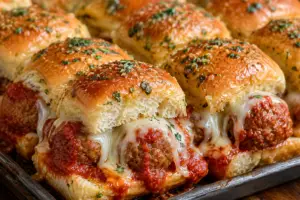
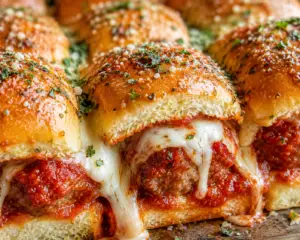
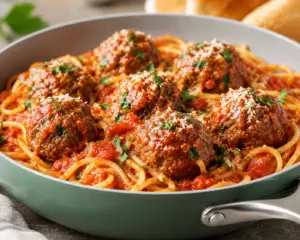
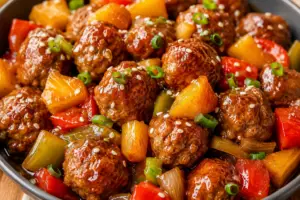
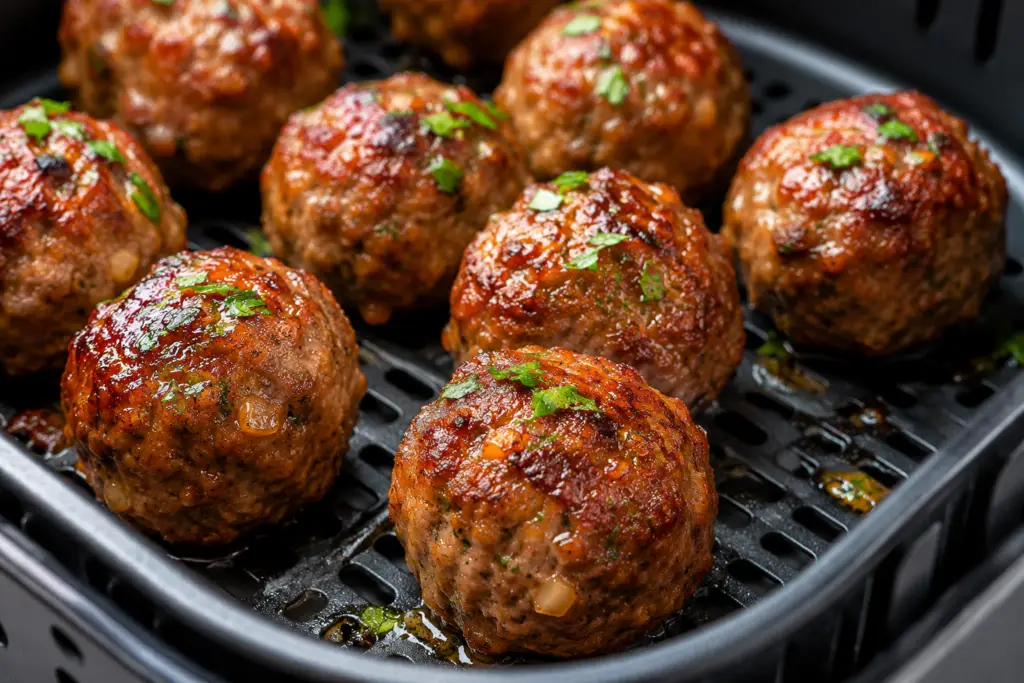
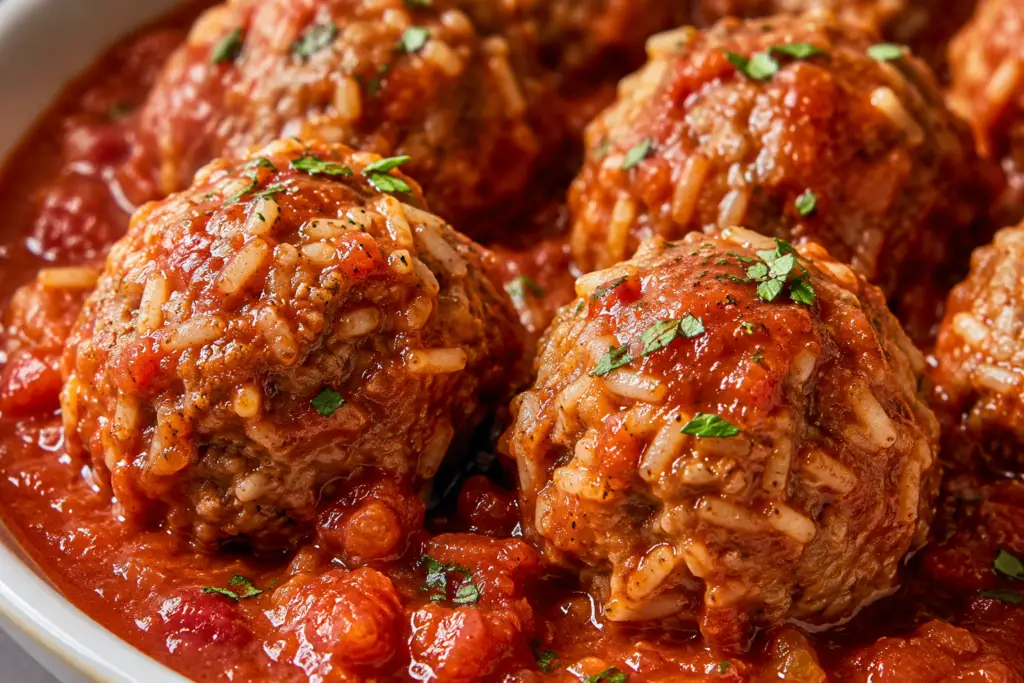
For meatballs, the blend goes directly into the ground meat mixture along with breadcrumbs, egg, parmesan, and salt. The amount varies by meat type. Ground beef needs more seasoning to balance the fat; ground turkey needs less since the meat is leaner. parmesan cheese grated into the mix doubles as both binder and flavor. For more on the broader pizza-and-pasta seasoning approach, the paprika and red pepper flakes that often round out Italian-American spice racks complete the savory baseline. On the site, recipes featuring this ingredient often appear alongside rosemary and thyme.