Oregano is one of the rare herbs where dried outperforms fresh in most applications – the opposite of how rosemary and most fresh herbs work. Fresh oregano tastes grassy and almost mint-like; dried oregano tastes warm, slightly peppery, and unmistakably “Italian” or “Greek” depending on the variety. The drying intensifies the oils and concentrates the flavor. The substitution rule when a recipe specifies dried is to use 1 teaspoon dried for every 1 tablespoon fresh, but most home cooks should default to dried in oregano-forward dishes regardless.
The variety matters. Mediterranean oregano (the standard grocery store version) is milder and pairs with tomato-based Italian cooking. Mexican oregano is a different plant entirely (more closely related to lemon verbena than to true oregano) and brings citrus notes that work in chili, tacos, and Latin-style dishes. Greek oregano (rigani) is the most assertive of the true oreganos and stands up to long braises and grilled meats. Chicken Marbella uses Mediterranean oregano in the marinade where the flavor needs to penetrate the chicken over the long overnight rest.
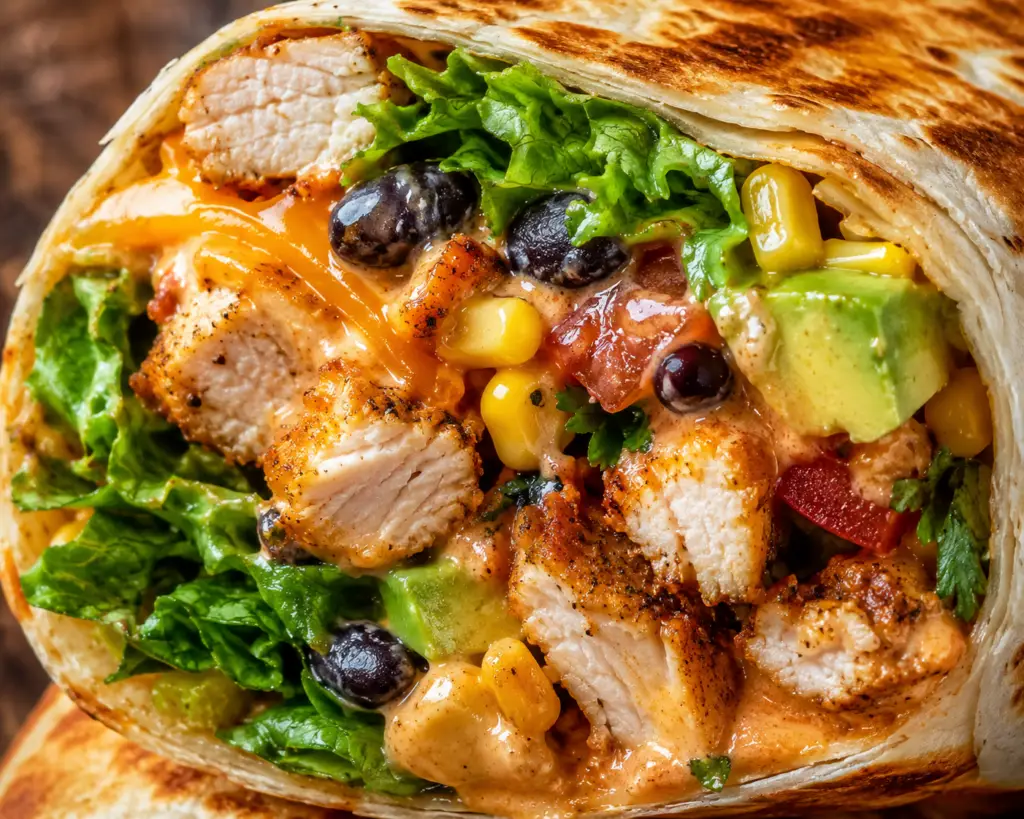
For dry rubs and spice blends, oregano is a base layer in Cajun, Creole, Italian, Greek, and Mexican blends. The standard “Italian seasoning” jar at the store is roughly oregano, parsley, basil, and Italian seasoning-style mix of warm herbs. Making this blend fresh at home produces dramatically better results – the standard ratio is 2 parts oregano to 1 part each of basil, parsley, and thyme. Homemade Chicken Fries uses oregano in the breading rather than the dredge, where the dried herb does not burn but contributes flavor as the chicken bakes.
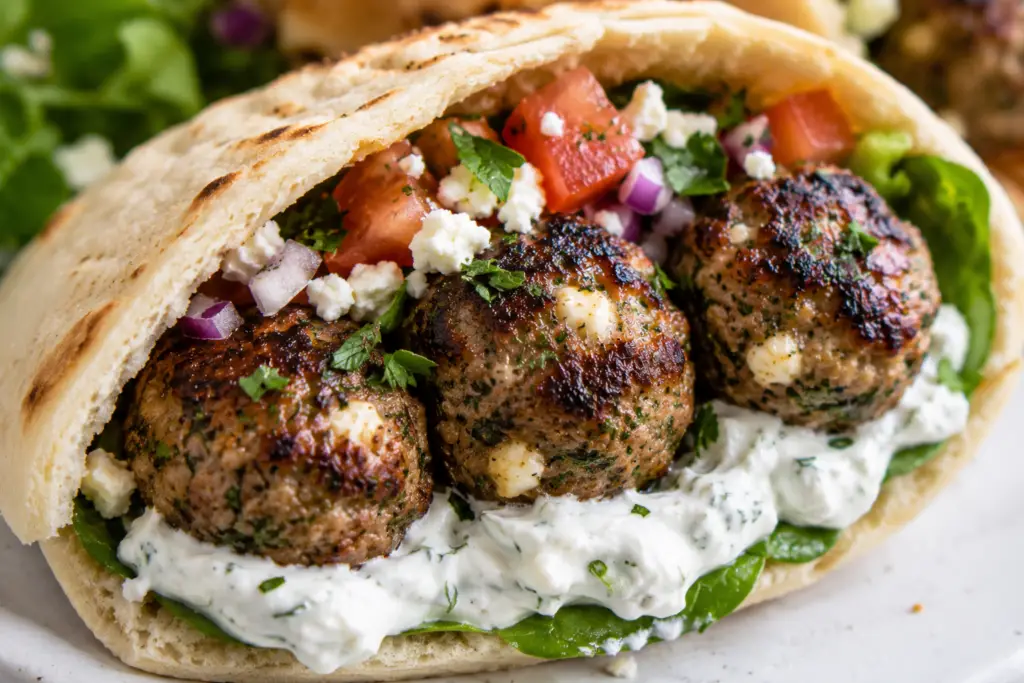
For pizza, pasta sauces, and tomato-based dishes, oregano is the dried herb that defines the flavor profile. A teaspoon of dried oregano in a tomato sauce signals “Italian” to American eaters more than any other single seasoning. The same teaspoon in a Greek lamb dish reads as “Greek” because the surrounding ingredients (lemon, olive oil, lamb) carry the cultural context. The herb is the same; the cuisine direction is determined by what cooks alongside. Adding fresh basil pushes the dish toward Italian; adding lemon and yogurt pushes it toward Greek.