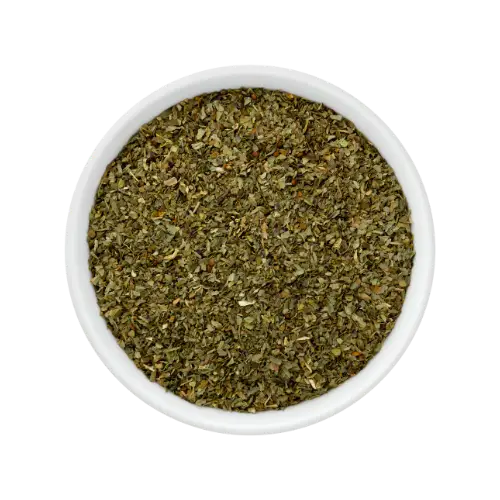
Dried basil and fresh basil are not interchangeable in most recipes. Dried basil has a flatter, more concentrated, slightly menthol-leaning flavor. Fresh basil has the bright, peppery, sweet flavor that defines summer Italian cooking. The substitution rule is 1 teaspoon dried per 1 tablespoon fresh, but the result reads as ‘cooked basil flavor’ rather than ‘fresh basil flavor.’ For pesto and caprese, fresh is the only correct choice.
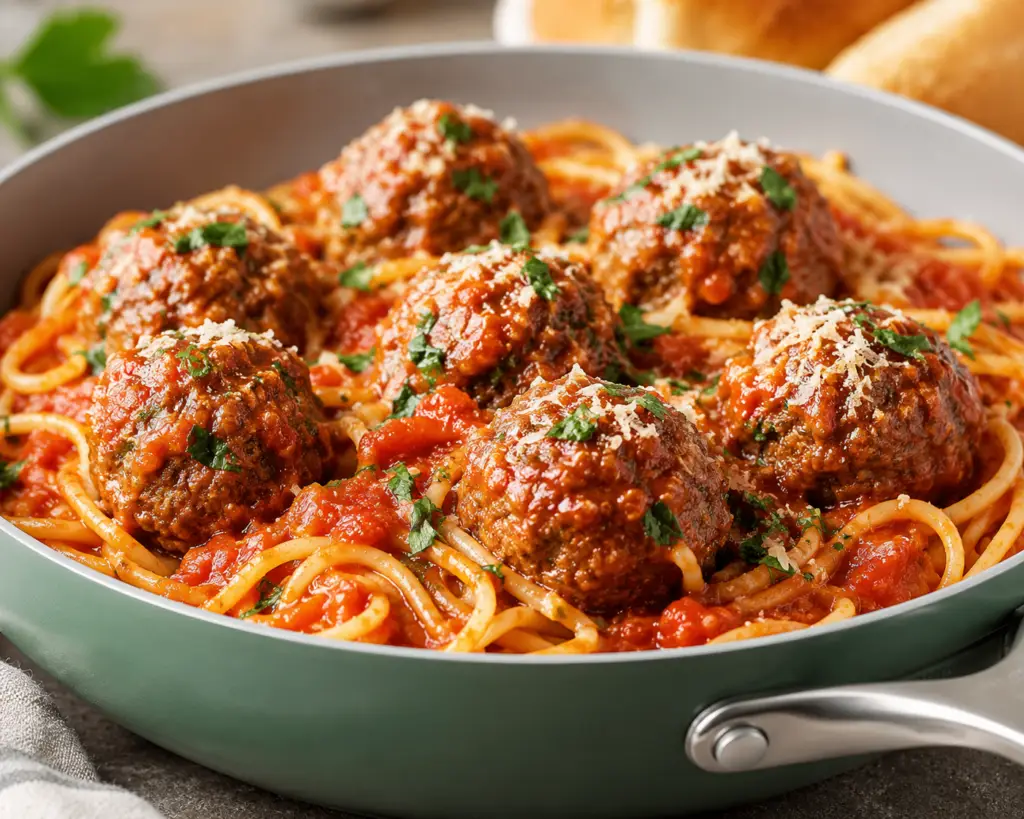
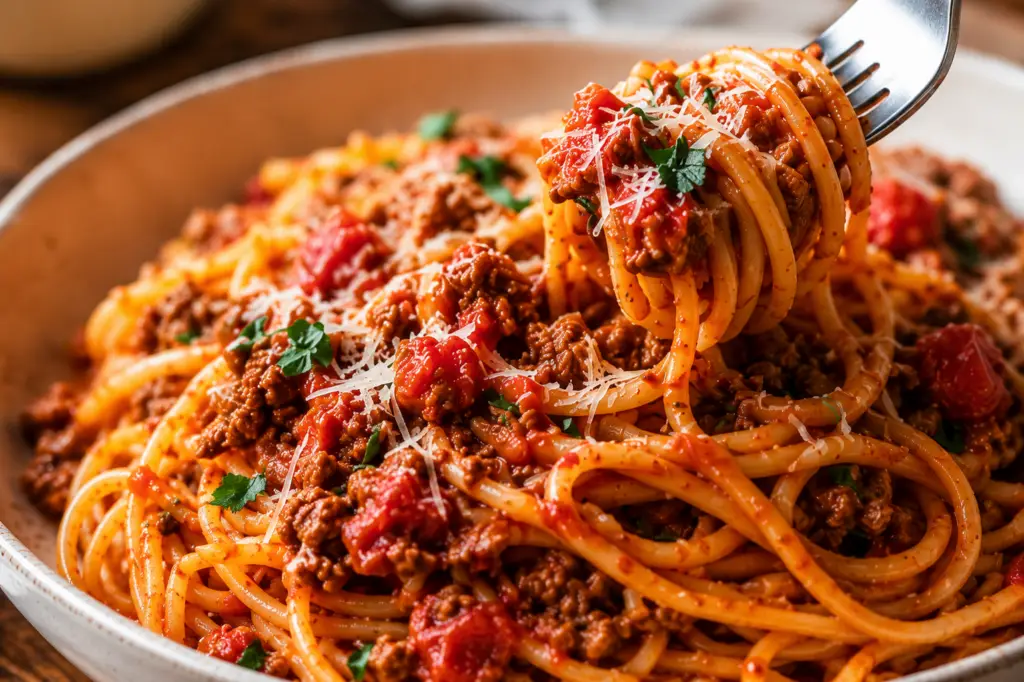
For long-cooked tomato sauces (marinara that simmers 30-60 minutes), dried basil produces results similar to fresh because the long heat would denature fresh basil’s volatile oils anyway. The dried version goes in at the start of the cook; if using fresh, add it in the last 5 minutes for the best flavor preservation. dried oregano alongside dried basil is the foundational Italian-American sauce flavor profile.
For homemade Italian seasoning, the standard blend is 1 tablespoon each dried basil, dried oregano, rosemary, thyme, and marjoram. Mix in a small jar; keeps 6 months at full flavor. This blend goes into pizza sauce, meatballs, baked chicken, and most Italian-American cooking. The homemade version tastes dramatically brighter than store-bought because the dried herbs are fresher.
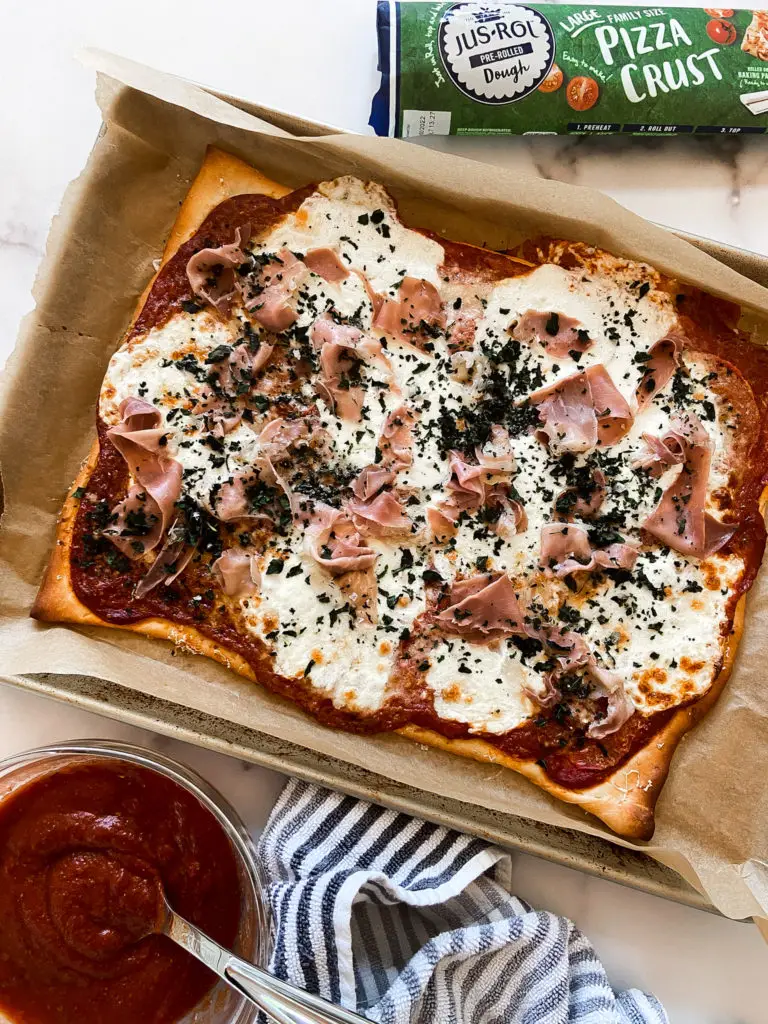
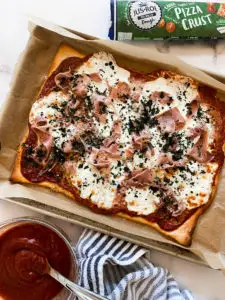
For pizza dough seasoning, 1 teaspoon dried basil mixed into the dry ingredients along with garlic powder and salt produces a noticeably more flavorful crust than plain dough. The basil rehydrates during the rise and bake, distributing flavor throughout. garlic powder amplifies the savory profile alongside the basil. For storage, dried basil keeps 1-2 years in a sealed jar in a dark pantry. The flavor weakens after 6-12 months but remains usable. Other reader picks that build on dried basil include Perfect Homemade Marinara Sauce and Easy Homemade Pizza Sauce. Browse dried oregano, thyme, and salt for closely related cooking applications.