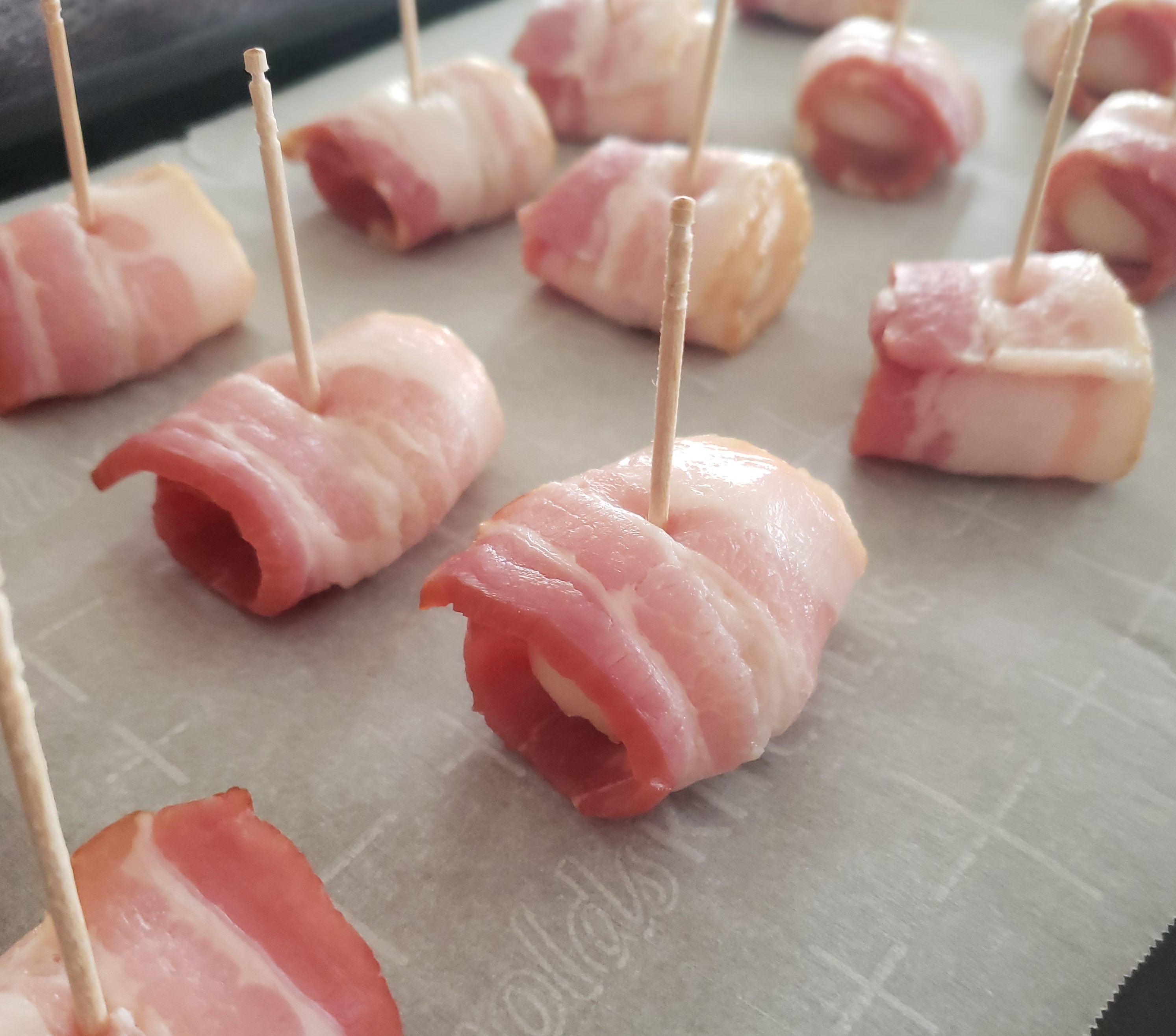
Bacon’s flavor comes from two things: the cure (salt plus sugar plus nitrite) and the smoke (applewood, hickory, or cherry are most common). Standard grocery store bacon is wet-cured and lightly smoked, which produces consistent results. Artisan bacon from a butcher is often dry-cured and heavily smoked, which produces deeper, more complex flavor at higher cost. Pairing bacon with kosher salt in dry rubs is rarely needed. The bacon brings enough salt already.
For cooking, the right technique depends on the bacon’s purpose. Crispy strips need an oven (425°F, 18-20 minutes on a parchment-lined sheet pan) or a cold skillet started on medium heat. Both methods render fat slowly and produce evenly crisp results. Pan-frying over high heat from cold burns the bacon before the fat renders, leaving chewy-yet-burnt pieces. olive oil is not needed in any bacon application; the bacon’s own fat is more than enough.
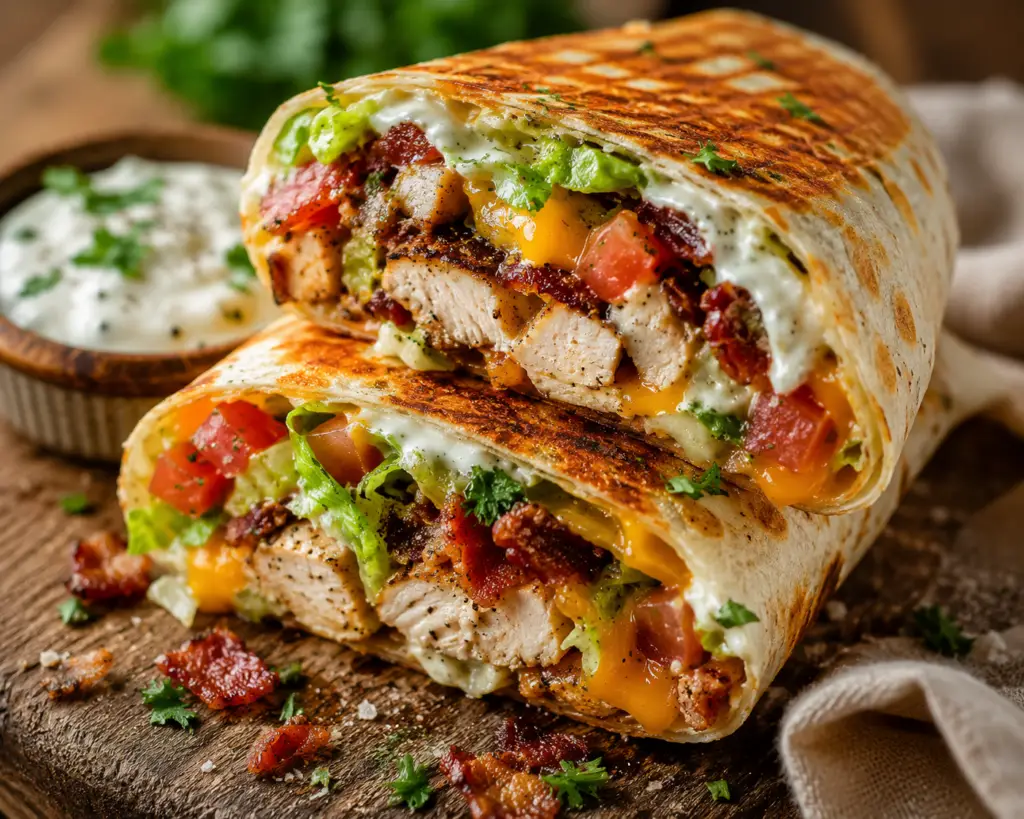
For chopped or crumbled bacon in salads, baked potatoes, and dressings, the technique is the same: cook the bacon, drain on paper towels, then chop. Reserve the rendered fat for cooking eggs, sautéing vegetables, or making bacon vinaigrette. eggs cooked in bacon fat take on the smoky flavor, which is what makes diner-style breakfasts taste different from the home version. sour cream in loaded baked potato applications pairs particularly well with crispy bacon crumbles. Healthy Slow Cooker Crack Chicken uses crumbled bacon to add smoky depth to the slow-cooker chicken-and-cream-cheese mixture, demonstrating how chopped bacon works as a topping that finishes the dish rather than as the lead protein. On the site, recipes featuring this ingredient often appear alongside kosher salt, black pepper, and garlic.
For storage, raw bacon keeps 7-10 days in the fridge after opening and 6 months in the freezer (wrapped tightly in plastic and foil). Cooked bacon keeps 5 days in the fridge in an airtight container, and reheats best in a 350°F oven for 3-4 minutes rather than the microwave (which makes it rubbery). The parmesan cheese pairing on bacon-topped pasta dishes is the Italian-American take that turns a simple bowl into an indulgent weeknight dinner.