High-protein baking is a way to add more protein to familiar treats such as muffins, cookies, brownies, pancakes, snack bars, and quick breads. It usually involves adding protein-rich ingredients or replacing part of the flour, sugar, or fat with foods such as Greek yogurt, cottage cheese, eggs, nut butter, or protein powder.
The goal is not to turn every dessert into a fitness food. It is simply a way to make baked goods more filling while still keeping the flavors and textures you enjoy.
If you are new to baking with protein, the process can feel unpredictable. Protein powder absorbs liquid differently from flour. Greek yogurt adds moisture but can make a batter heavy. Cottage cheese works well in many recipes, but it usually needs to be blended first.
Once you understand how these ingredients behave, high-protein baking becomes much easier. This beginner’s guide covers the best protein-rich baking ingredients, simple substitutions, common mistakes, storage tips, and ways to keep healthier sweets soft and flavorful.
What Is High-Protein Baking?
High-protein baking means preparing baked goods with more protein than a traditional version of the same recipe. There is no single amount that officially makes a recipe “high protein,” so the term can mean different things depending on the serving size and ingredients.
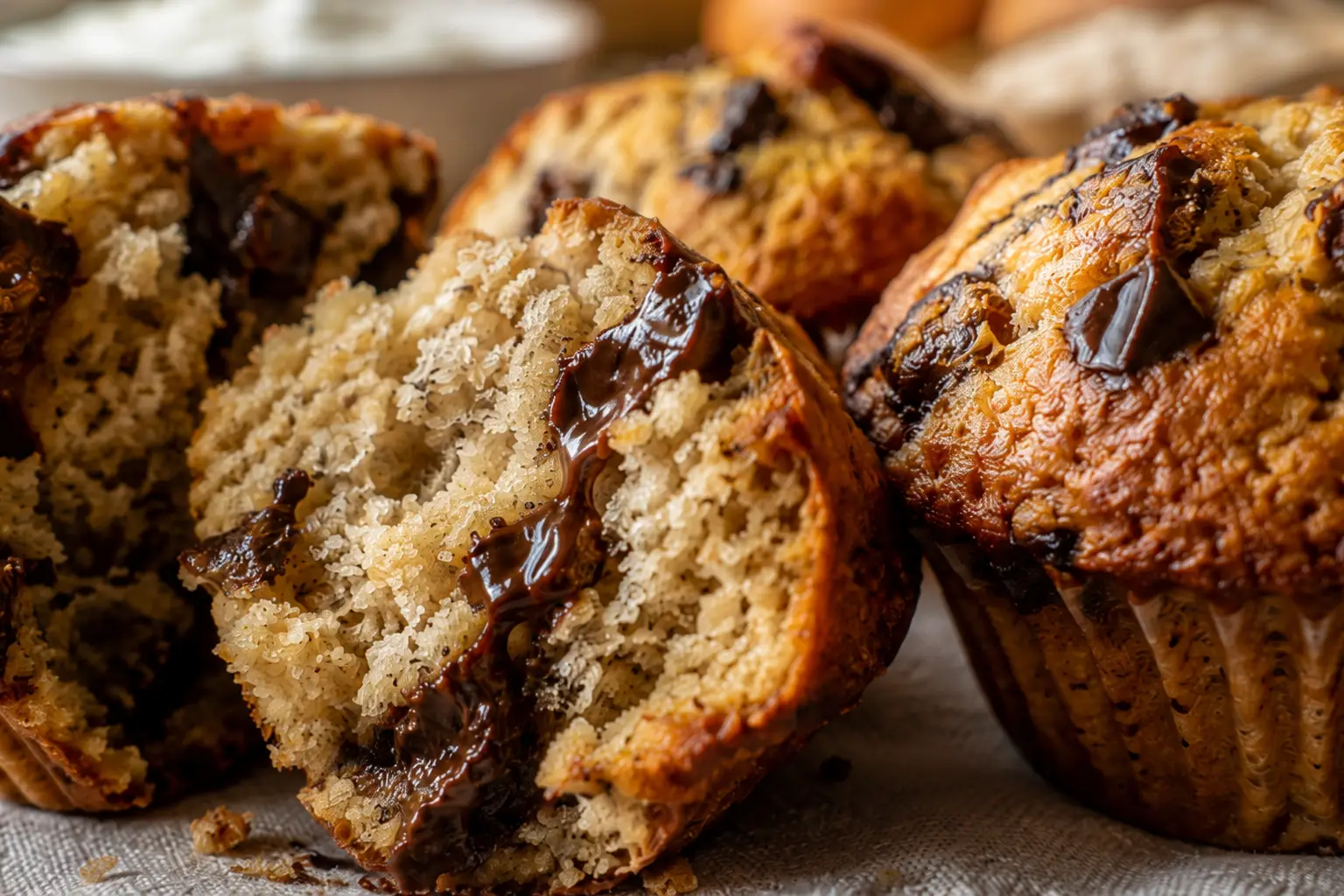
A regular muffin may contain 3 to 5 grams of protein. A high-protein muffin might contain 8 to 15 grams per serving. A standard brownie may contain only a few grams, while a brownie made with eggs, Greek yogurt, nut butter, and protein powder may contain much more.
The added protein can come from:
- Protein powder
- Greek yogurt
- Cottage cheese
- Eggs and egg whites
- Nut and seed butters
- Ground nuts
- Almond flour
- Oat flour
- Milk or soy milk
- Powdered peanut butter
- Beans and chickpeas
Some recipes use one protein-rich ingredient, while others combine several. The best approach depends on what you are baking and the texture you want.
Is High-Protein Baking Healthier?
High-protein sweets can be a more filling choice because protein takes longer to digest than simple carbohydrates alone. Pairing protein with carbohydrates may also help a snack feel more satisfying.
However, adding protein powder does not automatically make a dessert healthy. The full ingredient list still matters. A cookie can contain extra protein and still have plenty of sugar, butter, or calories.
“Healthier” also means something different for each person. Some people want a filling breakfast muffin. Others want a post-workout snack, a lower-sugar dessert, or an easy way to add more protein to their day.
A balanced high-protein baked good may include:
- A dependable source of protein
- Fiber from oats, fruit, nuts, or whole grains
- Enough fat to create a pleasant texture
- A moderate amount of added sugar
- A serving size that fits your needs
You do not have to remove every traditional baking ingredient. Flour, sugar, and butter all serve a purpose. The best high-protein recipes use thoughtful changes that keep the food enjoyable.
Why Bake with More Protein?
Protein is best known for helping build and repair body tissue, but it also helps meals and snacks feel satisfying. Adding protein to baked goods can be useful when you need something convenient but do not want to feel hungry again shortly afterward.
High-protein baking may be helpful for:
- Quick breakfasts
- Afternoon snacks
- Post-workout food
- Busy school mornings
- Meal-prep snacks
- Desserts with a little more staying power
- Using up Greek yogurt or cottage cheese
It can also add variety to your regular baking routine. Cottage cheese can create a creamy cheesecake-style filling. Greek yogurt can make muffins soft. Nut butter adds richness to cookies and bars. Protein powder can add flavor as well as protein.
The Best Ingredients for High-Protein Baking
Different protein ingredients affect baked goods in different ways. Some provide moisture, while others absorb it. Knowing what each ingredient does will help you avoid dry cookies, rubbery muffins, and gummy bread.
- Protein Powder
Protein powder is one of the easiest ways to raise the protein in a recipe, but it is not a direct replacement for all-purpose flour.
Most beginners get the best results by replacing only 15 to 25 percent of the flour with protein powder. For example, if a recipe uses 1 cup of flour, you might begin with 3/4 cup flour and 1/4 cup protein powder.
Replacing all the flour usually leads to a dry, dense, or rubbery texture unless the recipe was written specifically for protein powder.
Common types include whey, casein, plant-based blends, pea protein, soy protein, and collagen peptides. Each one behaves differently.
- Whey Protein Powder
Whey protein mixes easily and works well in pancakes, muffins, snack cakes, and some cookies. It can dry out quickly when overbaked, so watch the baking time closely.
Whey also tends to make baked goods firm after cooling. Ingredients such as Greek yogurt, mashed banana, pumpkin, applesauce, or nut butter can help keep the crumb soft.
- Casein Protein Powder
Casein absorbs more liquid than whey and creates a thicker batter. It can work well in brownies, cheesecakes, and soft baked snacks.
If your batter becomes unusually thick, add milk one tablespoon at a time. Avoid pouring in too much liquid at once because the batter may loosen as it rests.
- Whey and Casein Blends
A blended powder can offer a softer and more balanced texture than using whey alone. Many powders made for baking contain both whey and casein for this reason.
Blends are often a good starting point for beginners because they tend to work in muffins, cakes, brownies, and cookies.
- Plant-Based Protein Powder
Plant-based protein powders may contain pea, rice, hemp, soy, pumpkin seed, or a mixture of several proteins.
These powders often absorb more moisture and may have a stronger flavor than whey. They work best when paired with moist ingredients and bold flavors such as chocolate, peanut butter, banana, pumpkin, cinnamon, or coffee.
You may need a little more milk or yogurt when baking with a vegan protein powder.
- Collagen Peptides
Collagen dissolves easily and can be added to some batters without greatly changing the flavor. However, it does not behave like flour and does not provide the same structure.
Collagen works best as an addition rather than a large flour replacement. It may be mixed into muffins, pancakes, snack bars, oatmeal cups, or quick breads.
- Greek Yogurt
Greek yogurt adds protein, moisture, and a slight tang. It works well in:
- Muffins
- Quick breads
- Pancakes
- Cheesecake-style desserts
- Snack cakes
- Brownies
- Frostings and glazes
Depending on the recipe, Greek yogurt may replace part of the oil, butter, sour cream, or milk. Full-fat and reduced-fat versions usually give softer results than fat-free yogurt.
Do not remove all the fat from a recipe unless it was written that way. A small amount of fat helps with flavor, tenderness, and moisture. - Cottage Cheese
Cottage cheese has become popular in high-protein baking because it contains protein and blends into a smooth, creamy base.
For the best texture, blend cottage cheese until no curds remain. It can then be added to:
- Cheesecake
- Muffins
- Pancakes
- Protein brownies
- Egg bites
- Breakfast cakes
- Baked oatmeal
- Frosting-style toppings
Small-curd cottage cheese is easy to blend, but any variety can work. Full-fat cottage cheese usually creates the richest texture, while low-fat cottage cheese may produce a lighter result. - Eggs and Egg Whites
Eggs provide protein, structure, moisture, and richness. Whole eggs also contain fat from the yolks, which helps keep baked goods tender.
Egg whites add protein with very little fat, but using too many can make muffins, pancakes, and cakes rubbery. A mixture of whole eggs and egg whites often gives better results.
For example, instead of using four egg whites, try two whole eggs and one or two egg whites. This keeps some richness while adding more protein.
- Nut and Seed Butters
Peanut butter, almond butter, cashew butter, sunflower seed butter, and tahini contain protein and fat. They work especially well in cookies, brownies, energy bars, snack cakes, and no-flour baked goods.
Because nut butter is rich and dense, it can replace part of the butter or oil in some recipes. It also pairs well with chocolate, banana, oats, and berries.
Use a well-stirred nut butter for consistent results. Natural nut butter with separated oil can make the batter greasy if it is not mixed thoroughly.
- Powdered Peanut Butter
Powdered peanut butter contains less fat than traditional peanut butter and can add peanut flavor and protein to pancakes, muffins, cookies, or frosting.
Since it absorbs moisture, it should not always replace regular peanut butter in equal amounts. It often works better when combined with Greek yogurt, milk, mashed banana, or a small amount of traditional peanut butter.
- Almond Flour
Almond flour contains more protein and fat than all-purpose flour. It creates a moist, tender texture and works well in cookies, muffins, cakes, and bars.
It does not contain gluten, so it cannot always replace wheat flour cup for cup. Recipes made entirely with almond flour usually need extra eggs or another binding ingredient.
Almond flour is also more calorie-dense than wheat flour. It can be a nutritious ingredient, but portion size still matters if calories are part of your goal.
- Oat Flour
Oat flour contains some protein and fiber and has a mild flavor. You can buy it or make it by blending rolled oats into a fine powder.
It works well in muffins, pancakes, quick breads, snack cakes, and cookies. Oat flour absorbs liquid as the batter rests, so a mixture may thicken after five or ten minutes.
Certified gluten-free oats should be used when preparing food for someone who must avoid gluten.
- Beans and Chickpeas
Black beans, white beans, and chickpeas can be blended into brownies, blondies, cookies, and snack bars. They add protein, fiber, and moisture.
Rinse canned beans well and blend them until completely smooth. Chocolate, vanilla, peanut butter, cinnamon, and maple syrup can help balance any mild bean flavor.
Bean-based batters often look softer than traditional batters. Allow the finished dessert to cool before slicing so it has time to set.
How Protein Changes the Texture of Baked Goods
Traditional baking depends on a balance of flour, fat, sugar, eggs, and liquid. Changing one ingredient affects the others.
Protein powder is especially thirsty. It absorbs liquid, firms during baking, and may continue to dry as the food cools. This is why a protein muffin can seem soft when it leaves the oven but become dry an hour later.
Added protein can make baked goods:
- Firmer
- Denser
- Chewier
- Drier
- More filling
- Faster to brown
- More likely to stick to the pan
Moist ingredients and shorter baking times can help. It is also best to let protein batter rest only when the recipe directs you to do so. Some mixtures grow thicker very quickly.
Can Protein Powder Replace Flour?
Protein powder can replace a small portion of flour, but it usually cannot replace all of it in a standard recipe.
Flour contains starch and, in the case of wheat flour, proteins that form gluten. These provide structure. Protein powder does not create the same framework.
As a beginner, start by replacing 1/4 cup of flour with 1/4 cup of protein powder in a recipe that uses at least 1 cup of flour. You may need to add 1 to 3 tablespoons of milk depending on the powder and batter.
For more dependable results:
- Keep at least 75 percent of the original flour the first time
- Use a protein powder you already enjoy drinking
- Add a moist ingredient such as yogurt or mashed banana
- Check the food before the original baking time ends
- Write down any changes you make
If a recipe was developed specifically with protein powder, follow that recipe before making substitutions.
How to Add Protein to Baking Without Protein Powder
You do not need protein powder to make a higher-protein treat. Whole-food ingredients can add protein while also helping with moisture and flavor.
Try one or more of these ideas:
- Replace some sour cream with Greek yogurt
- Blend cottage cheese into muffin or pancake batter
- Add one or two egg whites along with whole eggs
- Use milk instead of water
- Add peanut butter or almond butter
- Replace part of the flour with almond flour
- Add ground nuts or seeds
- Use powdered peanut butter in chocolate batter
- Add blended white beans to brownies or snack cake
- Top baked oatmeal with Greek yogurt
Using several small additions usually works better than relying on one large substitution.
The Best Sweeteners for High-Protein Baking
High-protein recipes can be made with regular sugar, brown sugar, honey, maple syrup, dates, bananas, applesauce, or a sugar substitute.
Sugar does more than make desserts sweet. It holds moisture, helps baked goods brown, and affects texture. Removing too much may leave a muffin pale, dry, or tough.
Liquid sweeteners such as honey and maple syrup add moisture. If you replace granulated sugar with a liquid sweetener, you may need to reduce another liquid in the recipe.
Mashed banana and applesauce add sweetness and moisture, but they also change the flavor and texture. They work best in muffins, breakfast cakes, baked oatmeal, and quick breads.
Granulated sugar substitutes vary widely. Some leave a cooling aftertaste, while others dry out baked goods. Use a product intended for baking and follow the package conversion instructions.
Beginner Tips for Better High-Protein Baking
- Start with Recipes Written for Protein Ingredients
A tested protein muffin recipe is a better starting point than adding a full scoop of protein powder to your favorite bakery-style muffin recipe.
Once you see how a certain powder behaves, you can begin making small changes to other recipes.
- Measure Protein Powder Carefully
Scoops are not always the same size. One brand may provide a 25-gram scoop, while another provides 40 grams.
For consistent baking, use a kitchen scale. Weighing protein powder also helps prevent accidentally packing too much into a measuring cup.
- Choose a Protein Powder You Like
Baking softens the flavor of protein powder, but it does not hide a flavor you dislike. If the powder tastes chalky or overly sweet in a shake, it may taste similar in a muffin.
Vanilla is flexible, chocolate works well in brownies and cakes, and unflavored powder gives you more control over sweetness.
- Keep Enough Moisture in the Batter
Greek yogurt, cottage cheese, pumpkin puree, mashed banana, applesauce, milk, and nut butter can help prevent dryness.
The correct batter thickness depends on the recipe. Muffin batter should usually be thick but scoopable. Pancake batter should pour slowly. Brownie batter should spread without looking watery.
- Do Not Overmix
Mixing too long may make wheat-based batters tough. Stir just until the dry ingredients are incorporated unless the recipe gives different directions.
- Avoid Overbaking
This is one of the most common high-protein baking mistakes. Protein baked goods often need less time than expected.
Check muffins, cookies, and brownies several minutes early. A toothpick may have a few moist crumbs when the food is ready. Waiting until it comes out completely dry may lead to an overbaked result.
- Let the Baked Goods Cool
Protein brownies, bars, and cheesecakes often finish setting as they cool. Cutting them too soon may make the center seem underbaked.
Follow the cooling instructions and refrigerate recipes containing a large amount of dairy when needed.
- Use Parchment or Grease the Pan Well
Reduced-fat batters may stick more than traditional ones. Line loaf pans, brownie pans, and baking sheets with parchment paper or coat them well with baking spray.
- Make One Change at a Time
If you replace the flour, sugar, fat, and eggs all at once, it becomes hard to tell which change caused a problem.
Begin with one substitution. Take notes on the flavor, baking time, and texture, then make another adjustment during the next batch.
Common High-Protein Baking Mistakes
- The Baked Goods Are Dry
Too much protein powder, too little fat, or too much baking time can cause dryness.
Try using less protein powder, adding Greek yogurt or applesauce, including a small amount of oil, or reducing the baking time.
- The Texture Is Rubbery
Too many egg whites or too much whey protein can create a rubbery texture.
Use at least one whole egg, reduce the protein powder, and avoid overbaking.
- The Batter Is Too Thick
Some protein powders absorb liquid very quickly.
Add milk one tablespoon at a time until the batter reaches the expected consistency. Let each addition mix fully before adding more.
- The Center Is Gummy
Too much yogurt, banana, cottage cheese, or liquid can make the center gummy. Underbaking may also be the cause.
Measure wet ingredients carefully, blend cottage cheese until smooth, and allow the baked food to cool before deciding whether it is underdone.
- The Protein Flavor Is Too Strong
A large amount of powder or a heavily flavored brand can overpower the recipe.
Use less powder and pair it with cocoa, cinnamon, peanut butter, vanilla, coffee, berries, or banana.
- The Baked Goods Do Not Rise
A heavy batter may need enough eggs and leavening to rise. Old baking powder or baking soda can also cause flat muffins and cakes.
Check the dates on your leavening agents and avoid adding so many heavy ingredients that the batter cannot expand.
- The Outside Browns Too Quickly
Protein and certain sweeteners may brown faster than regular flour-based batter.
Lower the oven temperature slightly, move the pan away from the top heating element, or loosely cover a loaf with foil near the end of baking.
An Easy Formula for High-Protein Muffins
This basic pattern can help you understand how a balanced protein muffin batter is built:
- Flour or oat flour for structure
- A small amount of protein powder
- Eggs for binding and protein
- Greek yogurt for moisture
- Milk to adjust the batter
- Oil or nut butter for tenderness
- Sugar, honey, maple syrup, or mashed fruit for sweetness
- Baking powder or baking soda for rise
- Vanilla, cinnamon, cocoa, fruit, or chocolate chips for flavor
Exact amounts matter, so use a tested recipe when making your first batch. Think of this list as a guide to what each ingredient contributes.
Easy High-Protein Sweets for Beginners
Some recipes are more forgiving than others. Start with baked goods that naturally have a moist or dense texture.
Good beginner choices include:
- Banana protein muffins
- Greek yogurt chocolate muffins
- Peanut butter protein cookies
- Cottage cheese cheesecake
- Protein baked oatmeal
- Chocolate protein brownies
- Almond flour snack cake
- High-protein pancakes
- Pumpkin protein bread
- Peanut butter oat bars
Brownies, baked oatmeal, and banana muffins are often easier than delicate layer cakes. Chocolate and banana also pair well with many protein powder flavors.
How to Calculate Protein Per Serving
Add the protein from every ingredient and divide the total by the number of servings.
For example, if an entire batch contains 96 grams of protein and makes 12 muffins:
96 ÷ 12 = 8 grams of protein per muffin
Nutrition calculators can provide an estimate, but numbers vary by ingredient brand and serving size. Check the labels on your flour, yogurt, cottage cheese, milk, nut butter, and protein powder for a closer estimate.
If accurate nutrition information is medically necessary, consult a registered dietitian or calculate the recipe using the exact brands and weights you used.
How to Store High-Protein Baked Goods
Protein-rich sweets may dry out faster than traditional versions. Store them as soon as they are completely cool.
For muffins, cookies, breads, and brownies:
- Place them in an airtight container
- Keep them at room temperature for about two days if the ingredients allow
- Refrigerate for longer storage
- Freeze individual portions for up to two or three months
Recipes made with large amounts of Greek yogurt, cottage cheese, cream cheese, or egg should usually be refrigerated.
To freeze muffins or bars, wrap each piece and place the portions in a freezer-safe container. Thaw overnight in the refrigerator or warm briefly in the microwave.
High-Protein Baking Ingredient Pairings
These combinations tend to work well together:
- Chocolate protein powder, banana, and peanut butter
- Vanilla protein powder, blueberries, and Greek yogurt
- Cottage cheese, lemon, and berries
- Pumpkin, cinnamon, and vanilla protein powder
- Chocolate, black beans, and espresso powder
- Oats, peanut butter, and chocolate chips
- Almond flour, lemon, and Greek yogurt
- Apple, cinnamon, oats, and walnuts
Flavor pairings can help protein-rich ingredients feel like a natural part of the dessert instead of an afterthought.
More Baking Guides to Try
If you are learning how ingredient substitutions affect your recipes, these baking guides are helpful places to continue:
- Cottage Cheese vs. Greek Yogurt in Baking
- Egg Substitute Guide for Baking
- All-Purpose Flour vs. Cake Flour
- Every Type of Flour Explained
- Baking Measurement Conversion Chart
- Why Did My Cake Sink in the Middle?
- Why Are My Brownies Cakey Instead of Fudgy?
- Beginner Baking Tips
Final Thoughts on High-Protein Baking
High-protein baking does not require removing every traditional ingredient or forcing protein powder into every dessert. The best recipes keep a balance between nutrition, flavor, and texture.
Start small. Replace only part of the flour, keep enough moisture and fat in the batter, and check your baked goods early. Greek yogurt, cottage cheese, eggs, nut butter, oats, and almond flour are all useful ingredients, even if you do not want to use protein powder.
Your first batch may need a little adjustment, especially when switching protein powder brands. Keep notes and change one thing at a time. Before long, you will know exactly how your favorite ingredients behave.