
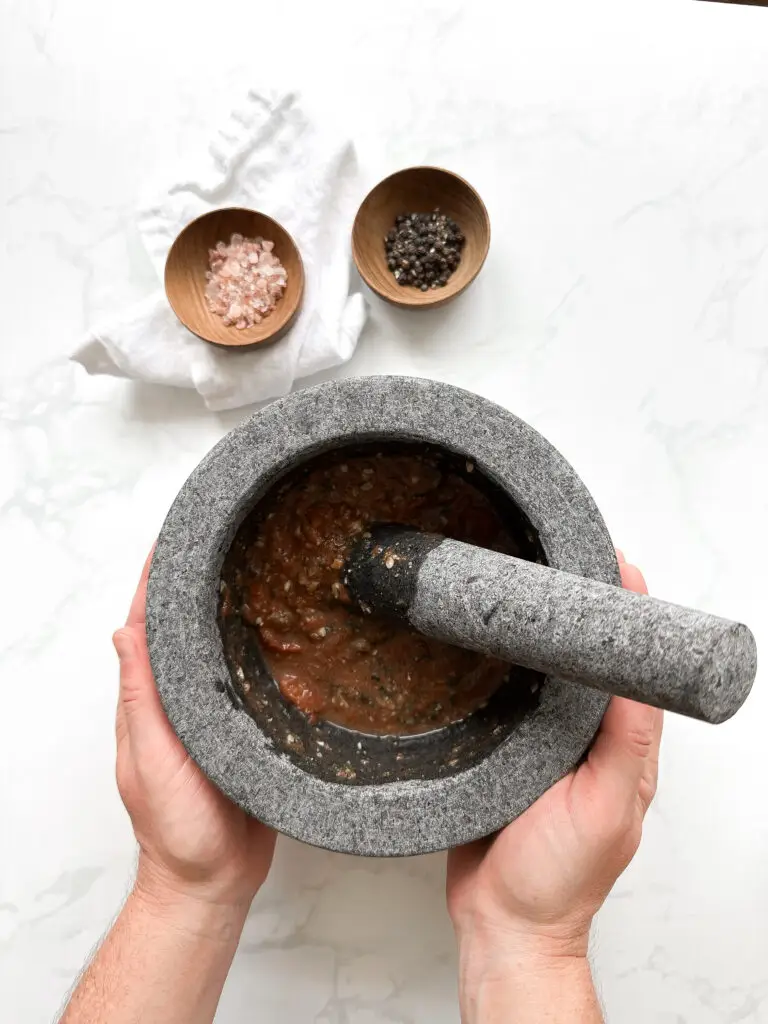
Whole peppercorns are the dried fruits of the pepper plant before grinding, the right form for fresh-cracked pepper finishing, infusing into stocks and brines, and grinding at the moment of use for maximum aromatic impact. Pre-ground pepper loses 50% of its volatile compounds within weeks; whole peppercorns hold flavor for years. A reader favorite built on it is Traditional Sikil Pak Mayan Dip where the whole black peppercorns are ground in a molcajete alongside the toasted pumpkin seeds and other ingredients to release the full aromatic depth that pre-ground pepper cannot match.
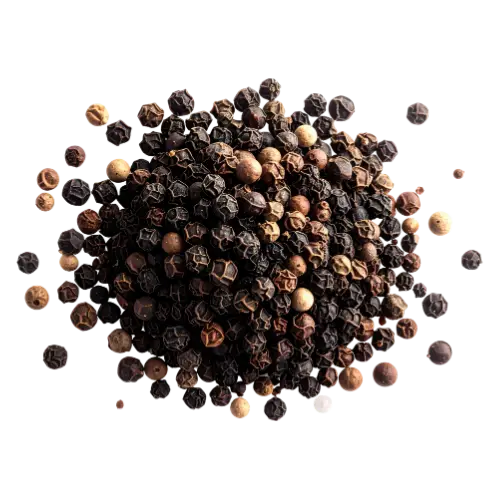
Black, white, green, and pink peppercorns are different products with different flavors and uses. Black peppercorns are the fully ripe dried berries, the most common and most pungent; the everyday peppercorn. White peppercorns are black peppercorns with the outer skin removed, milder and slightly fermented; the choice for cream sauces where black flecks would be visually distracting. Green peppercorns are unripe black peppercorns, freezed or brined, with a fresh herbal note; specialty use. Pink peppercorns are not true peppercorns at all (a different plant species) but a popular finishing peppercorn for visual color and mild flavor.
For Mayan-style applications, the recipe calls for grinding whole peppercorns alongside toasted pumpkin seed (as in Viral High Protein Cottage Cheese Breakfast Jars) in a molcajete (stone mortar). The whole peppercorns ground at the moment of use release oils and aromatic compounds that pre-ground pepper has long since lost. The flavor difference is dramatic in a dip where pepper is one of the dominant flavors. Pairing with cumin (used in The Best Ground Beef Chili and Halal Chicken and Rice) and garlic (seen in Ground Beef and Tater Tot Casserole and The Best Sheperds Pie) in the molcajete grind produces the authentic Yucatan flavor.
For peppermills and grinders, the key is grinding fresh per use. A coarse grind for finishing dishes shows visible pepper texture; a fine grind for cooked dishes integrates into sauces. Pepper mills with adjustable coarseness produce both; cheaper non-adjustable mills usually default to medium grind.
For stocks and brines, whole peppercorns infuse into the cooking liquid over long simmering times. The 1 teaspoon whole black peppercorns per quart of chicken stock (such as in Creamy Chicken Wild Rice Soup and Chicken Taco Soup) ratio is standard. Strain the stock through a fine-mesh sieve to remove the peppercorns before storing. For brines, the 1 tablespoon whole peppercorns per gallon of brine ratio produces deeply seasoned poultry or pork.
For pepper steak (the steak au poivre classic), coarsely crushed whole peppercorns (using a heavy pan or mortar) coat both sides of a steak before searing. The peppercorns form a crust that adds intense pepper flavor and slight crunch. The technique is more pungent than using fine ground pepper. Pairing with bay leaf (as in Chicken Marbella) and thyme (used in Chicken Cordon Bleu Casserole and Cajun Chicken) in the pan sauce builds the French-bistro flavor.
For storage, whole peppercorns keep 3-5 years in a sealed jar in a cool dark cabinet. The flavor degrades very slowly compared to pre-ground pepper. Replace your peppercorn supply every 2 years for best flavor; older peppercorns work but lack the bright, fresh pepper kick.
Peppercorns are the dried berries from the pepper plant, and whole black pepper refers to peppercorns that have been dried but not ground. The terms are often used interchangeably in cooking. Whole peppercorns are typically crushed or ground before use to release their flavor.
Whole peppercorns are commonly used in soups, broths, marinades, pickling brines, and spice blends. Because they release flavor slowly, they work well in simmered dishes such as stocks and stews. They can also be crushed for seasoning meats and sauces.
Whole peppercorns are usually added to recipes during simmering so their flavor infuses the dish. Add them to soups, broths, sauces, or braised meats while cooking. They can also be lightly crushed with a mortar or knife before use to release stronger flavor.
Whole peppercorns often provide fresher and stronger flavor because the oils remain sealed inside the berries until crushed. Ground pepper loses flavor more quickly after grinding. Crushing or grinding whole peppercorns just before cooking helps preserve their aroma and taste.
For more whole-spice and grinding-base options, see our pepper and black pepper recipes.