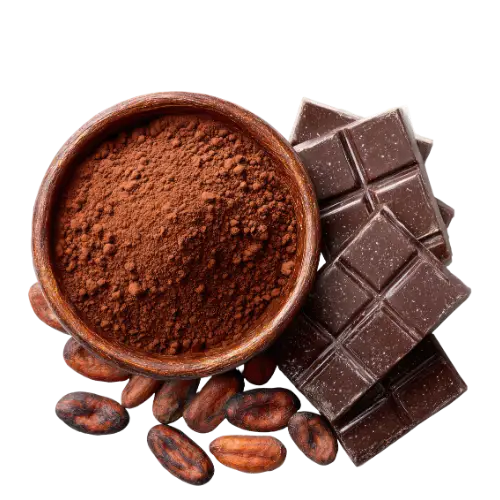
Dutch-processed and natural cocoa powder are not always interchangeable in baking. Natural cocoa is acidic, which means it reacts with baking soda to leaven the bake. Dutch-processed cocoa has been treated with alkali to neutralize the acid, which means it pairs with baking powder instead. Swapping one for the other without adjusting the leavener can produce a flat, dense bake. Most American recipes default to natural; most European recipes default to Dutch. Check the recipe context if it does not specify.
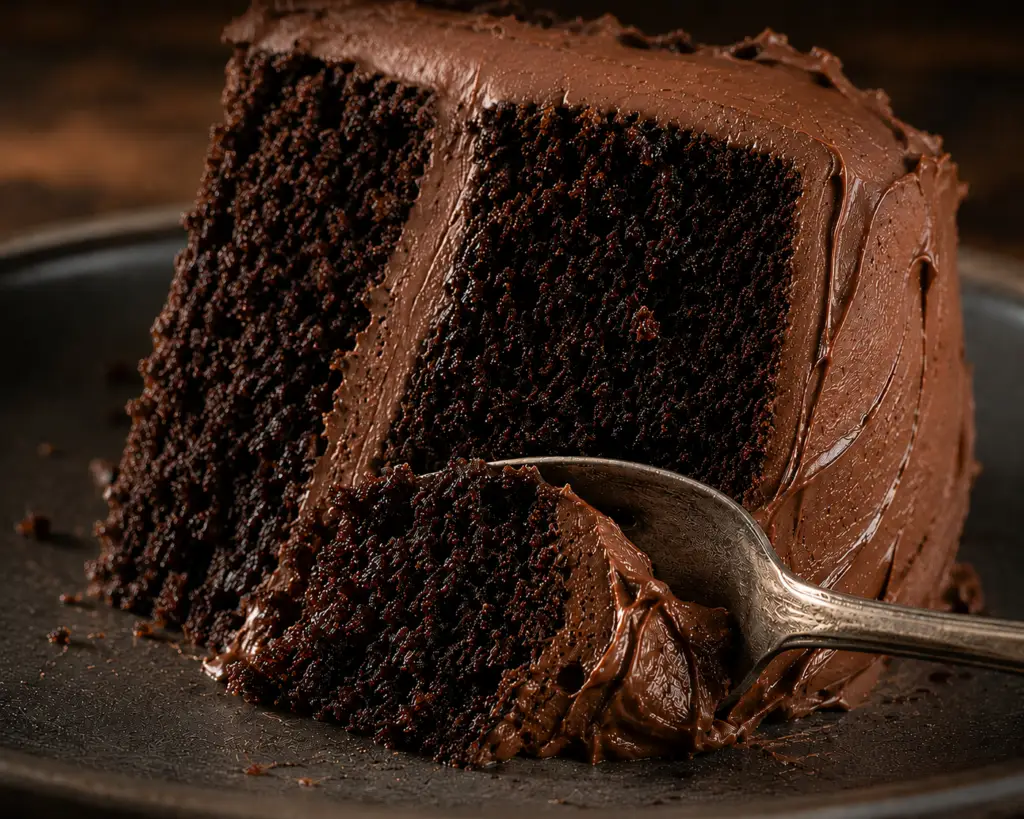
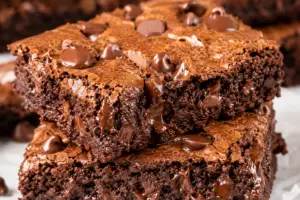
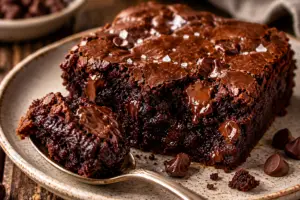
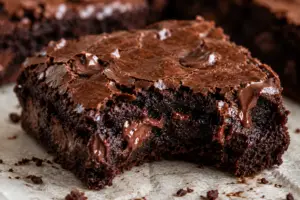
The fat content of cocoa powder matters in fudgy applications. Standard supermarket cocoa is around 10-12% fat. Higher-fat cocoa (Valrhona, Cacao Barry) is 22-24% fat and produces noticeably richer brownies and cakes. The substitution is roughly 1:1 by volume but produces a distinctly more luxurious finished bake. Cake Baking Tips 101 covers the technique of blooming cocoa in hot water or coffee before adding to a batter — the technique dissolves the cocoa solids completely and unlocks flavor that dry-mixed cocoa cannot deliver.
For flourless and gluten-free chocolate desserts, cocoa powder is doing structural work as well as flavor work. The dry cocoa absorbs moisture and binds the batter where flour would normally hold the structure. Flourless Chocolate Torte demonstrates this clearly — the cocoa, eggs, and butter alone produce a dense, fudgy torte with no flour needed, where the cocoa powder is contributing both flavor and texture. The same logic underlies most flourless chocolate desserts, where the cocoa percentage is doing the heavy lifting that flour normally would.
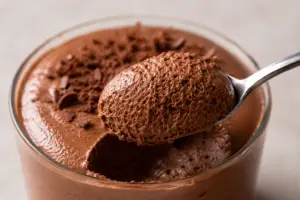
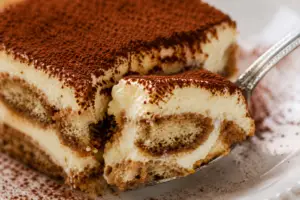
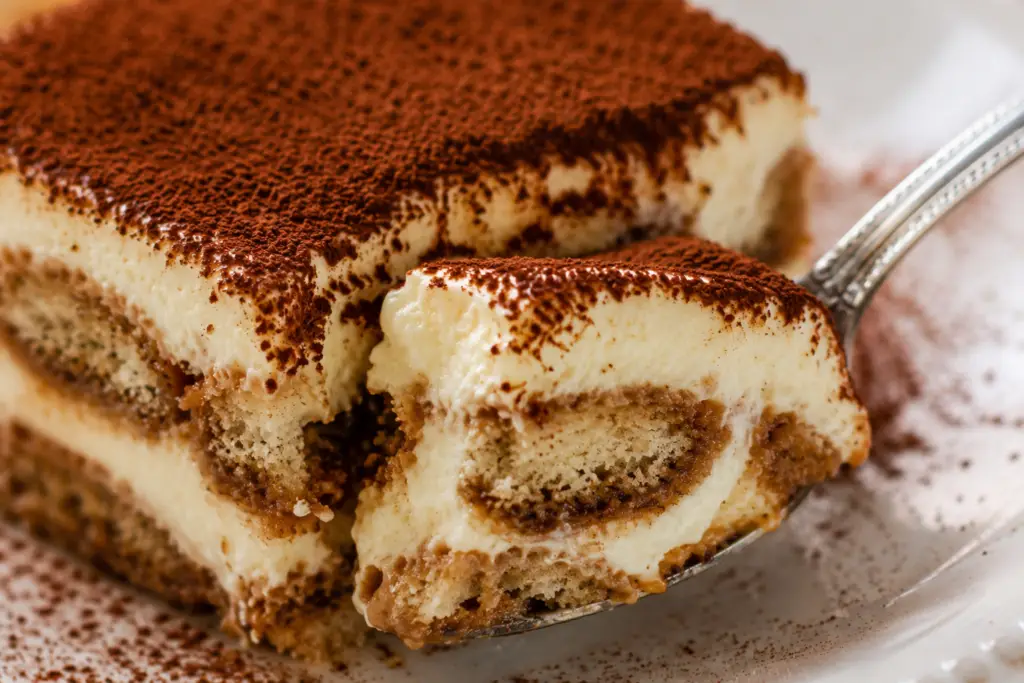
For finishing applications, dusting cooled bakes with cocoa powder is the matte-finish equivalent of powdered sugar dusting. The cocoa sits on the surface without melting and reads as a sophisticated finish on truffles, tortes, and dark cakes. Mix the cocoa with a little powdered sugar (1 tablespoon cocoa to 1 teaspoon sugar) for a slightly sweet dusting, or use straight cocoa for an unsweetened bitter finish. For broader cocoa work involving liquid bases like ganache, the cocoa-cream ratio depends on the goal — a small espresso boost in the cream brings out the cocoa even further, which is the trick most chocolate bakers use to deepen any cocoa-forward recipe without making it taste like coffee.