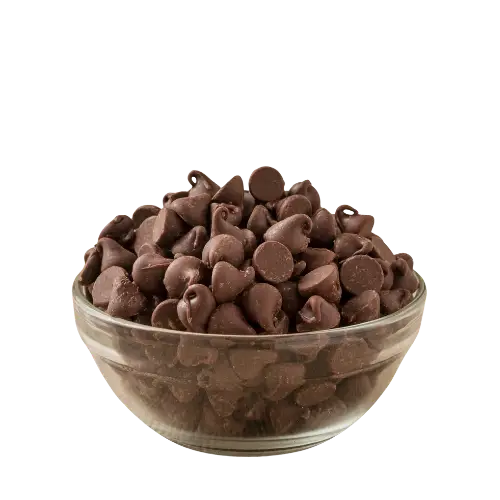
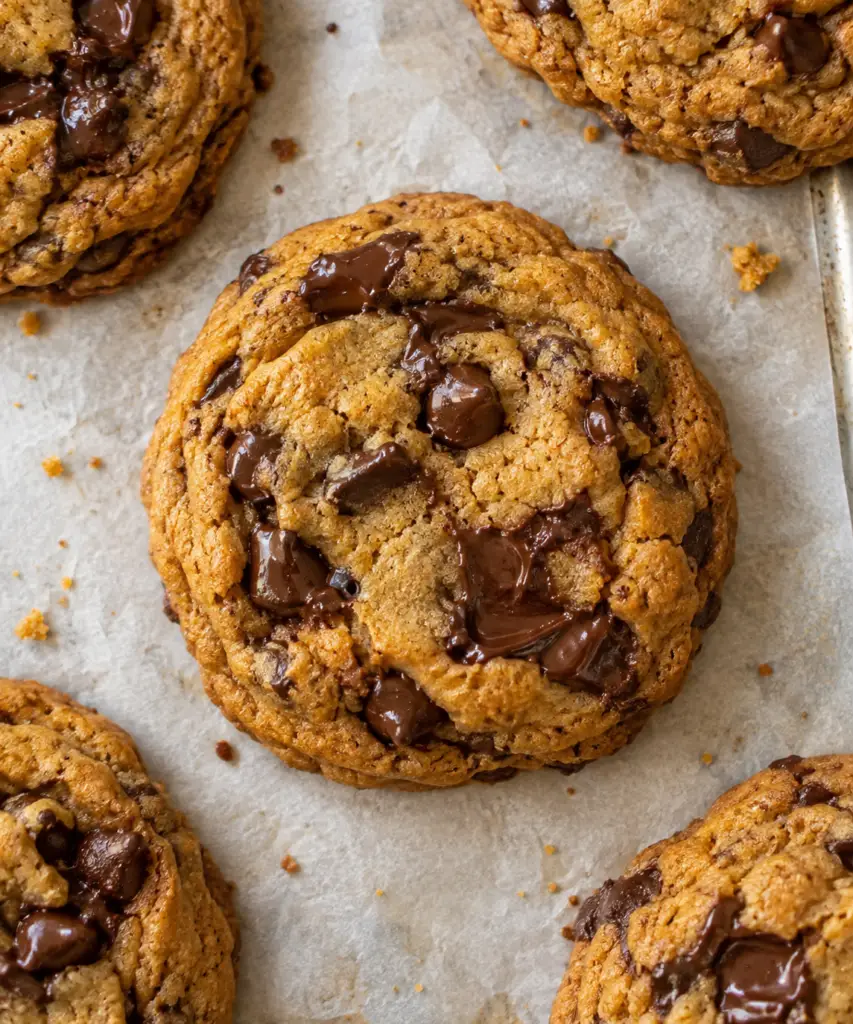
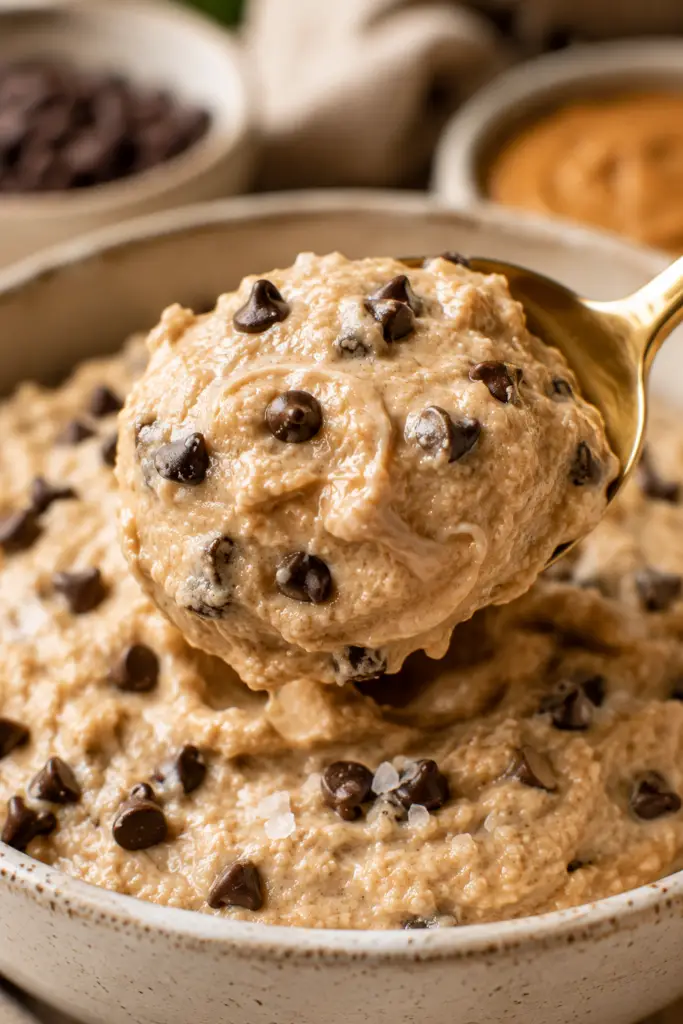
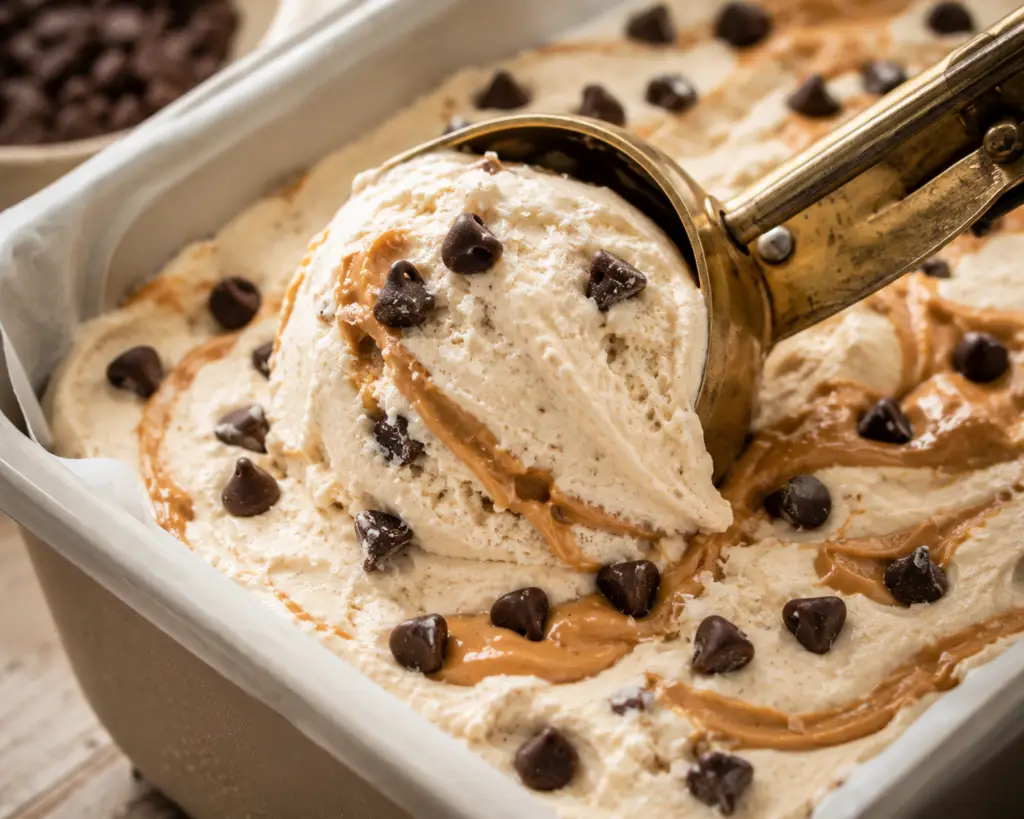
Chocolate chips are formulated to hold their shape during baking, which is the key difference between them and chopped chocolate or unsweetened cocoa powder. The added stabilizers and lower cocoa-butter percentage compared to chopped chocolate are what produce the distinct chip pockets in a finished cookie or muffin. Chopping a bar of chocolate produces a different result entirely — the chocolate melts further into the batter, creating ribbons and pockets of texture rather than discrete chips. Neither is wrong, but they are not interchangeable for the same effect.
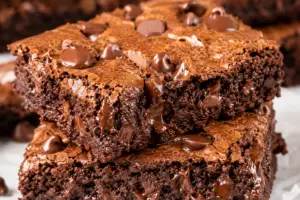
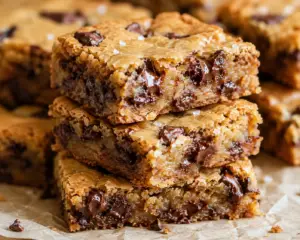
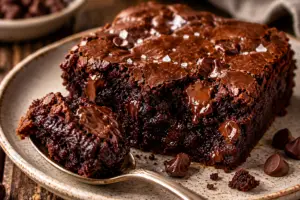
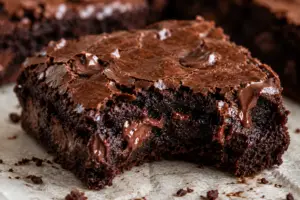
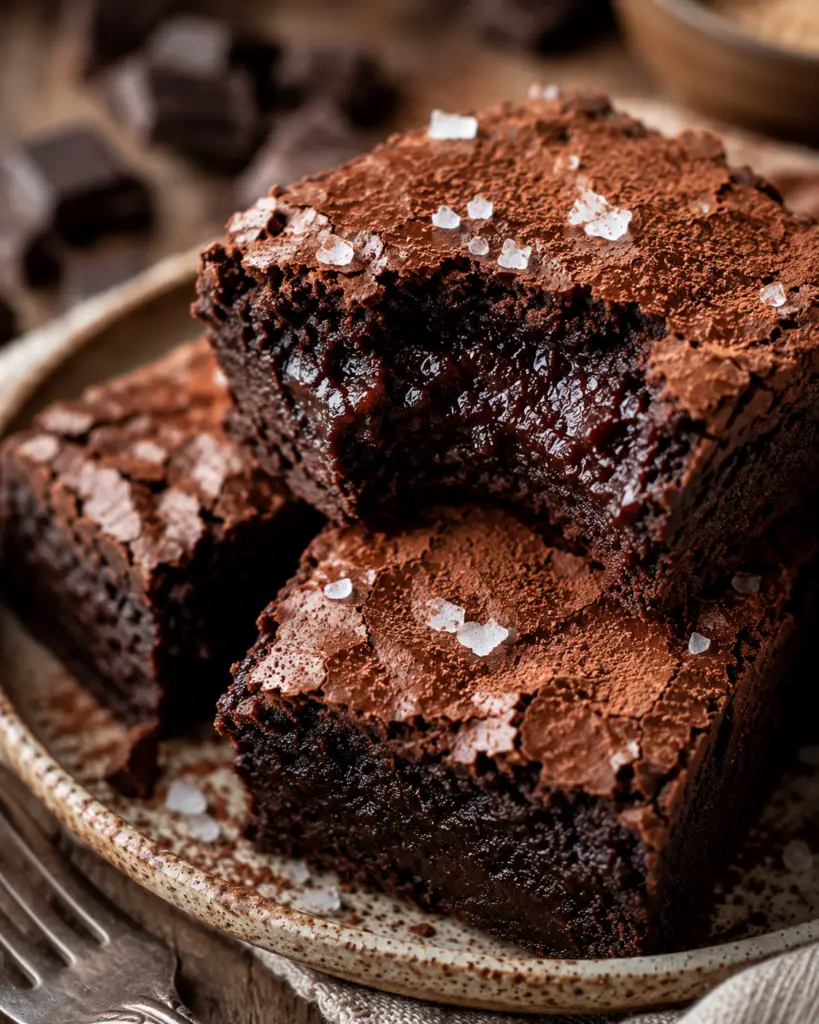
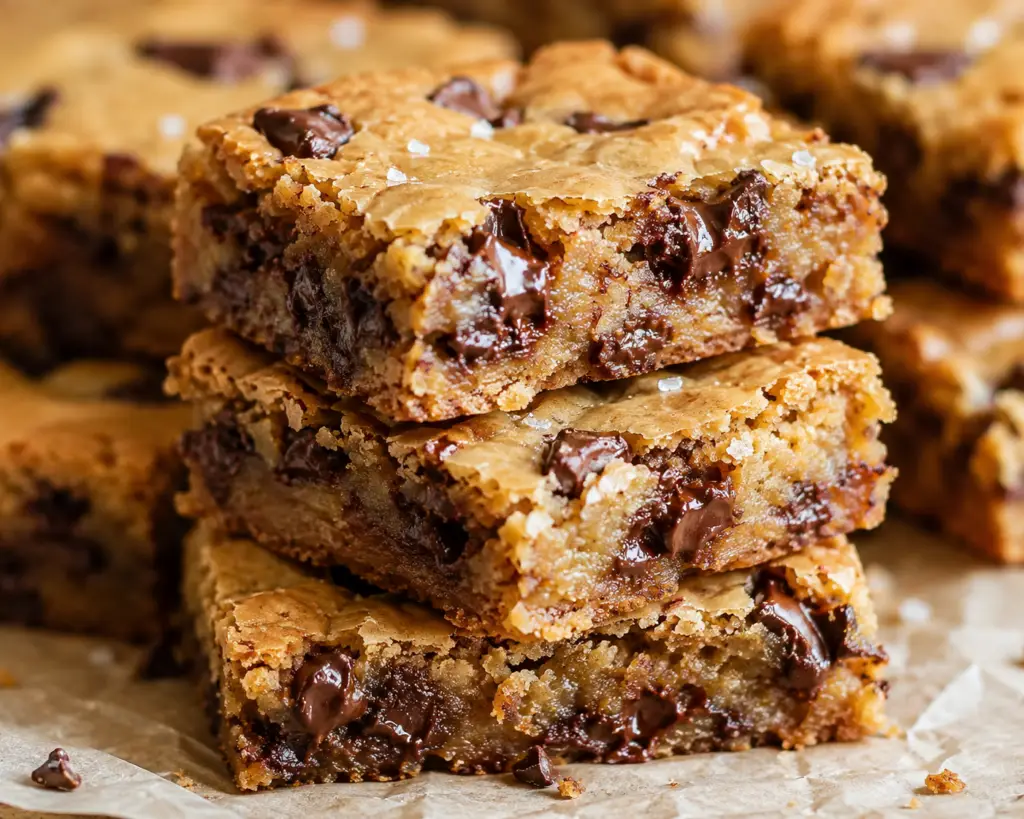
The choice between semisweet, dark, milk, and white chocolate chips changes the dessert more than most home bakers expect. Semisweet chips hit the sweet-spot ratio of cocoa to sugar for most cookies and muffins. Dark chips (60%+ cacao) work better in recipes that lean rich and intensely chocolatey. Milk chips are sweeter and softer, which works for kid-targeted bakes but can taste flat in adult-style desserts. Pumpkin Blondies uses semisweet specifically to balance the spice profile of the pumpkin base, while Fudgy Pumpkin Brownies doubles the chip content for a denser, richer chocolate presence.
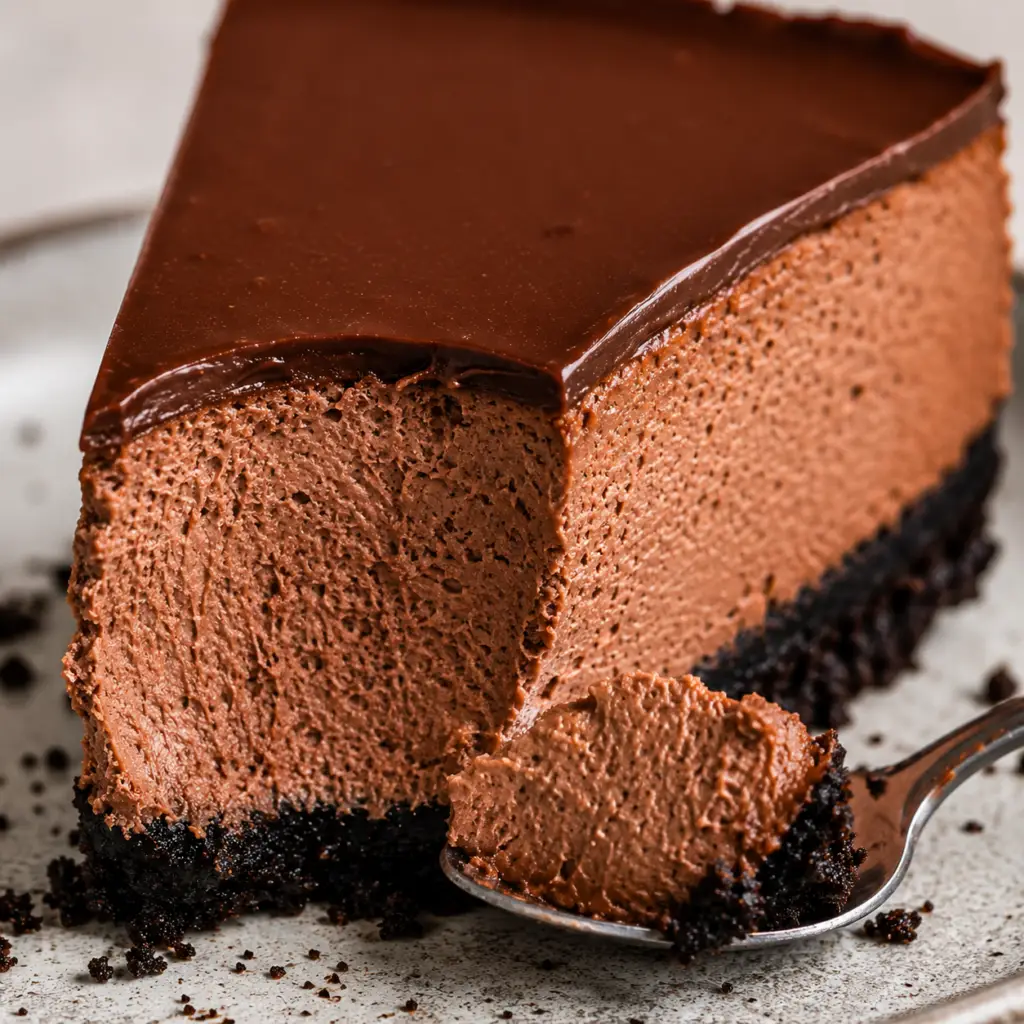
For melting applications (ganache, dipped chocolate, candy coating), chocolate chips are actually the wrong choice. The stabilizers that help them hold shape during baking also resist clean melting and produce a thicker, less glossy finish. Real chopped chocolate or chocolate melts (couverture) is the right tool for dipping, drizzling, and ganache. For comparison, caramel sauce work follows the opposite rule — you want the higher-fat ingredient to break down completely into the sauce. Use chocolate chips only when the chip shape is the goal.
For a recipe that demonstrates chocolate chips doing structural work rather than just sweet-spot work, try Best Ever Chocolate Chunk Cookies, which uses larger chunks alongside standard chips to show how the two formats produce different melt patterns in the same dough. The same principle scales across most baked goods on the site where chocolate chips show up — they are doing flavor and texture work simultaneously, not just adding sweetness.