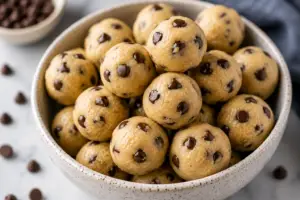
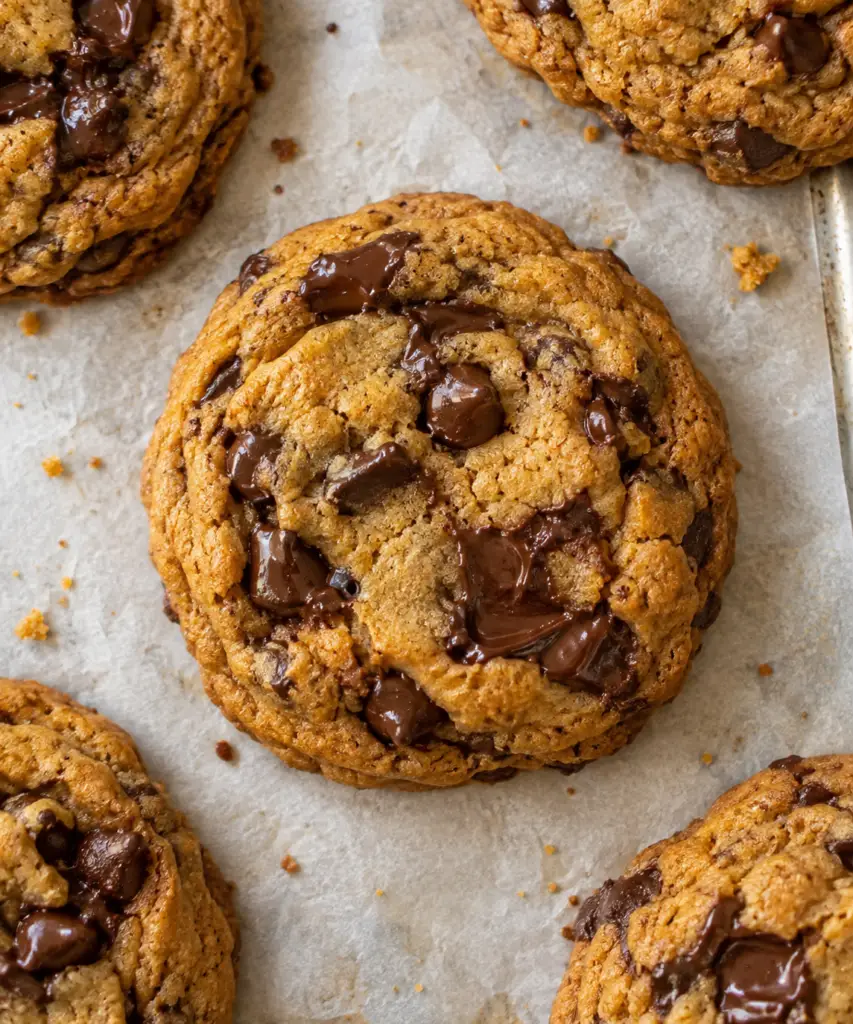
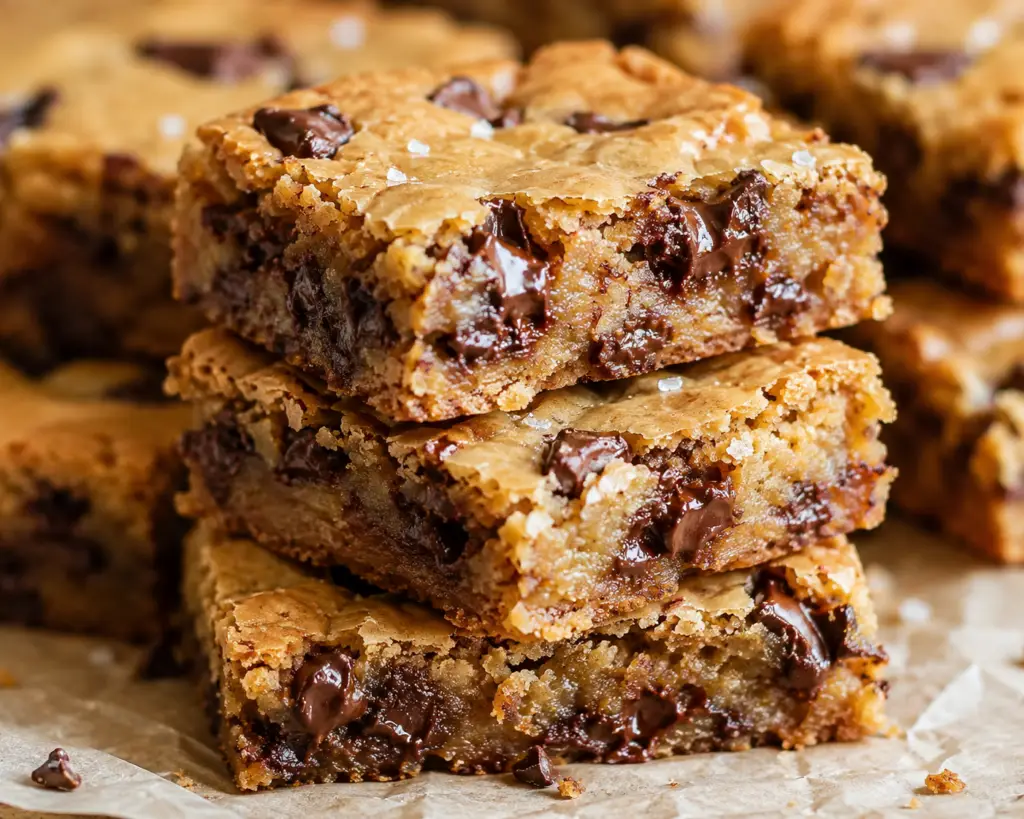
Chocolate chunks are larger pieces of chocolate (cut from a bar) used in cookies where you want pockets of melted chocolate rather than uniform chocolate-chip distribution. The larger pieces don’t fully melt in the oven, producing the bakery-style chunky-chocolate appearance and pools of melted chocolate that chocolate chips can’t replicate. A reader favorite that builds on it is Best Ever Chocolate Chunk Cookies where the chocolate chunks produce visible pools of melted chocolate that distinguish bakery-style cookies from standard chocolate chip versions.


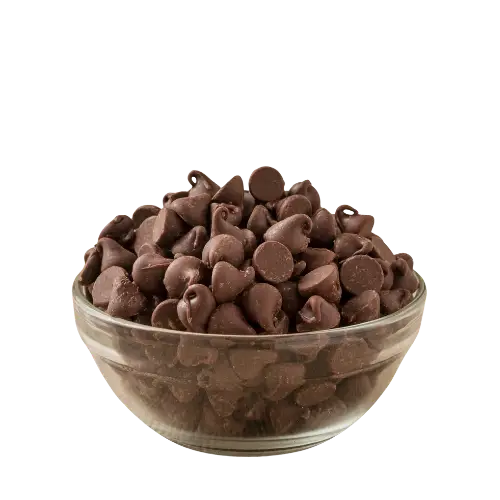
Chocolate chunks and chocolate chips serve similar baking purposes but produce different finished results. Chips are designed to hold their shape during baking (they contain stabilizers like soy lecithin and less cocoa butter). Chunks are cut from chocolate bars and melt more completely, producing pools of melted chocolate rather than discrete chips. For bakery-style cookies with visible chocolate pools, chunks are the right choice; for classic Toll House cookies, chips are the standard.
For homemade chocolate chunks, the technique is to chop a bar of high-quality chocolate (Ghirardelli, Lindt, Trader Joe’s Pound Plus) into 1/4-inch pieces using a serrated knife. The irregular shapes produce the bakery-style chocolate distribution; uniform-sized chunks look too manufactured.
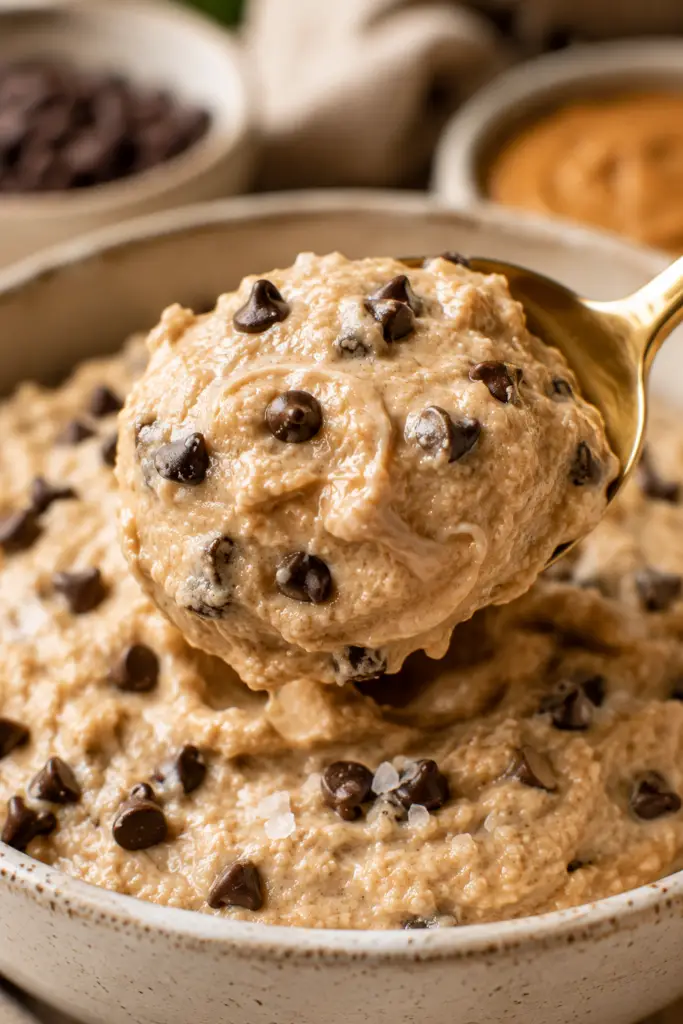
For cookies with chocolate chunks, the standard substitution ratio is 1:1 with chocolate chips. A standard 12-ounce bag of chocolate chips substitutes with 12 ounces (about 2 cups) of chopped chocolate. The cookies will have a slightly different finished appearance, with melted chocolate pools rather than discrete chips, but the flavor and texture are otherwise similar.
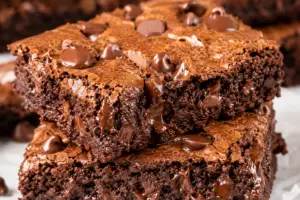
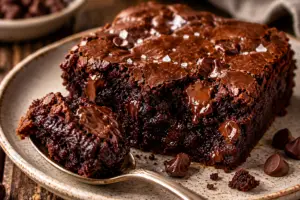
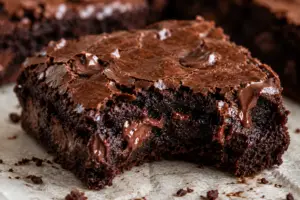
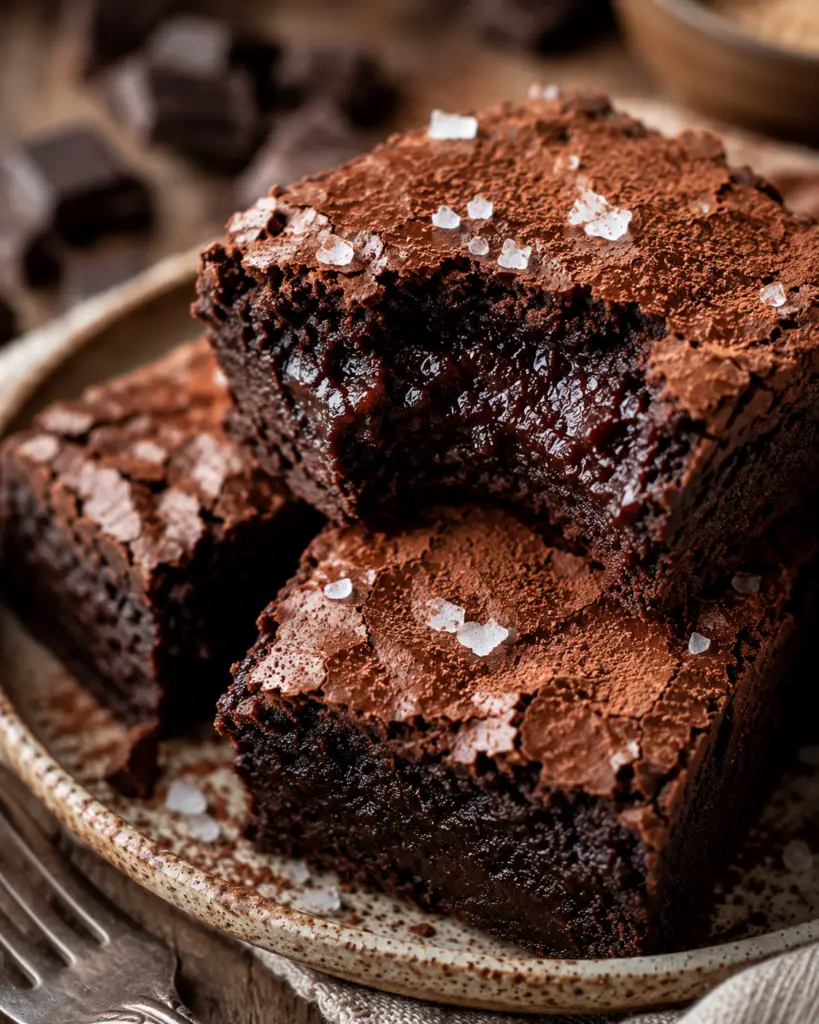
For brownies, chocolate chunks fold into the batter just before pouring into the pan. The 1 cup chopped chocolate per 9×13 pan ratio is the standard; the chunks partially melt during baking, producing pockets of intense chocolate alongside the brownie crumb. Reserve a handful to sprinkle on top of the batter for visual appeal.
For chunk size variation, mixing chocolate sizes within a single batch produces visual interest. A combination of 1/2-inch chunks + 1/4-inch chunks + finely chopped pieces gives both visible chocolate pools and integrated chocolate-flavored cookie crumb. The mixed-size technique is what high-end bakeries use.
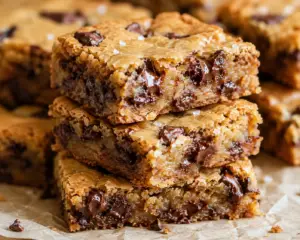
For dark, milk, and white chocolate, dark chocolate (60-70% cocoa) has the richest flavor and least sweetness. Milk chocolate is sweeter and creamier. White chocolate (technically not chocolate, since it contains no cocoa solids) is the sweetest and most delicate. Cookies and brownies usually feature dark or semi-sweet chunks; white chocolate works for specific applications like macadamia cookies or blondies.
For substitution, chocolate chips work as a substitute when chocolate chunks aren’t on hand; the visual result is different but the flavor is similar. Cocoa nibs (unsweetened chopped cocoa beans) provide chocolate flavor and crunch but no melting; not a 1:1 substitute.
For storage, chopped chocolate keeps 1-2 years in a sealed container in a cool dark cabinet. Whole bars keep longer than chopped (less surface area exposed to air). Chocolate develops bloom (white surface dusting) when exposed to temperature swings; it’s still safe and works fine for baking but looks unattractive. Browse chocolate chips and dark chocolate chips for closely related baking chocolates. Reader favorites built on it include Peanut Butter Stuffed Brownies.
Chocolate chunk recipes usually start by adding chocolate chunks to a cookie, brownie, or cake batter. Prepare the base dough or batter using flour, sugar, butter, and eggs, then fold in the chocolate chunks before baking. The chunks melt slightly while baking, creating rich pockets of chocolate throughout the dessert.
Chocolate chunks and chocolate chips are similar but not exactly the same. Chocolate chunks are larger pieces of chocolate, while chips are smaller and designed to hold their shape during baking. Chunks create larger melted pockets of chocolate in baked goods.
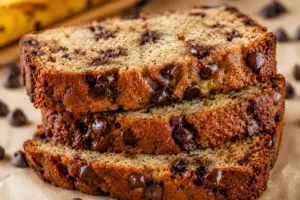
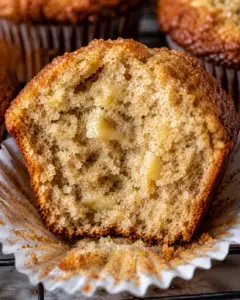
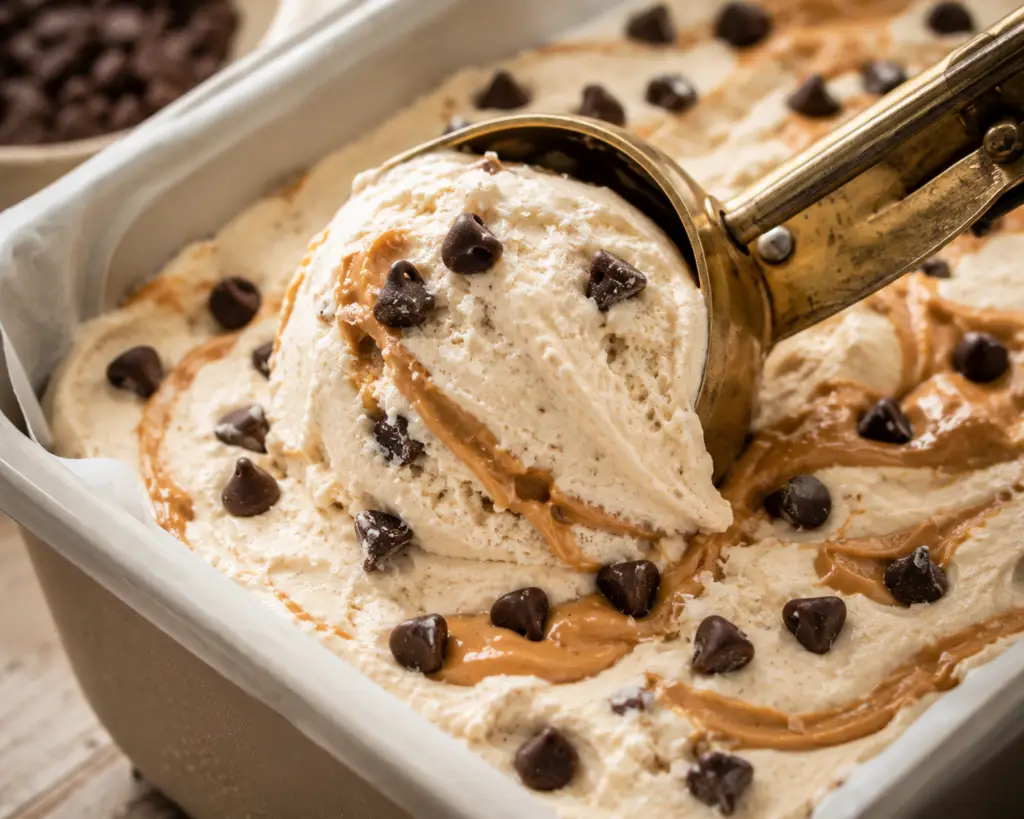
Chocolate chunks are commonly used in cookies, brownies, muffins, cakes, and dessert bars. They can also be added to pancake batter or quick breads for extra chocolate flavor. Their larger size makes them ideal for desserts where visible chocolate pieces add texture.
Chocolate chips are the most common substitute for chocolate chunks in recipes. You can also chop a chocolate bar into small pieces to create similar chunks. Both options melt well in baked goods and provide the same rich chocolate flavor.
For more chocolate and baking chocolate options, see our cocoa powder and chocolate chip recipes.