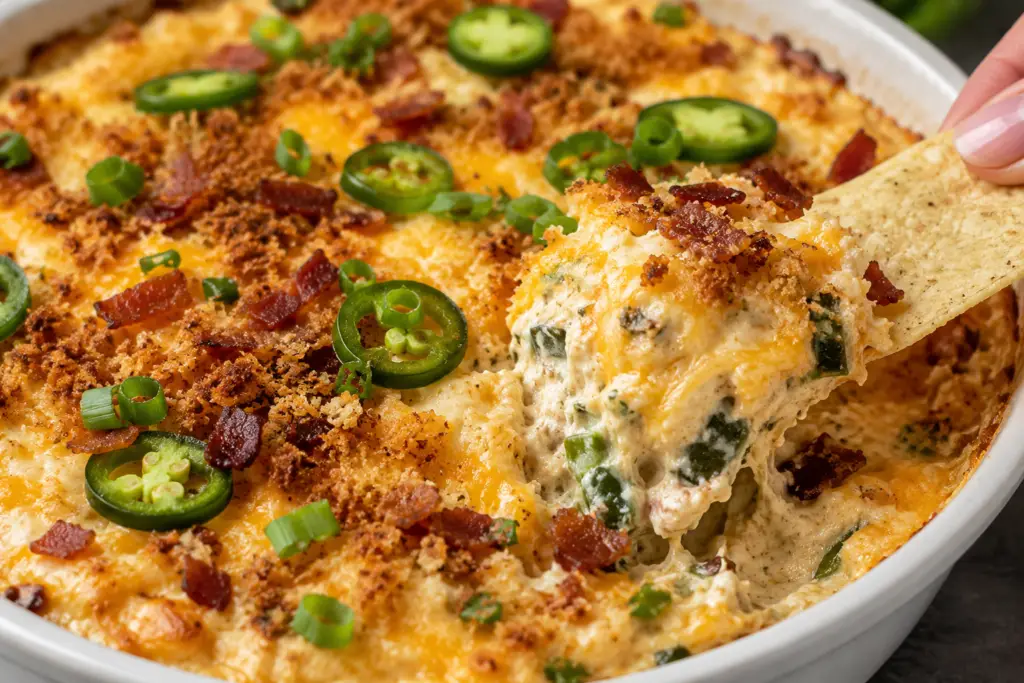
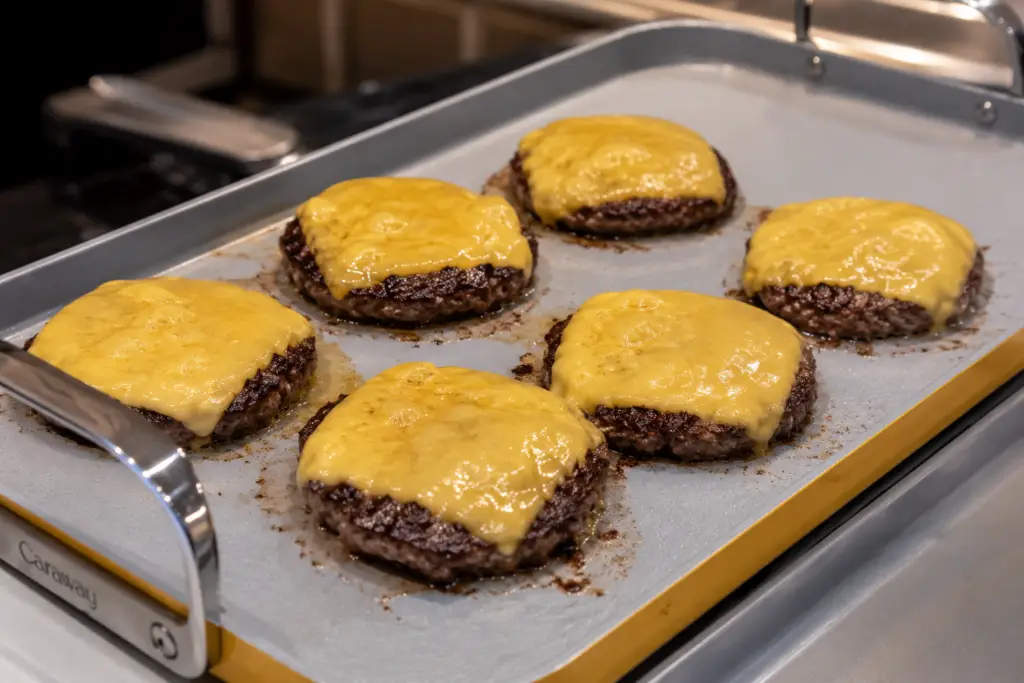
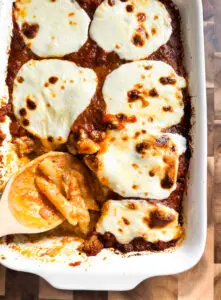
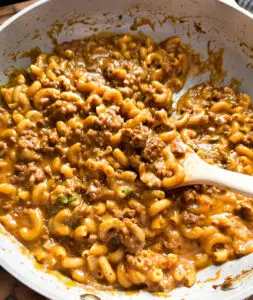
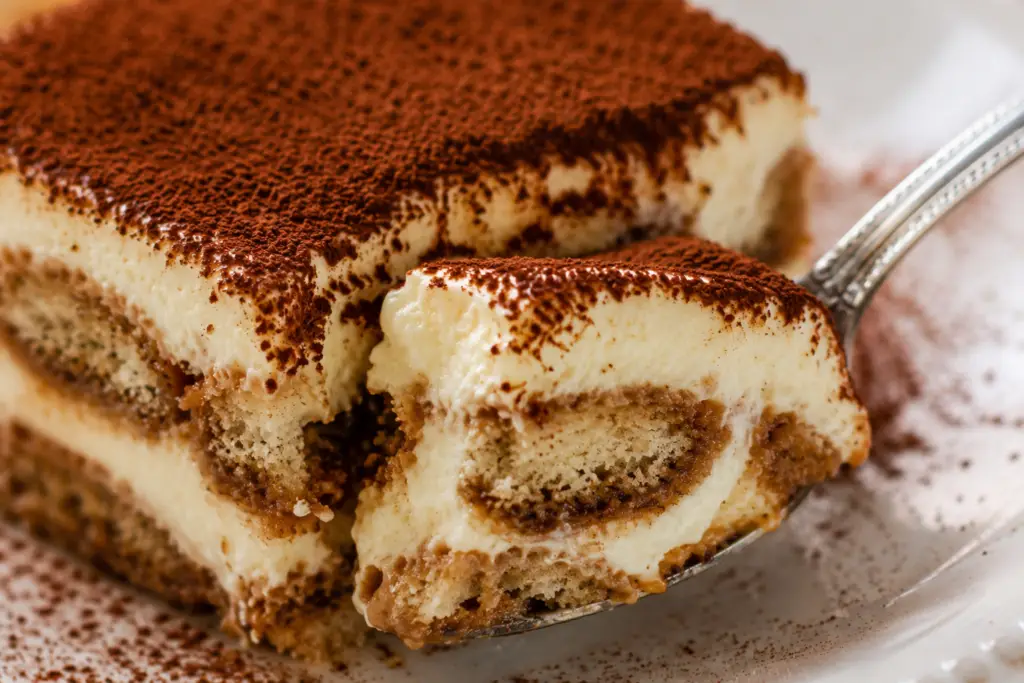
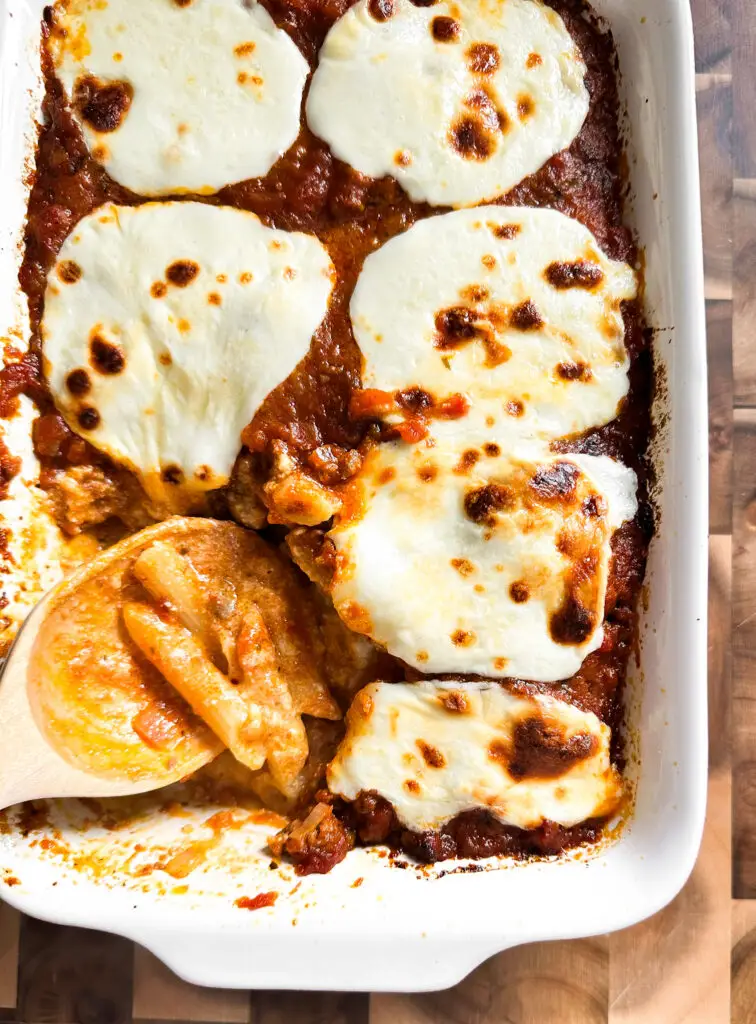
The cheese recipes are essential but the variety is either flexible or layered. A cheese ball uses cream cheese plus a sharp cheese plus a soft cheese. A pizza uses mozzarella plus parmesan. A breakfast casserole might combine cheddar, gruyere, and parmesan for layered melting and browning behavior. The tag reflects the layered reality of how cheese actually shows up in good home cooking.
For cheese selection in any layered application, the rule is: one cheese for melt, one cheese for flavor, optionally one for visual appeal. Mozzarella melts smoothly but tastes mild; parmesan cheese tastes sharp and savory but doesn’t melt well alone; feta crumbles for texture and tang. Combining the three in a chicken parmesan or stuffed pasta dish produces the layered profile that single-cheese versions cannot deliver.
Cottage cheese is the wild card in the cheese family, it functions more like a high-protein dairy than a traditional cheese in cooking applications. greek yogurt is the closest direct substitute by texture and protein content. Cottage cheese in baking (muffins, pancakes, banana bread) produces tender, high-protein bakes without changing the texture noticeably. The protein replacement makes these recipes meal-prep-friendly in ways pure-flour-and-sugar versions are not.
For cheese storage, hard cheeses (parmesan, aged cheddar) keep 4-6 weeks wrapped in cheese paper or parchment then plastic. Soft cheeses (mozzarella, ricotta, cottage cheese) keep 7-10 days in the original container. Pre-shredded cheeses contain cellulose anti-caking agents that compromise melting, block cheese grated fresh always performs better in melt applications. The standard cheese-and-crackers board uses cream cheese-based spreads alongside hard cheeses to span the texture spectrum. For different applications, Viral Burnt Basque Cheesecake showcases cheese in a sweet dessert format and Simple Cheese Scones uses it as the savory backbone of a quick bread. Browse goat cheese, parmesan cheese, and salt for closely related cooking applications.