
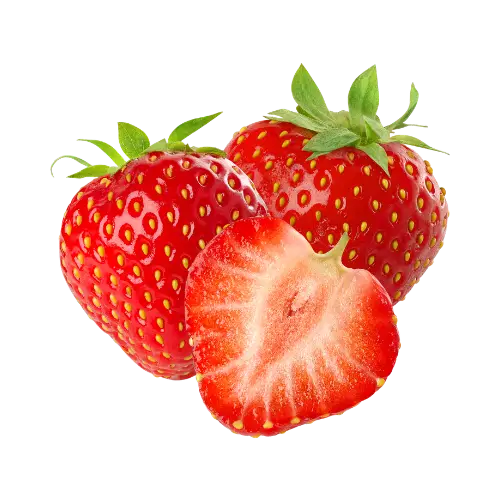
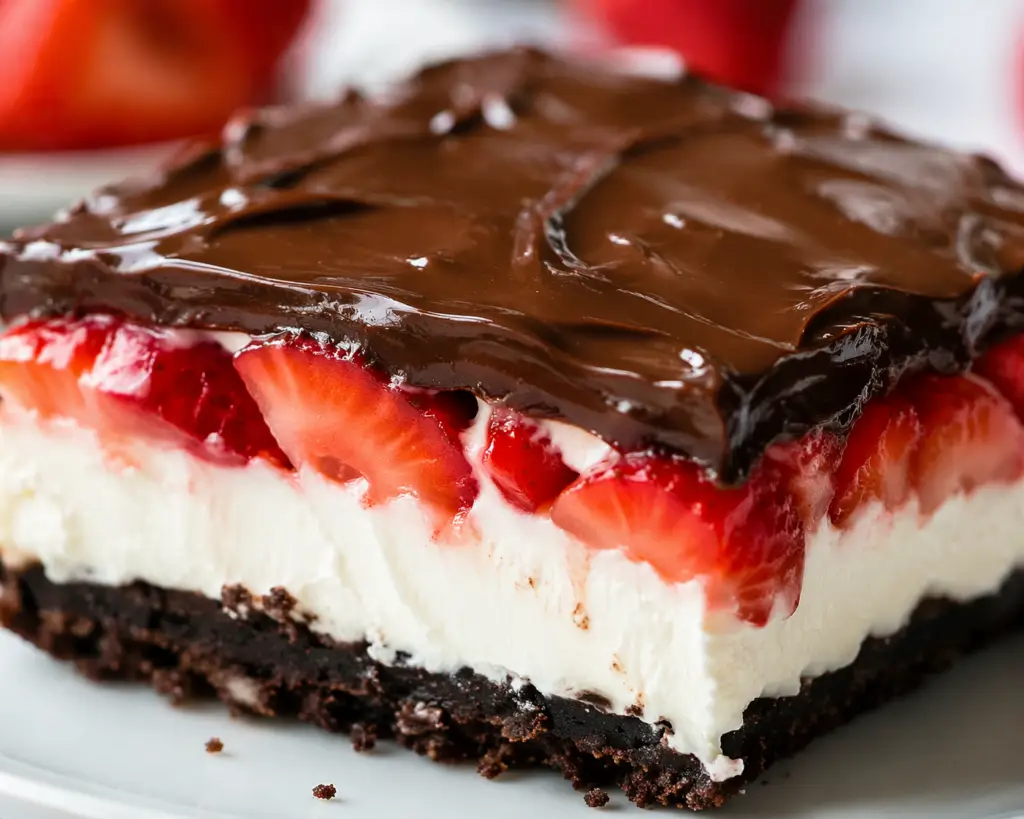
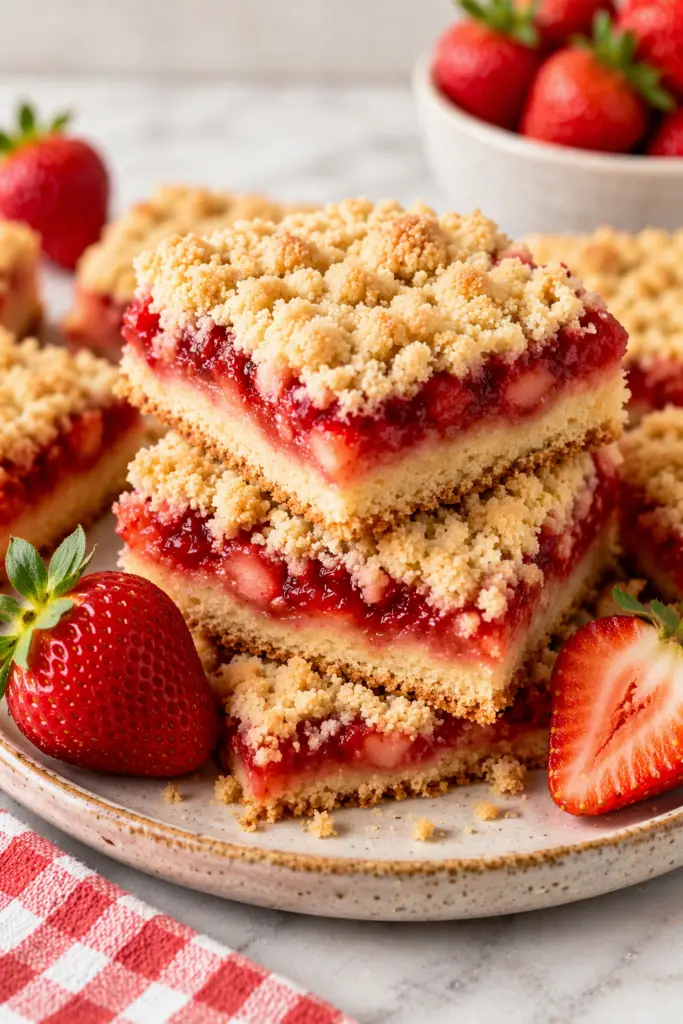
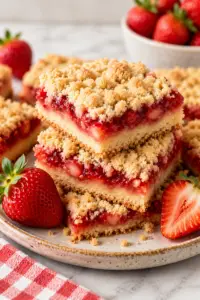
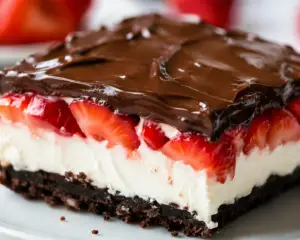
Strawberries are the spring berry that anchors strawberry shortcake, jams, preserves, and fresh fruit salads. Fresh strawberries are seasonal (April through June for peak quality in most US regions); frozen strawberries work year-round for cooked and baked applications. Recipes on the site that use strawberries include Chocolate Covered Strawberry and Easy Strawberry Shortcake Bars where the fresh berries are the lead flavor.
Fresh versus frozen strawberries depend on the application. Fresh strawberries are the only option for fresh applications. Shortcake, salads, garnishes, the simple strawberries-and-cream finish. Frozen strawberries work in jams, sauces, baked desserts, and smoothies where the texture difference does not matter. Frozen berries are also significantly cheaper outside peak season and often picked at riper stages than the fresh berries shipped long distances. sugar in either format helps draw out the natural juices and concentrate the flavor.
For strawberry shortcake, the technique is to slice fresh strawberries, toss with sugar and a small amount of lemon juice, and let sit 30 minutes for the berries to release their juices (called ‘macerating’). The resulting syrupy mixture goes on top of biscuit-style shortcakes, with heavy cream whipped to soft peaks completing the classic three-element dessert. The biscuit should be slightly sweet and tender, not the savory drop-biscuit style.
For homemade strawberry jam, the technique is to combine 4 cups of hulled and chopped strawberries with 2 cups of sugar and 2 tablespoons lemon juice. Bring to a boil, reduce to medium, and cook for 20-25 minutes until thickened. The jam keeps 3 weeks in the fridge or 6+ months if water-bath canned. vanilla extract stirred in at the end adds depth that the standard berries-sugar-acid combination cannot deliver. Recipes that work with this ingredient often share territory with blueberries, apples, and cranberries.
For storage, fresh strawberries should NOT be washed until right before use. Water on the berries accelerates spoilage. Store unwashed in a single layer in a paper-towel-lined container, refrigerated. They last 5-7 days this way. Frozen strawberries (washed, hulled, and frozen in a single layer on a sheet pan, then transferred to bags) last 8-12 months. Browse peach, bananas, and lime juice for closely related cooking applications.
Macerating strawberries means tossing them with sugar and letting them sit so the sugar draws out their natural juices. Slice or hull fresh strawberries, add 2 to 3 tablespoons of sugar per cup of berries, stir to combine, and let sit at room temperature for 20 to 30 minutes. The result is soft, syrupy strawberries with a concentrated flavor, perfect for shortcakes and desserts.
Yes, for cooked and baked applications. Frozen strawberries work well in jams, sauces, muffins, cakes, and smoothies where texture is not critical. For fresh applications like shortcake garnishes, salads, and dipped strawberries, fresh is the only option. Frozen strawberries release more liquid as they thaw, so reduce any added liquid in baked recipes slightly.
Do not wash strawberries until right before use. Moisture on the berries accelerates mold growth. Line a container with paper towels, arrange the strawberries in a single layer without stacking, and refrigerate. Stored this way, fresh strawberries last 5 to 7 days. Remove any moldy berries immediately since one bad berry speeds the decline of the rest.
Combine 2 cups of hulled and sliced strawberries, 2 tablespoons of sugar, and 1 tablespoon of lemon juice in a small saucepan. Cook over medium heat for 8 to 10 minutes, stirring occasionally, until the berries break down and the sauce thickens slightly. For a smooth sauce, blend briefly or press through a strainer. Keeps in the refrigerator for up to 1 week.