
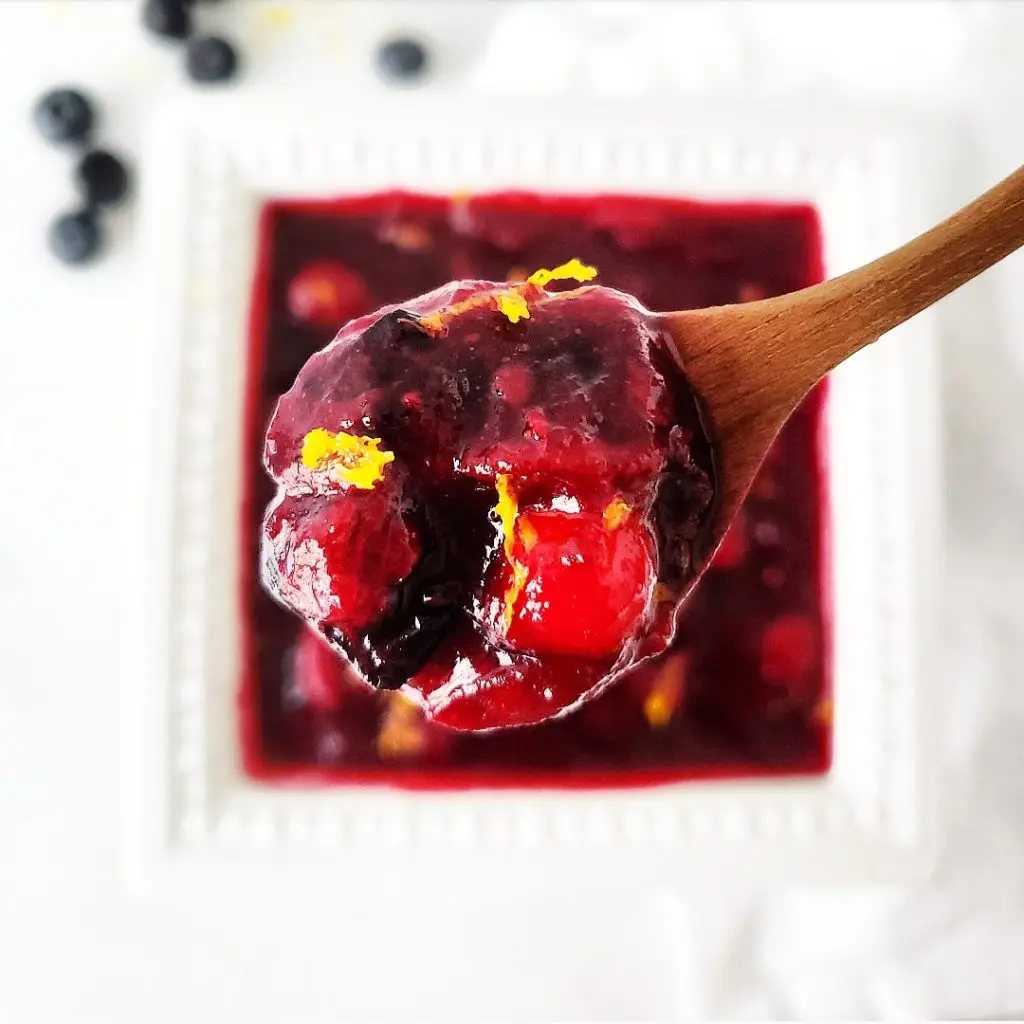
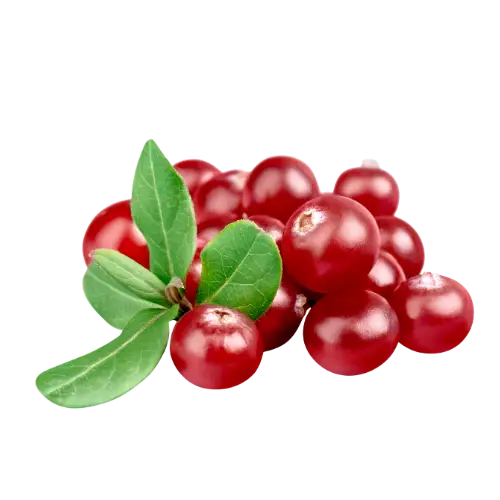
Cranberries are the tart, vibrant red berries that anchor Thanksgiving sauces, holiday baking, and any application where sour-sweet balance is the goal. Fresh, frozen, and dried versions work in different contexts: fresh and frozen for sauces and cooked applications; dried for salads, granola, and trail-mix-style snacks. A reader favorite that builds on it is Homemade Cranberry Blueberry Sauce where the cranberries provide the tart, slightly bitter contrast to the sweeter ingredients in the sauce.
Fresh, frozen, and dried cranberries serve very different culinary purposes. Fresh cranberries (available October-December) are the choice for cranberry sauce, holiday baking, and any cooked application where you want the berries to break down into a chunky-thick sauce. Frozen cranberries work identically to fresh in cooked applications. Dried cranberries (Craisins) are the snack and salad add-in option; they’re sweetened and not interchangeable with fresh in cooked recipes.
For Thanksgiving cranberry sauce, the standard recipe is 1 bag (12 oz) fresh cranberries + 1 cup sugar + 1 cup water + 1 strip orange peel, simmered until the berries pop and the sauce thickens (about 15 minutes). Homemade cranberry sauce is dramatically better than canned and easier to make than most cooks realize.
For baking applications, fresh or frozen cranberries fold into muffins, quick breads, and scones. The tart fruit balances the sweet baked good; without added sugar, plain cranberries taste sour. The standard ratio is 1 cup cranberries per loaf or 12-muffin batch.
For dried cranberries in salads and grain bowls, the chewy texture and concentrated sweetness contrast with greens and grains. Pairs particularly well with feta, blue cheese, walnuts, and pecans. The Craisins brand and similar sweetened dried cranberries are the most common variety; unsweetened dried cranberries exist but are less widely available.
For cranberry-orange combinations, the citrus brightens the cranberry tartness and adds complexity. Cranberry-orange muffins, cranberry-orange sauce, and cranberry-orange relish all build on this combination. Use both zest and juice for fullest orange contribution.
For substitution, fresh red currants or pomegranate seeds produce a similar tart-fruit-burst effect in salads and as garnishes. Sour cherries (fresh or frozen) work in cooked applications. Dried cranberries can substitute for raisins in most recipes with a slight tartness adjustment.
For homemade cranberry relish, pulse 1 bag fresh cranberries + 1 whole orange (chopped, peel included) + 1 cup sugar in a food processor until coarsely chopped. Refrigerate 24 hours to mellow the flavor. The relish is dramatically different from cooked cranberry sauce, brighter and more textured.
For storage, fresh cranberries keep 3-4 weeks refrigerated in the original bag. Frozen cranberries (often the same bags from the supermarket) keep 8-10 months. Dried cranberries keep 6-12 months at room temperature in a sealed container. Cooked cranberry sauce keeps 1-2 weeks refrigerated or 6 months frozen. Browse orange juice and blueberries for closely related fruit ingredients. Reader favorites built on it include Cornbread Dressing and Sweet Potato Casserole.
Cranberry sauce can be used as a topping, filling, or ingredient in both sweet and savory dishes. It works well in sandwiches, baked goods, and sauces. You can spread it on bread, mix it into desserts, or use it as a glaze for meats to add sweetness and tang.
Cranberries are used in recipes like muffins, cakes, breads, sauces, salads, and chutneys. They are also added to stuffing and roasted dishes. Their tart flavor balances sweet and savory ingredients, making them versatile for many types of meals.
Cranberry juice provides antioxidants and may support urinary tract health. It can also contribute to hydration and overall wellness when consumed in moderation. Choose options with less added sugar to keep it a healthier part of your diet.
Cranberry juice may not be ideal for acid reflux because of its acidity. It can sometimes trigger symptoms in sensitive individuals. If you have reflux, it is best to monitor your response and choose lower-acid beverages when needed.