
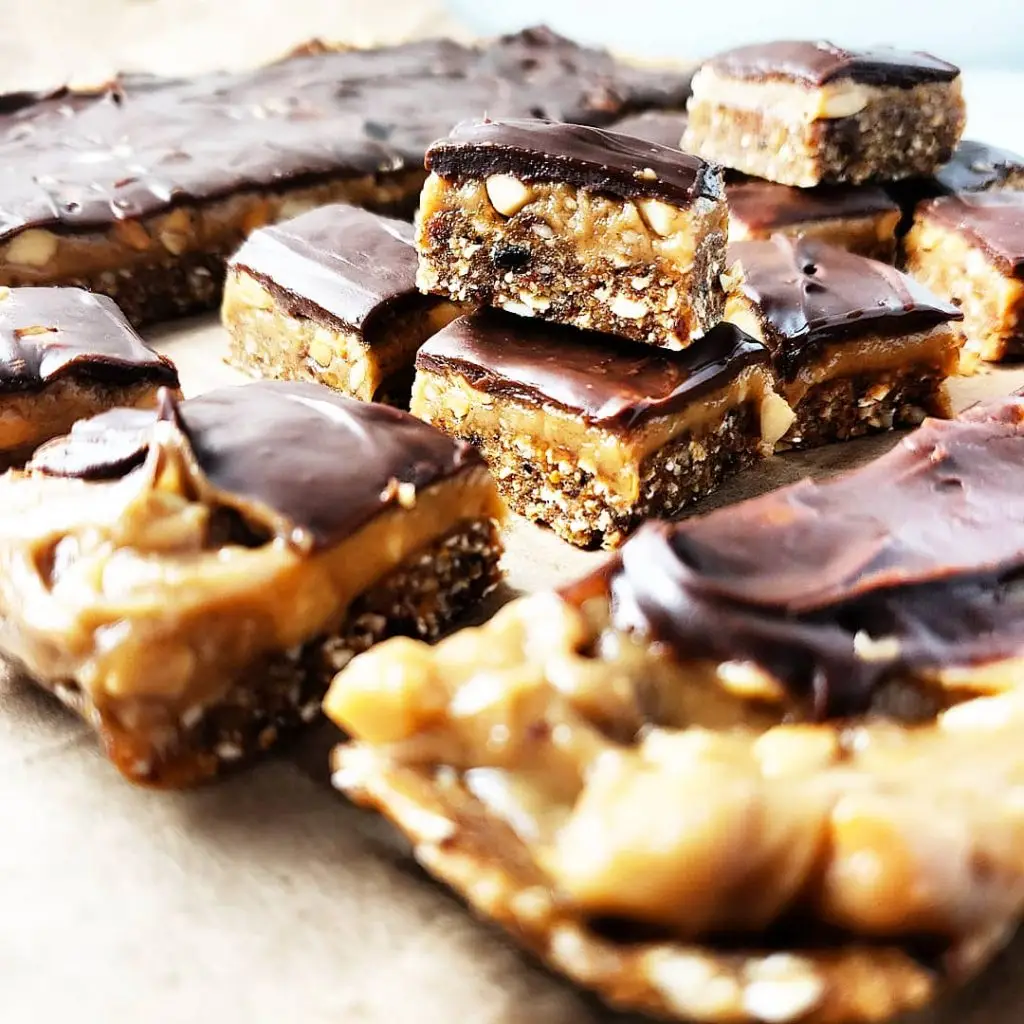
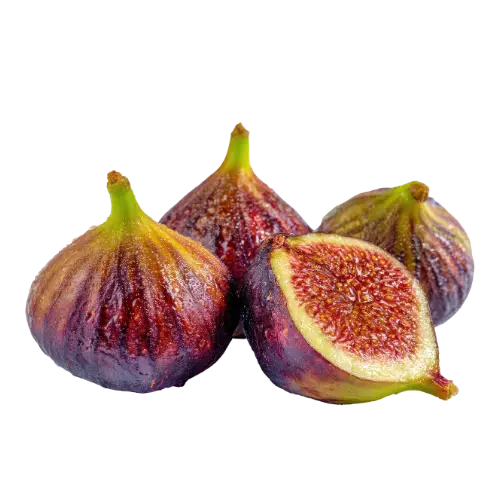
Figs are the sweet, seedy fruit (technically multiple small flowers grown into one body) that work in jams, baked desserts (fig newtons), cheese-board pairings, and any application where you want concentrated sweetness with mild floral notes. Fresh figs are seasonal (late summer); dried figs are pantry-stable year-round. A reader favorite that builds on it is Homemade Fig Newtons where the figs (fresh or dried) provide the sweet, jam-like center that defines this classic cookie.
Fresh and dried figs are similar in flavor but very different in texture and use. Fresh figs (available June-September and a brief fall season) are soft, jam-like, and best in raw applications and brief-cook preparations. Dried figs are chewy, intensely sweet, and the year-round pantry option for baking and snacking. The two are not interchangeable in most recipes.
For Black Mission figs versus Brown Turkey figs versus Calimyrna figs, the differences are subtle. Black Mission (the most common American variety) is dark purple-black, smaller, and sweet. Brown Turkey is larger, milder, with brownish-purple skin. Calimyrna is green-skinned with golden flesh, slightly nuttier. Any of the three work in most recipes.
For cheese board applications, fresh figs paired with sharp blue cheese, gorgonzola, or aged manchego is the classic Mediterranean combination. The sweet, jammy fig balances the salty, pungent cheese. The standard plate is 4-6 fresh figs (sliced in half) + 4-6 oz cheese per person + honey drizzle + crackers or crusty bread.
For prosciutto-wrapped figs, wrap half-slices of prosciutto around fresh figs, secure with a toothpick if needed, broil 2-3 minutes until the prosciutto is slightly crispy. The combination of sweet fruit and salty cured meat is universally popular.
For fig newton-style cookies, dried figs are the filling ingredient. The technique is to soak chopped dried figs in warm water 15 minutes, blend with sugar and lemon juice into a paste, sandwich between two layers of pastry, bake until golden. The result is similar to commercial fig newtons but more flavorful.
For jam and preserves, fresh figs cook down with sugar into a thick, jam-like spread. The standard recipe is 2 pounds fresh figs + 2 cups sugar + 1/4 cup lemon juice + 1 vanilla bean, simmered until thick (about 45 minutes), processed in jars for shelf-stable storage. The lemon adds the acidity that fresh figs lack.
For dried fig appetizers, soak whole dried figs in port or red wine for 24 hours, stuff with a small piece of blue cheese, wrap with bacon, bake until the bacon is crisp. This is a more substantial appetizer than fresh fig versions, suited for fall and winter entertaining.
For storage, fresh figs are highly perishable; keep 2-3 days refrigerated maximum. Buy figs you’ll use immediately and don’t try to extend their shelf life. Dried figs keep 6-12 months at room temperature in a sealed container. Browse dates and prosciutto for closely related ingredients.
Good fig recipes include fig tarts, cakes, salads, jams, and roasted fig dishes. Figs are also commonly paired with cheese for simple appetizers. Their natural sweetness works well in both desserts and savory recipes like salads or roasted meat dishes.
Figs can be roasted, baked, or simmered into sauces and jams. To roast, place halved figs on a baking sheet, drizzle with a little oil or honey, and cook until soft. They can also be added to desserts or gently cooked on the stovetop for fillings.
Figs pair well with cheese, nuts, honey, meats like prosciutto, and baked goods. Their sweet flavor balances salty and savory ingredients. They are often used in salads, appetizers, and desserts for added depth and natural sweetness.
Figs provide fiber, vitamins, and natural sugars that support digestion and overall health. They are a nutritious ingredient for snacks and recipes. Figs can be eaten fresh or dried and are often used to add sweetness without refined sugar.