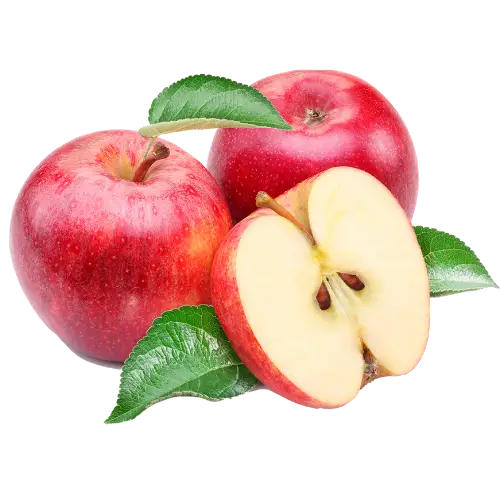
Apple variety choice changes the finished dish more than most home cooks notice. Granny Smith apples are tart, firm, and hold their shape during baking. The standard pie apple. Honeycrisp apples are sweet, crisp, and best raw. They go mealy when cooked. Braeburn apples are aromatic and hold shape. They work in pies, tarts, and any baked application where structure matters. Gala apples are softer and sweeter. They break down into applesauce-style texture, which works for sauces and butters but fails in pies. Tossing peeled apple slices with lemon juice prevents browning and adds bright acid that balances the natural sweetness, making most apple varieties more forgiving across recipe types.
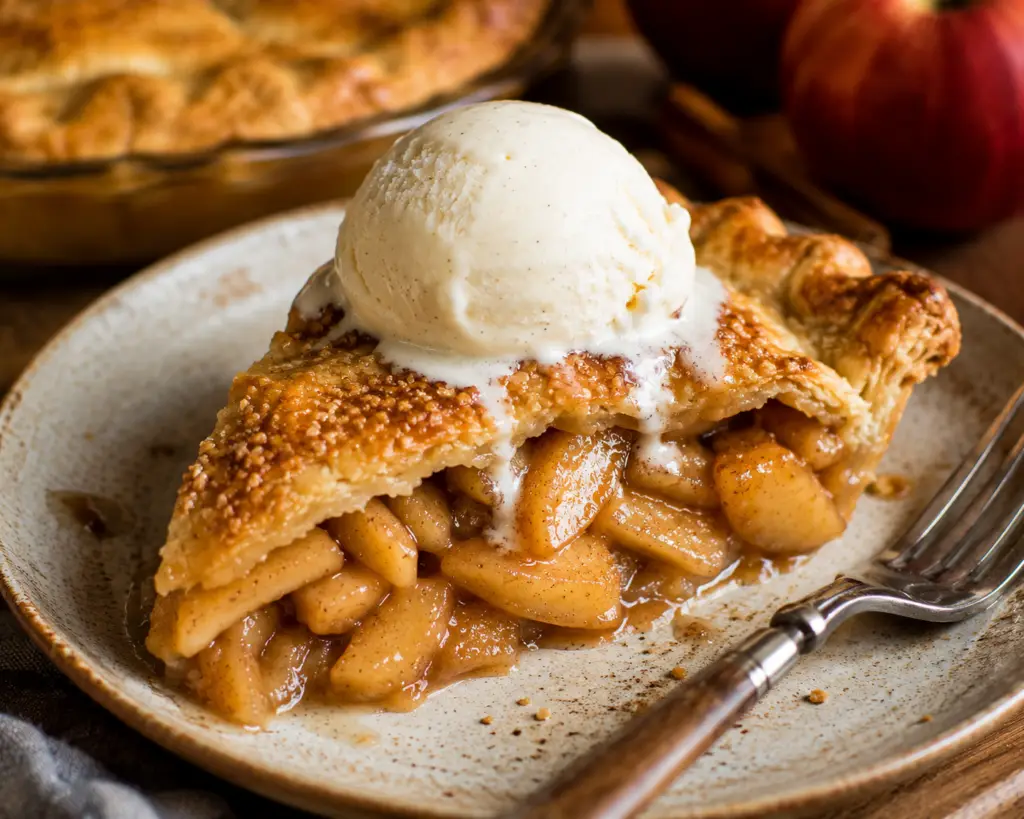
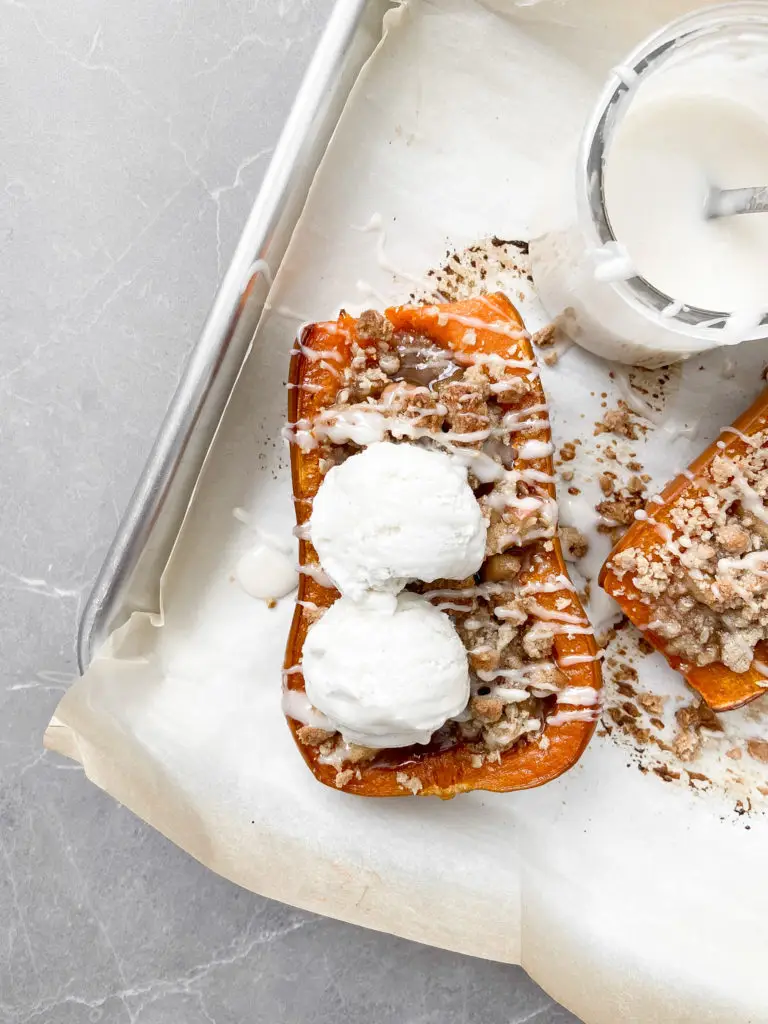
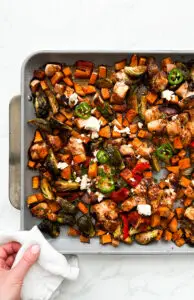
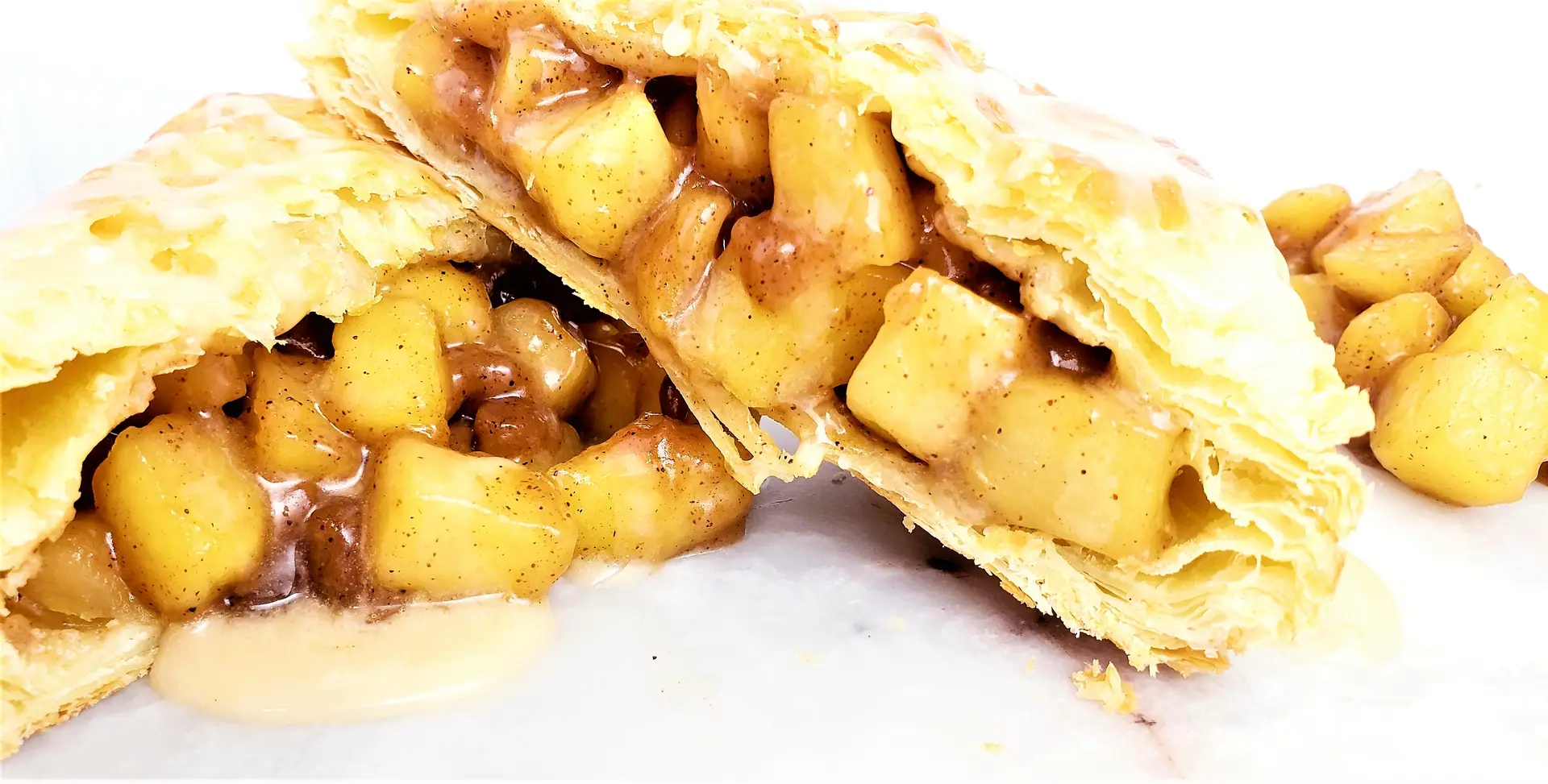
For pies, tarts, and turnovers, the apple needs to hold its shape during the long bake. Granny Smith, Braeburn, and Mutsu are the standard pie apples for this reason. Mixing varieties (half Granny Smith for tartness, half Braeburn for sweetness) produces a more complex flavor than either alone. Maple Roasted Honeynut Squash uses diced apple in the roasted side dish format, where the apple sweetens against the savory squash and the maple syrup ties them together.
For applesauce and apple butter, the goal is opposite. You want the apples to break down completely. McIntosh, Gala, and Cortland are the right varieties for this use. The standard applesauce technique: peel and chop the apples, cook with a small amount of water until soft (20-25 minutes), then mash or blend. Add ground cinnamon, a pinch of nutmeg, and sugar to taste. Apple butter is the same process extended. Cook the sauce down for 4-6 hours until dark and thick. Both keep in the fridge for 2 weeks and freeze for 6 months.
For savory apple applications, the tart varieties work best. Granny Smith in salads adds crisp and acid; in stuffings and roasted meats, the apple wedges caramelize and balance the rich proteins. Homemade Cinnamon Rolls demonstrates the dessert-style apple use, where diced apples in the filling alongside cinnamon and butter add fruit interest to the classic format. For broader fall-flavor work, apples pair particularly well with pecans where the crunch and the fruit balance produce a side dish that works as easily for Thanksgiving as for a weeknight dinner. Recipes that work with this ingredient often share territory with blueberries and peach.