Lime juice and lemon juice are not interchangeable in most recipes despite both being citrus acids. Lime is brighter, more floral, and slightly bitter; lemon is rounder, more uniformly tart, and less floral. For Mexican guacamole, Thai pad thai, Vietnamese pho, and most Latin marinades, lime is the right acid. For Mediterranean cooking, baking, and most American applications, lemon wins. Substituting one for the other shifts the dish’s regional identity entirely.
For guacamole, lime juice is the acid that prevents browning AND brightens the flavor. The standard ratio is the juice of 1 lime per 2 ripe avocados, plus salt, diced onion, cilantro, and minced jalapeño. The lime acid creates a thin oxidation barrier on the avocado surface, slowing the brown color change. Pressing plastic wrap directly onto the surface of finished guacamole adds another oxygen barrier and extends fresh-color time to 24+ hours.
For Thai cooking, lime juice is one of the four foundational flavors (sweet, salty, sour, spicy) that define the cuisine. Pad thai sauce, larb dressing, tom yum soup, and most Thai marinades use lime juice as the acid component. The pairing with fish sauce, palm sugar, and chili creates the balanced four-flavor profile that distinguishes Thai cooking. soy sauce or hot sauce can substitute for fish sauce in vegetarian adaptations, but the lime stays essential.
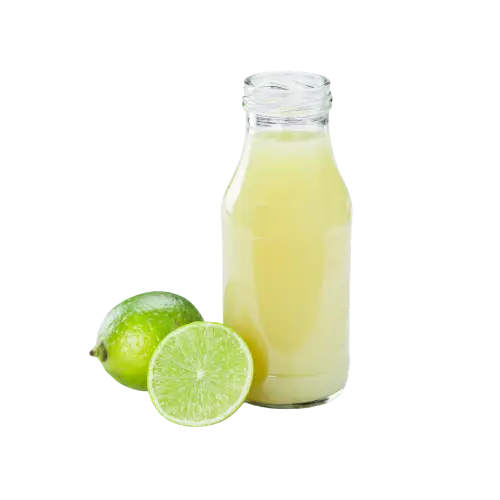
For storage, fresh limes keep 2 weeks at room temperature or 3-4 weeks refrigerated. Squeezed lime juice keeps 5-7 days in the fridge in a sealed container. To get more juice per lime, roll the whole lime firmly on the counter under your palm for 10 seconds before cutting, the rolling breaks internal cell walls and increases yield by 30-40%. Warming the lime briefly in the microwave (10 seconds) produces similar results. For lime zest applications including key lime pie and citrus-marinades, zest before juicing to make use of the entire fruit. Recipes that lean on fresh lime include Roasted Red Pepper and Cilantro Dressing where it brightens the dressing’s roasted-pepper base, and Gut Friendly Honey Mustard Dressing where lime juice cuts the honey-mustard sweetness. Browse lemon juice, orange juice, and salt for closely related cooking applications.