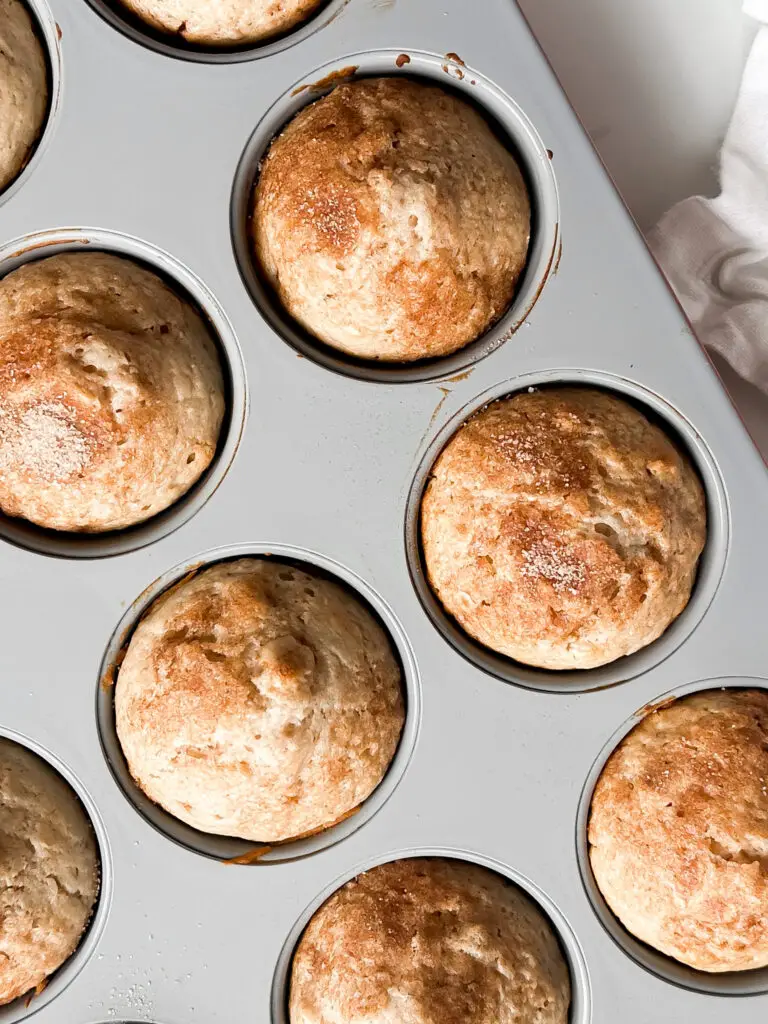
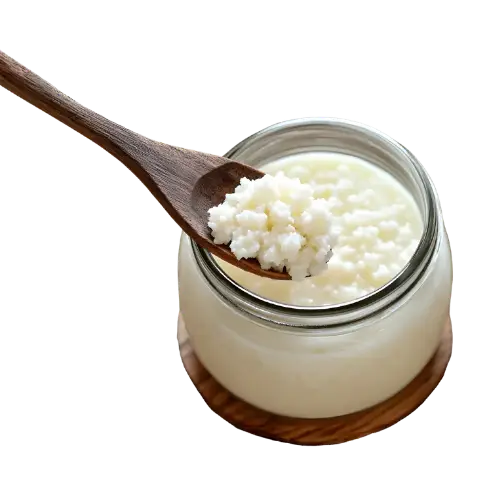
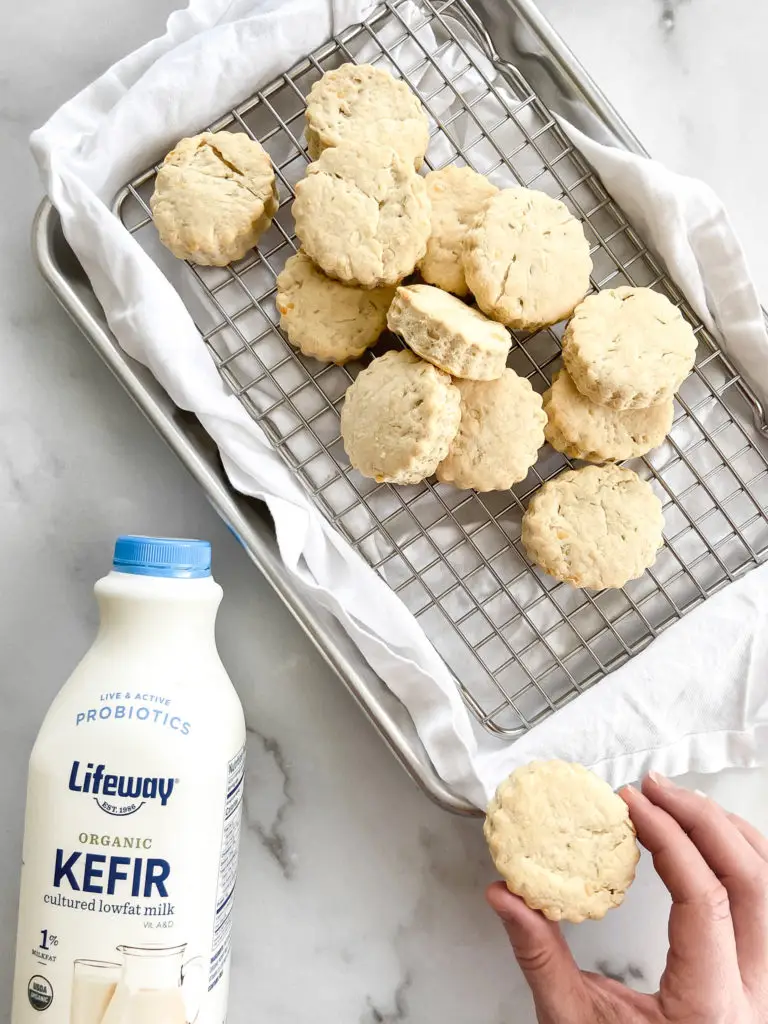
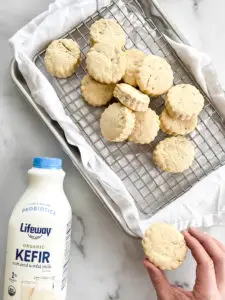
Kefir is essentially buttermilk’s gut-friendly cousin. Both are cultured dairy with tangy flavor and similar thickness; the difference is that kefir uses kefir grains for fermentation (producing multiple strains of bacteria and yeasts) while buttermilk uses simpler lactic acid bacteria. For most baking applications, the substitution between the two is 1:1 with no other changes. The probiotic-and-tang benefits apply only to fresh, unheated applications , the live cultures die in baking, so the gut-health benefits apply to dressings and smoothies, not muffins. The acid that activates baking soda survives the bake, however, which is what makes kefir useful in muffin and quick-bread recipes.
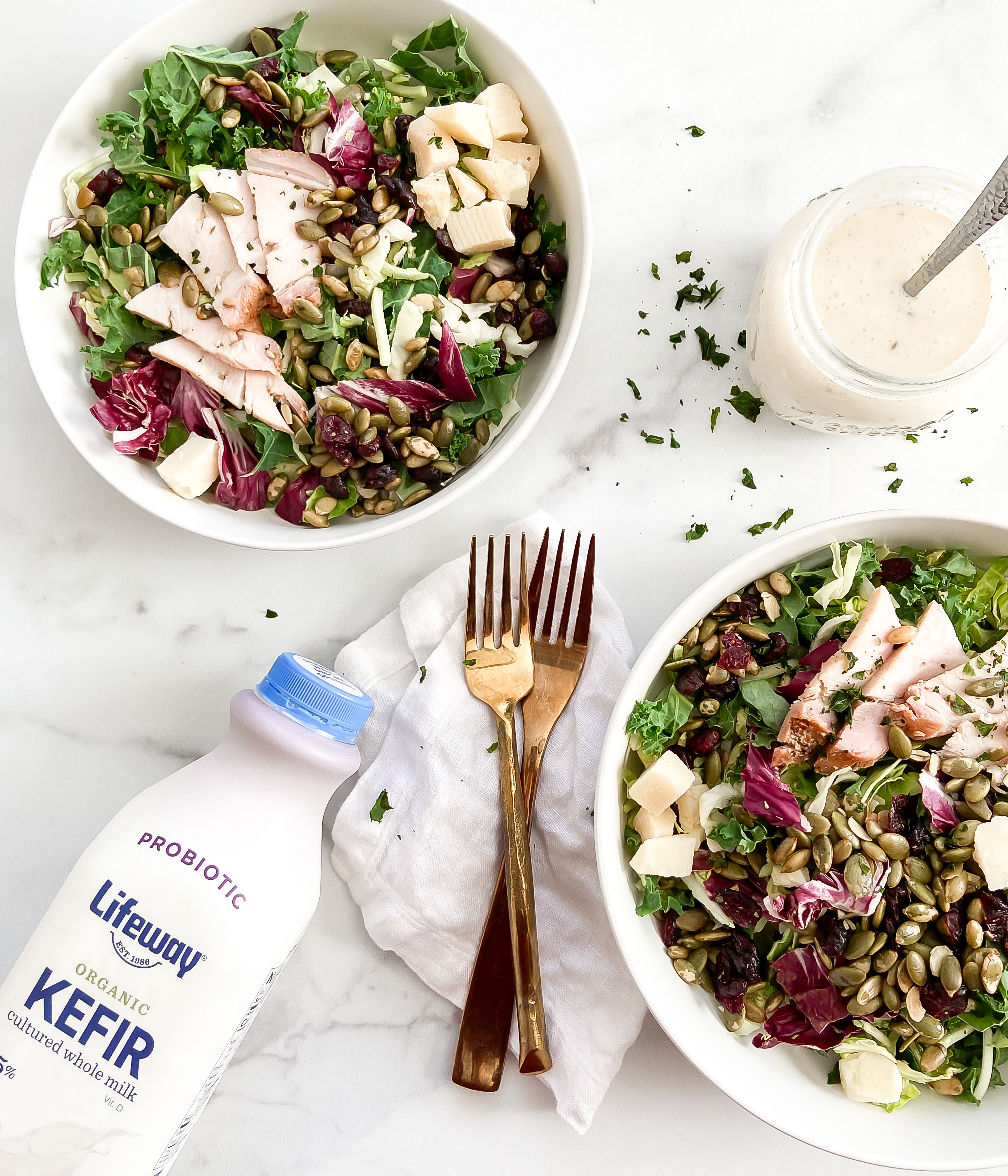
For dressings and dipping sauces, kefir is the cleaner substitute for buttermilk ranch and other dairy-based dressings. The thinner consistency means it pours and drizzles without thinning, while delivering the same probiotic benefits as plain yogurt. Gut Friendly Honey Mustard Dressing demonstrates this substitution , kefir in the base produces a dressing that pours cleanly over salads while supporting digestive health, with the Sour Cream that some recipes call for being the thicker alternative when a chunkier dressing is the goal.
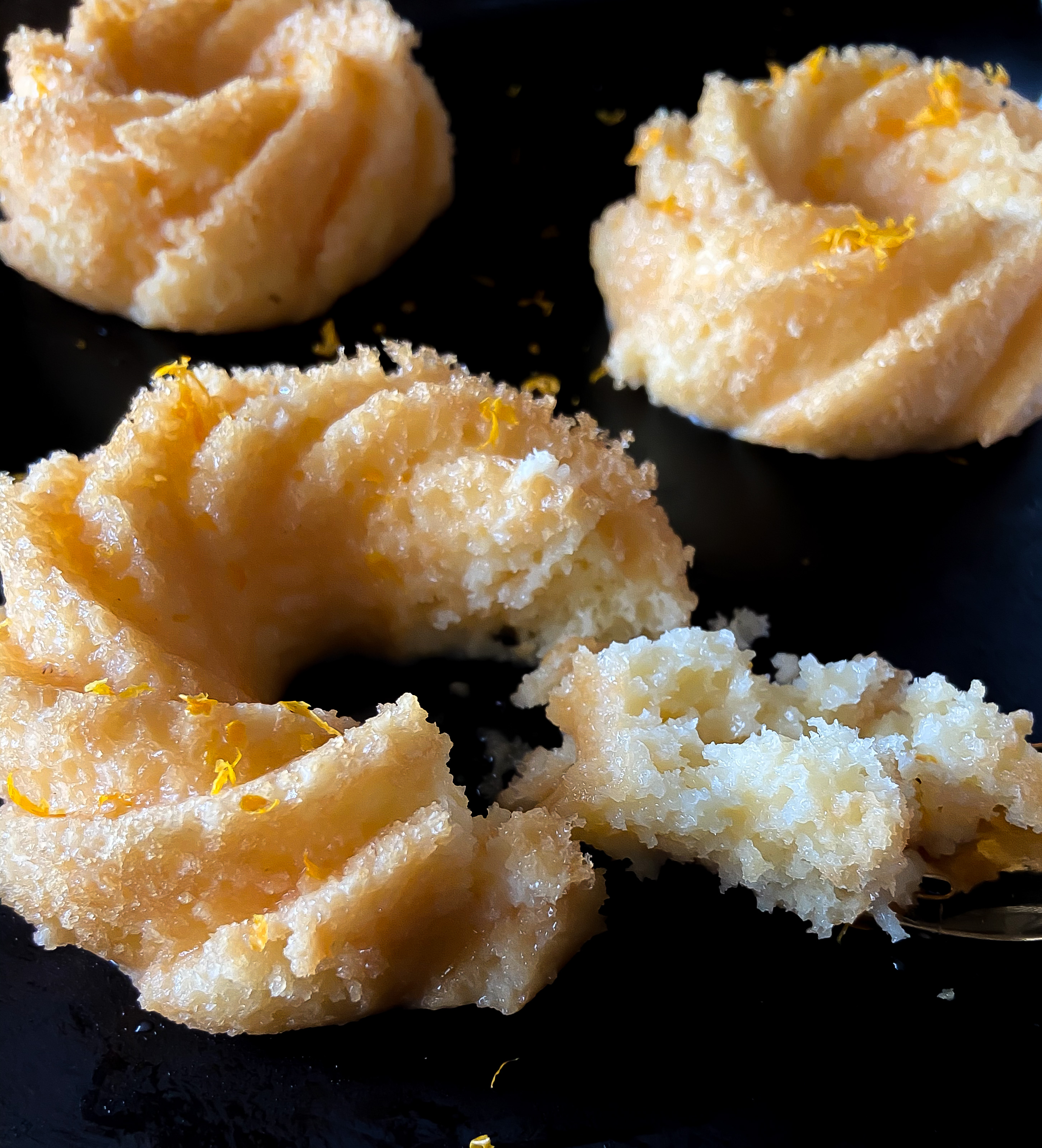
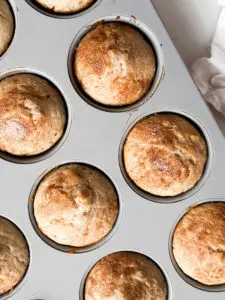
For baking applications, kefir works as a direct buttermilk substitute and activates leaveners with the same efficiency. The standard substitution is 1 cup kefir for 1 cup buttermilk in any muffin, quick bread, biscuit, or pancake recipe. The result is slightly tangier, slightly more tender than the buttermilk version. The probiotic benefits do not carry through baking, but the flavor and structural benefits do. For broader fermented-dairy applications, including overnight bread starters and slow-rise enriched doughs, kefir provides a similar acid environment to buttermilk and pairs well with honey for the natural sweetening that warm cultures handle without curdling.
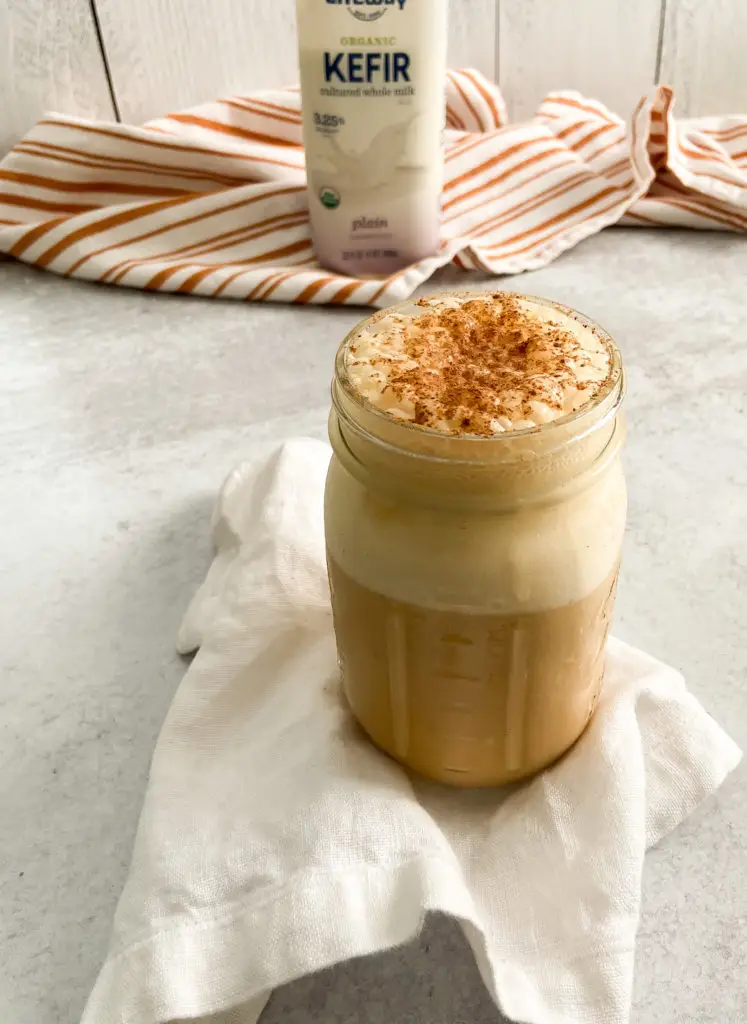
For smoothies and breakfast applications, kefir is the protein-packed liquid that works alongside frozen fruit and protein powder. The standard smoothie ratio is 1 cup kefir, 1 cup frozen fruit, optional add-ins to taste. The kefir delivers roughly 10g protein per cup (similar to milk) plus the probiotic cultures that survive the blend. Healthy Pumpkin Spice Smoothie uses kefir as the liquid base alongside pumpkin puree, where the fermented tang balances the pumpkin sweetness. The same kefir-as-base approach works in marinades for grilled meats, where the acid tenderizes the protein over 4-6 hours and the olive oil carries the seasonings into the meat fibers.