
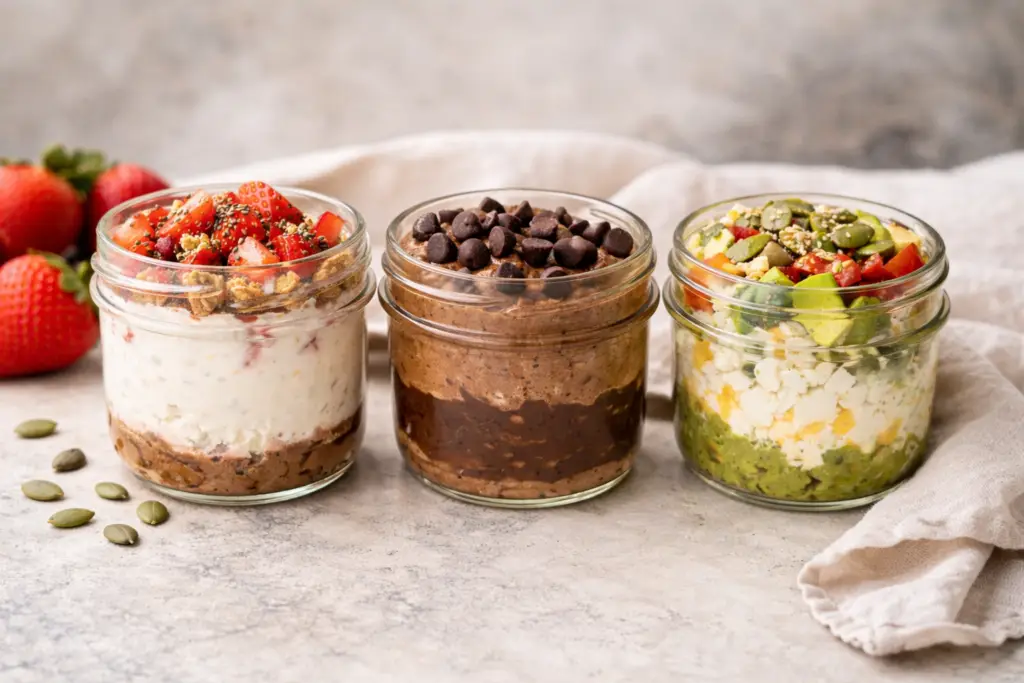
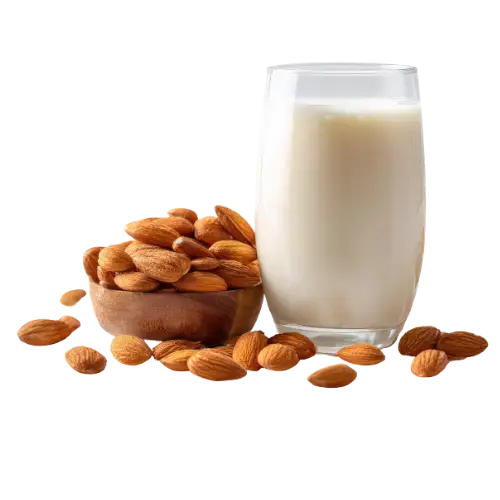
Almond milk is the most popular plant-based milk alternative in American cooking, appearing in smoothies, oatmeal, coffee drinks, and most dairy-free baking. Different versions (sweetened, unsweetened, vanilla, original) all have specific best uses, sweetened vanilla for cereal and coffee, unsweetened original for cooking and savory applications. Almond-milk-using favorites include Peanut Butter Protein Balls, Viral High Protein Cottage Cheese Breakfast Jars, and Healthy Pumpkin Spice Smoothie where the dairy-free base supports the protein-and-flavor profile without adding dairy.


Sweetened versus unsweetened almond milk are dramatically different products. Sweetened versions contain 7-15 grams of sugar per cup, nearly as much as cow’s milk has lactose. Unsweetened versions contain 0 grams of sugar and 30-40 calories per cup. For coffee and cereal where mild sweetness is welcome, sweetened works. For cooking, baking, and most savory applications, unsweetened is the right choice. The unsweetened version also has cleaner flavor that doesn’t compete with other ingredients.
Vanilla versus original almond milk also matters in baking. Vanilla adds vanilla extract to the milk, which is fine in most sweet applications but disrupts savory cooking. For savory applications (creamy soups, pasta sauces, mashed potatoes), the original unflavored version is the only correct choice. For breakfast cereals and overnight oats, the vanilla version saves an additional vanilla extract addition.
For protein smoothies (the meal-prep breakfast standard), unsweetened almond milk replaces water as the smoothie base. The standard ratio is 1 cup unsweetened almond milk, 1 scoop protein powder, 1 frozen banana, 1 tablespoon peanut butter, ice. Blend smooth. The almond milk adds 30-40 calories versus water but no meaningful sugar. Pairs particularly well with cocoa powder-based protein flavors.
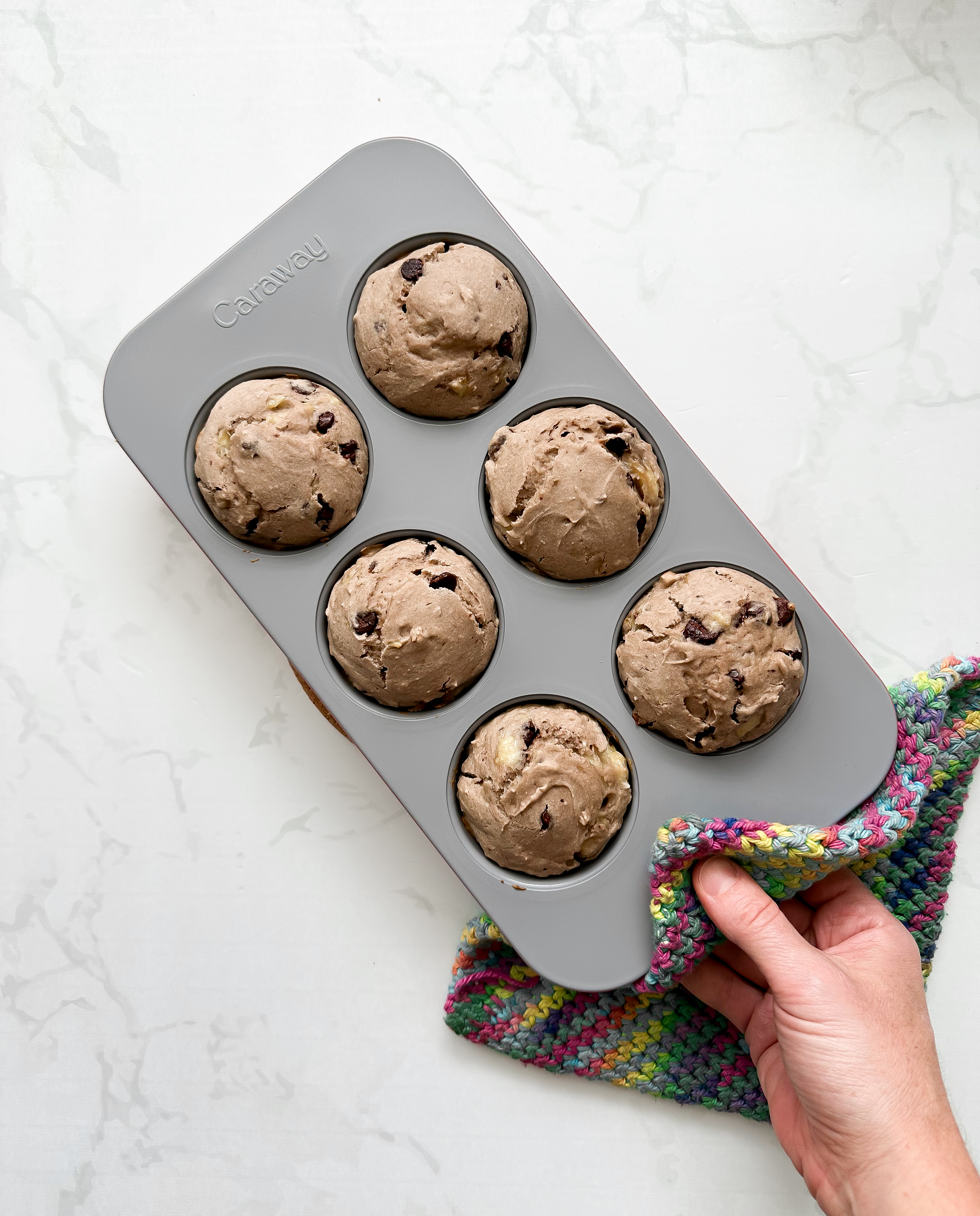
For baking applications, unsweetened almond milk substitutes 1:1 for cow’s milk in most recipes. The slightly thinner consistency may require 1 tablespoon less per cup for very precise recipes (custards, puddings) but works fine in cookies, cakes, and quick breads. For storage, opened almond milk keeps 7-10 days refrigerated. Shelf-stable versions (sold non-refrigerated in tetra packs) keep 12+ months unopened. The vanilla extract addition to a savory recipe inadvertently using vanilla almond milk is a common mistake. Other reader picks that build on almond milk include Chocolate Banana Overnight Oats and Banana Bread Overnight Oats. Browse full fat coconut milk, chia seeds, and salt for closely related cooking applications.
Almond milk is made by blending soaked almonds with water and then straining the mixture to remove the solids. The result is a smooth, dairy-free milk with a mild nutty flavor. You can use it in smoothies, baking recipes, oatmeal, and many dairy-free dishes.
Soak one cup of raw almonds in water overnight. Drain the almonds and blend them with about three to four cups of fresh water until smooth. Strain the mixture through a nut milk bag or fine cloth to separate the liquid from the almond pulp. Store the almond milk in the refrigerator and use it within a few days.
Almond milk is commonly used in smoothies, pancakes, muffins, oatmeal, soups, and creamy sauces. It works well in many baking recipes and dairy-free desserts. Replace regular milk with almond milk in the same measurement to make many dishes dairy-free.
Good substitutes for almond milk include oat milk, soy milk, coconut milk, or regular dairy milk if dairy is not an issue. Choose a substitute based on the recipe. For baking and smoothies, most plant-based milks can replace almond milk using the same amount.
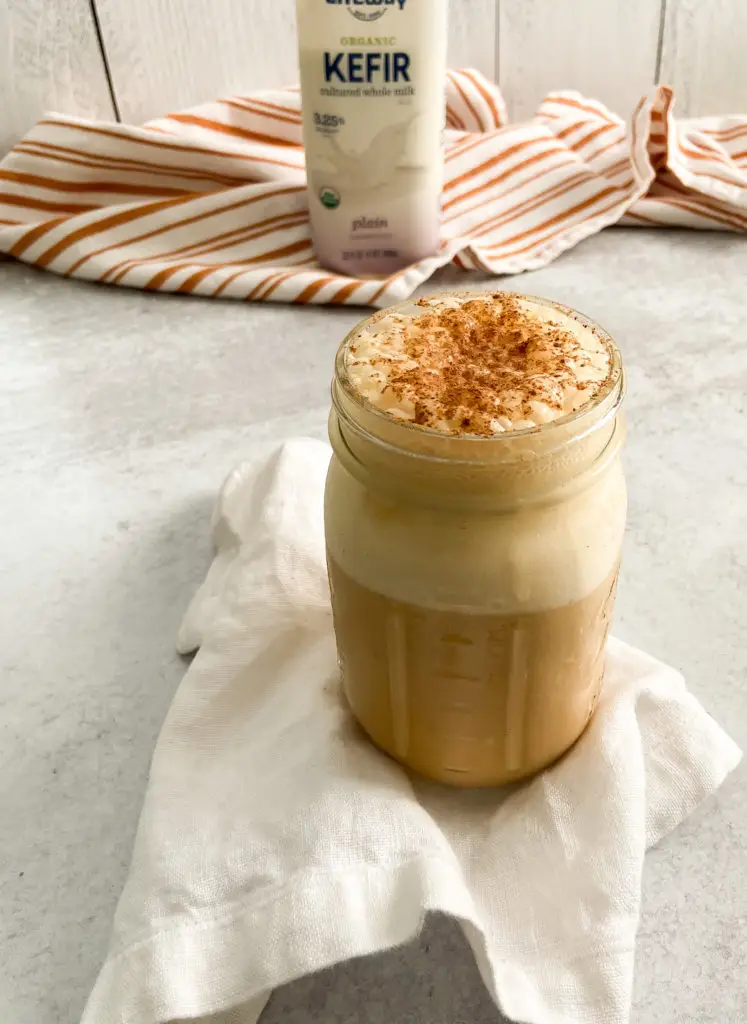
For more dairy-alternative and protein-dense options, see our kefir and plain greek yogurt recipes.