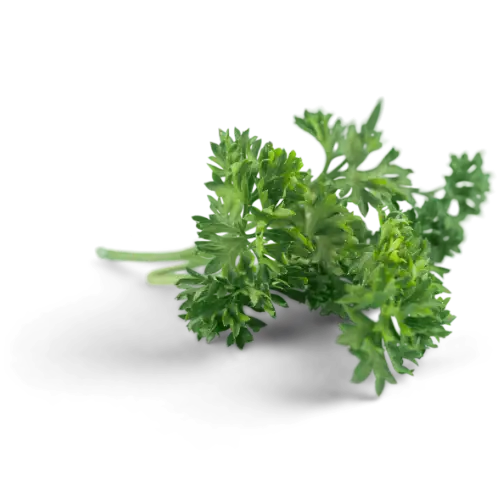
Flat-leaf and curly parsley are not equivalent in cooking. Flat-leaf has a brighter, more peppery flavor that holds up to cooking; curly parsley is milder and works better as a garnish. Most home cooks should default to flat-leaf for anything beyond decoration. The fresh-versus-dried distinction that applies to most herbs also applies here , dried parsley loses most of its flavor and brightness, working only in dry rubs and seasoning blends where the fresh version cannot survive the storage time. A pinch of dried parsley plus a squeeze of lemon juice approximates the fresh herb’s brightness in a pinch but not the texture.
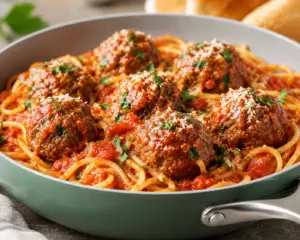
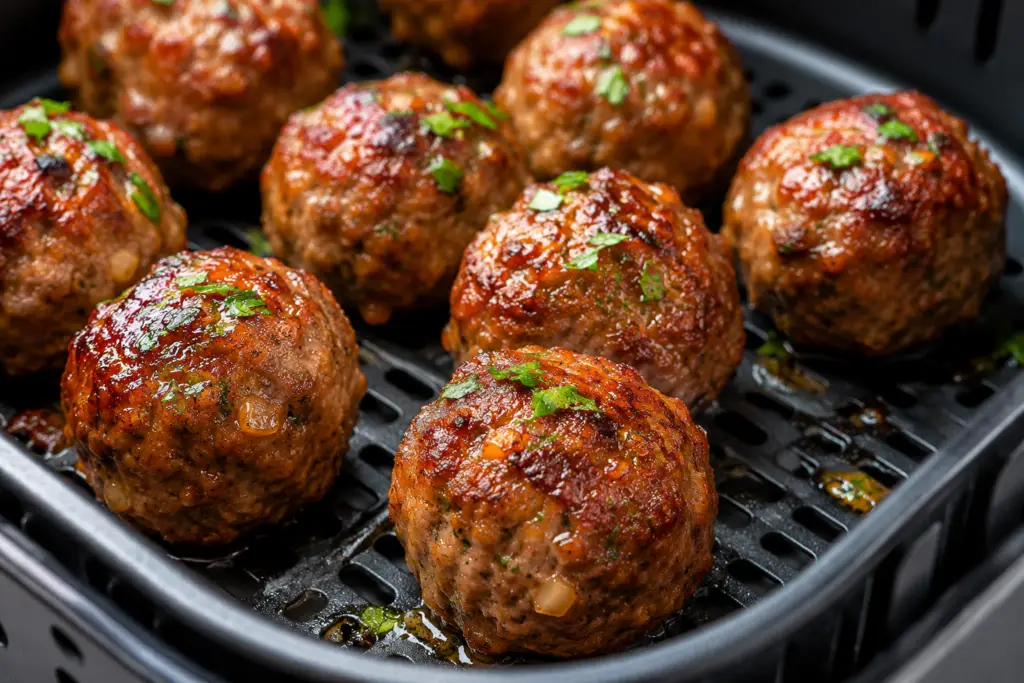
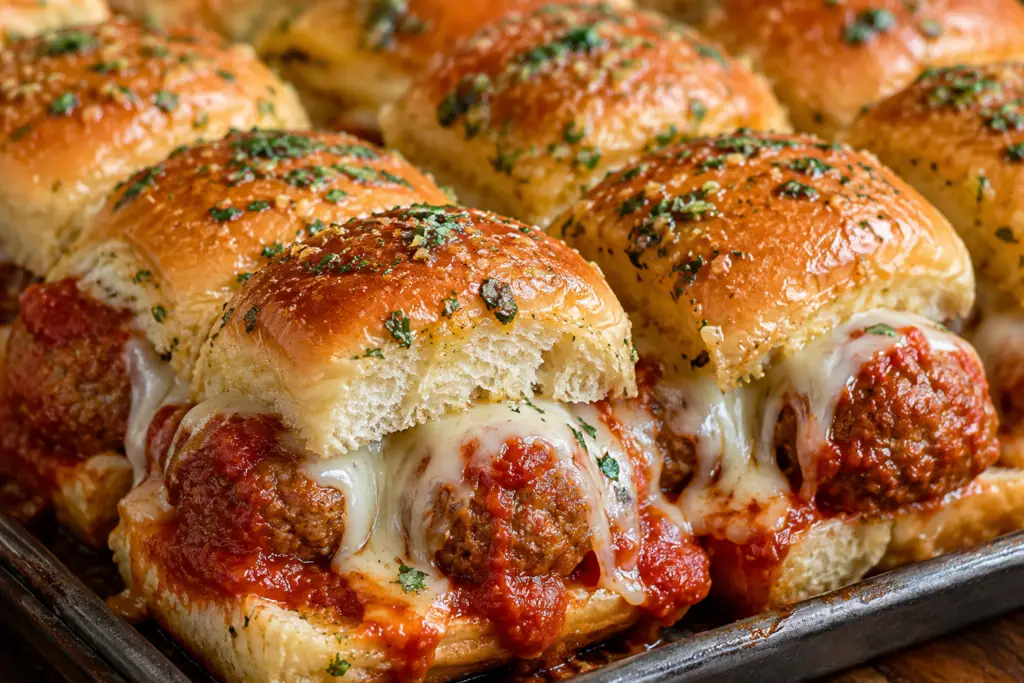
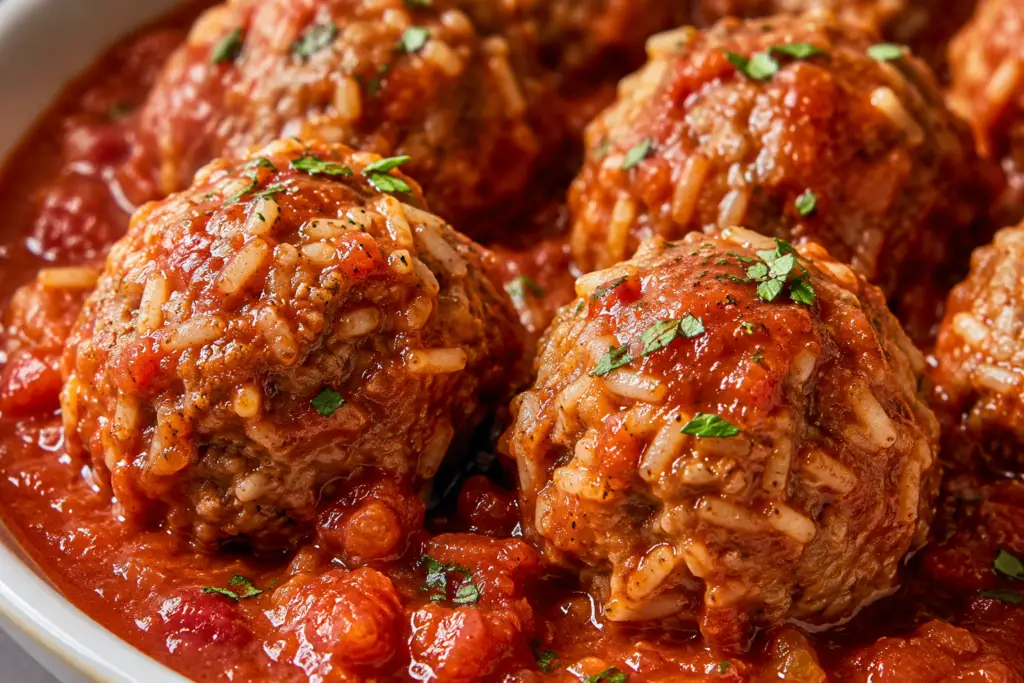
For ground meat applications, parsley is the herb that lifts heavy meat dishes out of one-note territory. A tablespoon of chopped parsley folded into a meatloaf, meatball, or burger mix adds freshness that no dried herb can replicate. The Best Slow Cooker Goulash demonstrates the technique on a long-cook dish: parsley goes in at the end of the cook, off heat, so the fresh herb keeps its bright color and pepper bite alongside the oregano that has been simmering the entire time.
For sauces and finishing, parsley is the standard fresh herb for chimichurri, gremolata, and most green-sauce applications. Chimichurri (parsley, garlic, oregano, vinegar, olive oil) is the South American sauce that elevates grilled meats without requiring a marinade. Gremolata (parsley, garlic, lemon zest) is the Italian finishing condiment that goes on osso buco and roasted vegetables. Both are 5-minute preparations that turn a basic meal into a finished one. Chicken Francese uses chopped parsley in the pan sauce, where the fresh herb goes in at the very end and brightens the lemon-butter base.
For storage, parsley follows the same rule as cilantro: trim the stems, stand the bunch in water in the fridge, cover loosely with a plastic bag. Stored this way, parsley lasts 10-14 days instead of 2-3. The stems themselves are flavorful and edible , discard them only if very thick or tough. Chopped parsley stems work in stocks and braises where the texture matters less; the leaves are reserved for finishing applications where appearance matters. thyme can be paired with parsley in mixed-herb finishing work, where the heartier thyme contributes its woody base notes alongside parsley’s bright top notes.