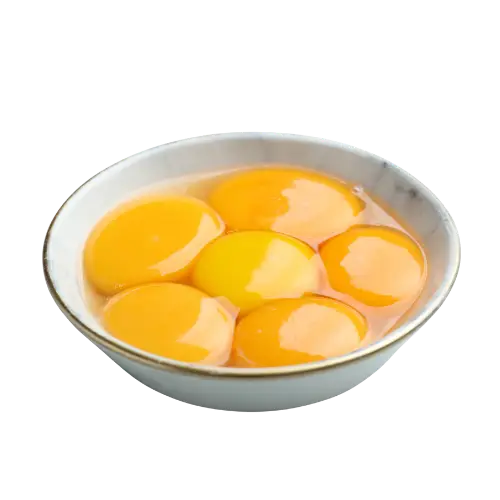
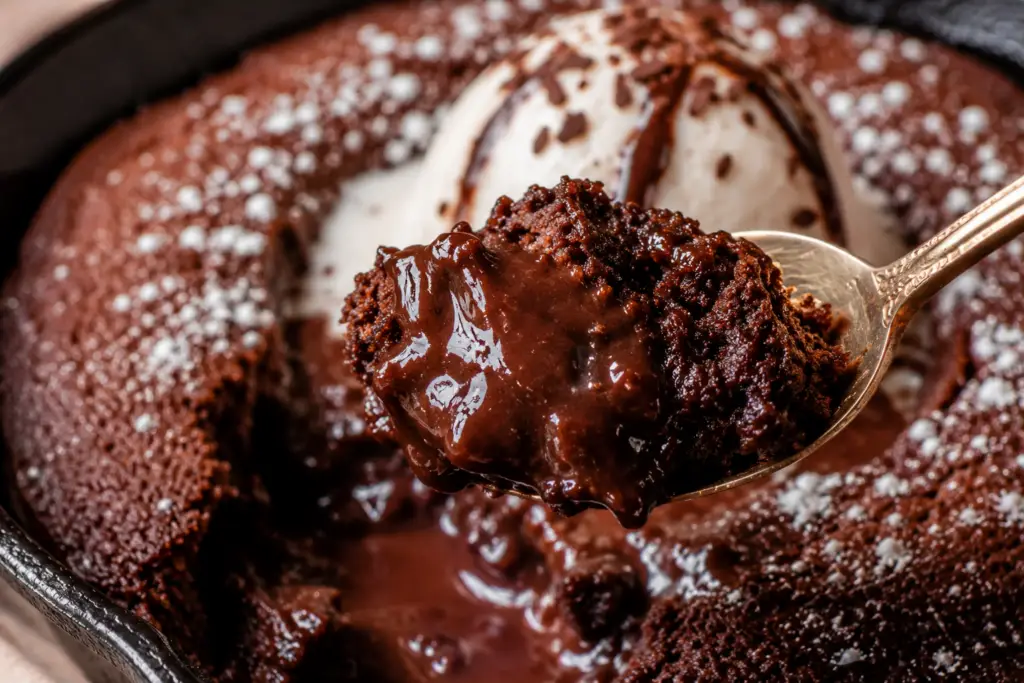
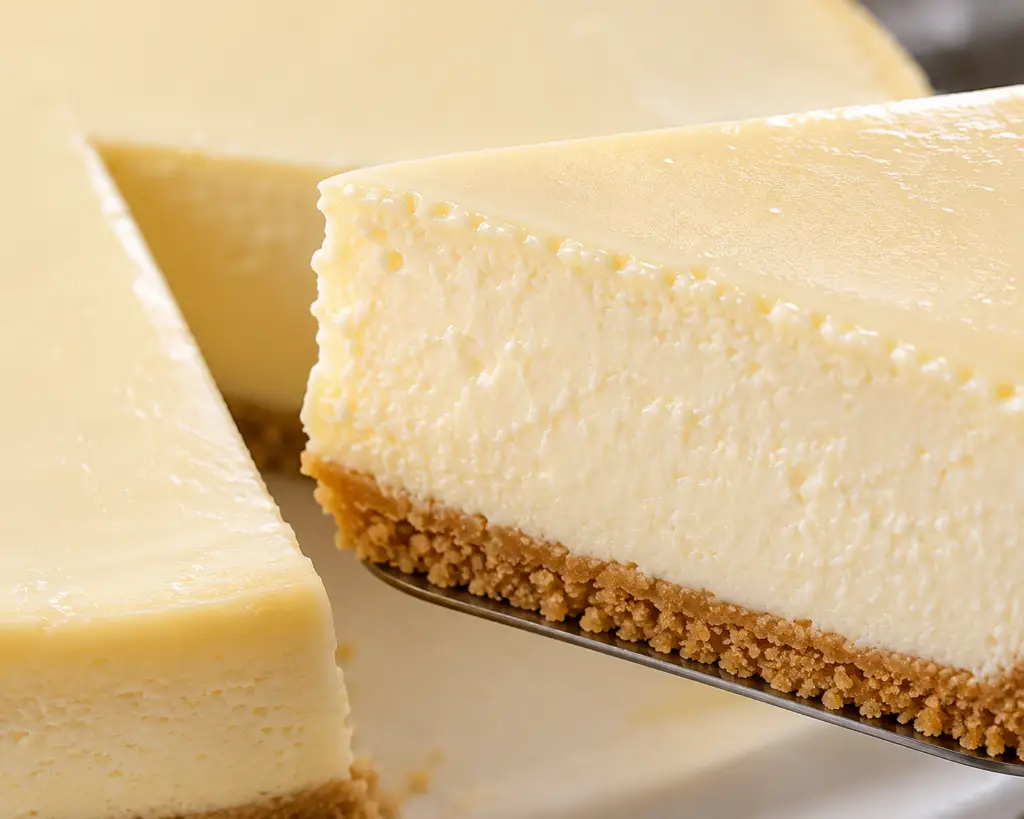
Egg yolks contain the fat, the protein structure for emulsification (lecithin), and most of the egg’s flavor. Recipes that call for yolks alone are doing one of three things: building a custard (where the proteins set into a smooth gel when cooked gently), building an emulsion (mayonnaise, hollandaise, aioli), or enriching a dough or batter (pasta, brioche, pastry cream). The whites would either dilute the richness or interfere with the desired texture in each case.
For creme brulee and other baked custards, the technique is to whisk yolks with sugar, then slowly stream in warm cream while whisking constantly (tempering). Bake in a water bath at 325°F until barely set in the center, the custard finishes setting as it cools. The brulee crust on top comes from sprinkling granulated sugar on the chilled custard and torching it until amber. The vanilla extract added to the cream is what makes the difference between average creme brulee and bakery-style.
For homemade ice cream, the French (custard-based) method uses 6-8 yolks per quart of base, which produces the dense, smooth, rich texture characteristic of premium store-bought brands. The Philadelphia (no-yolk) method skips the custard step entirely but produces a lighter, icier final result. heavy cream as the dairy base further amplifies the richness. For chocolate, coffee, and caramel ice creams, the custard method is the right choice. For fruit sorbets and lighter ice creams, the no-yolk method works better.
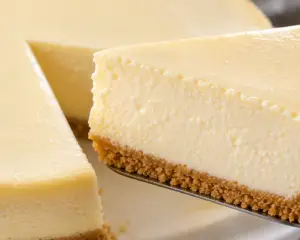
For storage, leftover yolks keep 2 days in the fridge in an airtight container with a small amount of water covering them (prevents the film). Whites keep 4-5 days in the fridge or 6 months frozen in ice cube trays. The waste-not approach means yolk-only recipes pair naturally with whites-only recipes (meringues, angel food cake, pavlova) for efficient cooking. eggs sold as whole eggs at the grocery store work fine; specialty ‘egg yolks in a carton’ products work too but cost noticeably more per yolk. Egg-yolk-forward recipes include Viral Burnt Basque Cheesecake where yolks give the cheesecake its custard-like center, and Creamy Cottage Cheese Pasta Sauce where yolks emulsify the pasta sauce. Browse butter, eggs, and salt for closely related cooking applications.