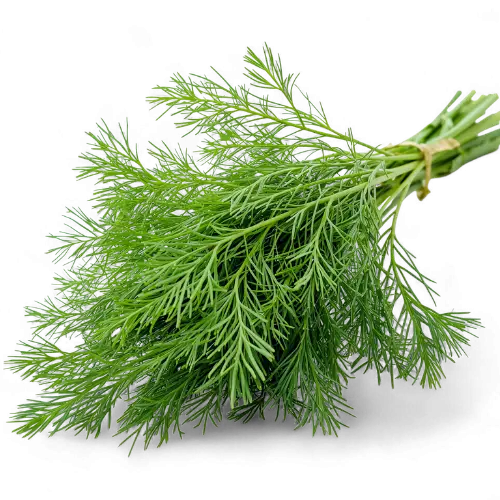
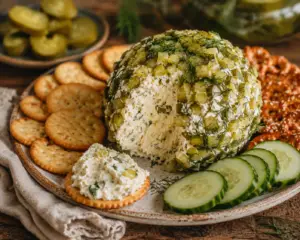
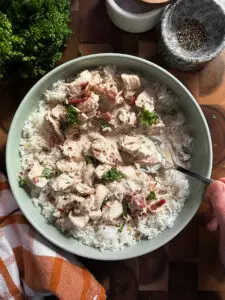
Fresh dill and dried dill are not interchangeable. Fresh dill has a brighter, more aromatic flavor that suits cold applications. Dips, dressings, salads, finishing fish. Dried dill is milder and slightly grassy, working in cooked applications where the fresh herb’s volatile oils would dissipate anyway. The substitution rule is 1 teaspoon dried for every 1 tablespoon fresh, but the result will taste muted. parsley is the closest fresh substitute when dill is unavailable.
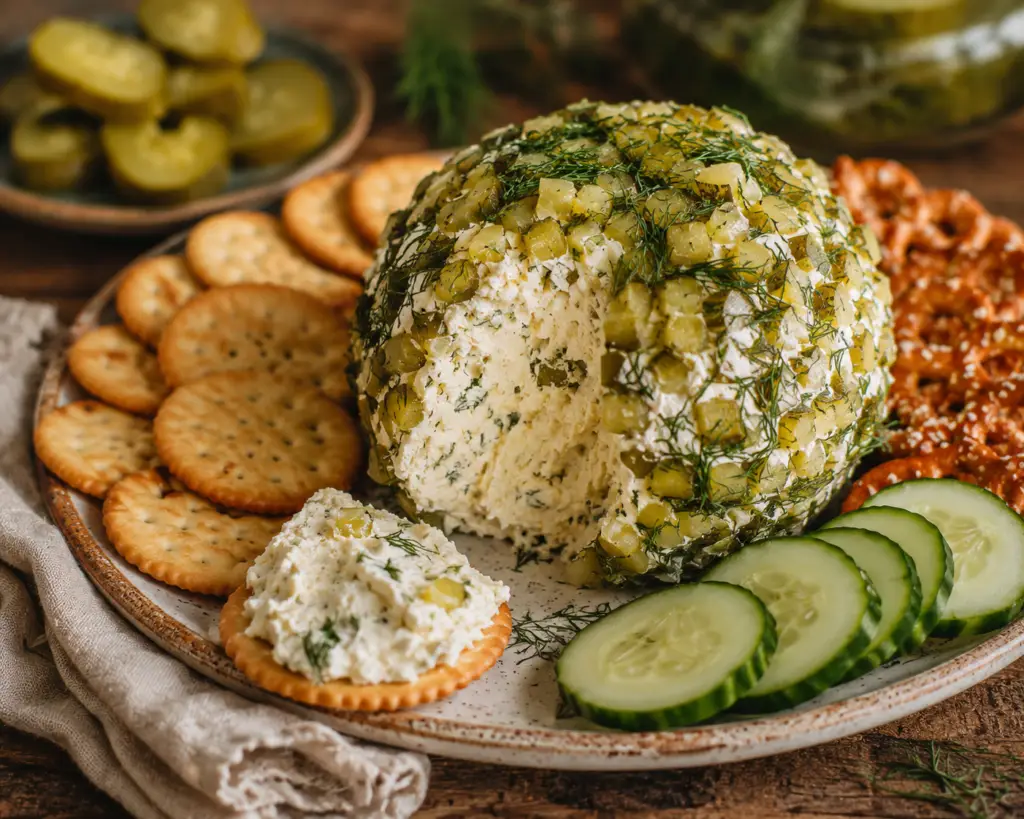
For tzatziki and yogurt-based dips, dill is the defining herb. The standard recipe is Greek yogurt, grated cucumber (drained), garlic, lemon juice, salt, dill, and a drizzle of olive oil. Fresh dill chopped right before mixing produces the brightest result; pre-chopped dill loses flavor within hours. Pairing dill with sour cream produces classic American ranch-adjacent dressings.
For seafood, dill is the standard herb in Scandinavian cooking. Gravlax (cured salmon) is rolled in a salt-sugar-dill mixture and cured for 48 hours. Poached salmon with dill cream sauce is the Sunday-dinner classic. Even a simple pan-seared white fish becomes restaurant-style with a quick dill-and-lemon butter sauce poured over at service. The thyme pairing in heartier fish preparations adds depth that dill alone cannot deliver. On the site, recipes featuring this ingredient often appear alongside parsley, chives, and thyme.
For storage, fresh dill stays usable in the fridge for 5-7 days. Trim the stems, stand the bunch in a glass of water, cover loosely with a plastic bag. The same storage method works for cilantro and parsley. Drying dill at home is straightforward. Hang upside down in a dark dry spot for 7-10 days, then crumble into a sealed jar. The home-dried version retains more flavor than the supermarket dried-dill jars that have sat on shelves for months. Browse oregano for closely related cooking applications.