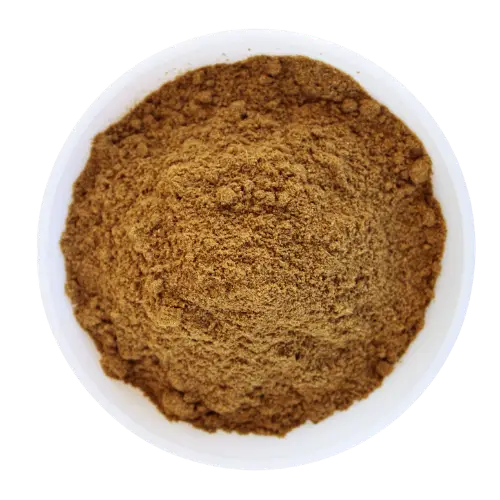
Ground cumin and whole cumin seeds are the same spice in different forms. Ground cumin is more convenient and distributes evenly through batters and rubs; whole seeds produce more pronounced texture and burst of flavor when bloomed in oil at the start of cooking. For Indian and North African applications where the cooking method involves blooming spices, whole seeds give better results. For Mexican and most American applications, ground is the workhorse choice.
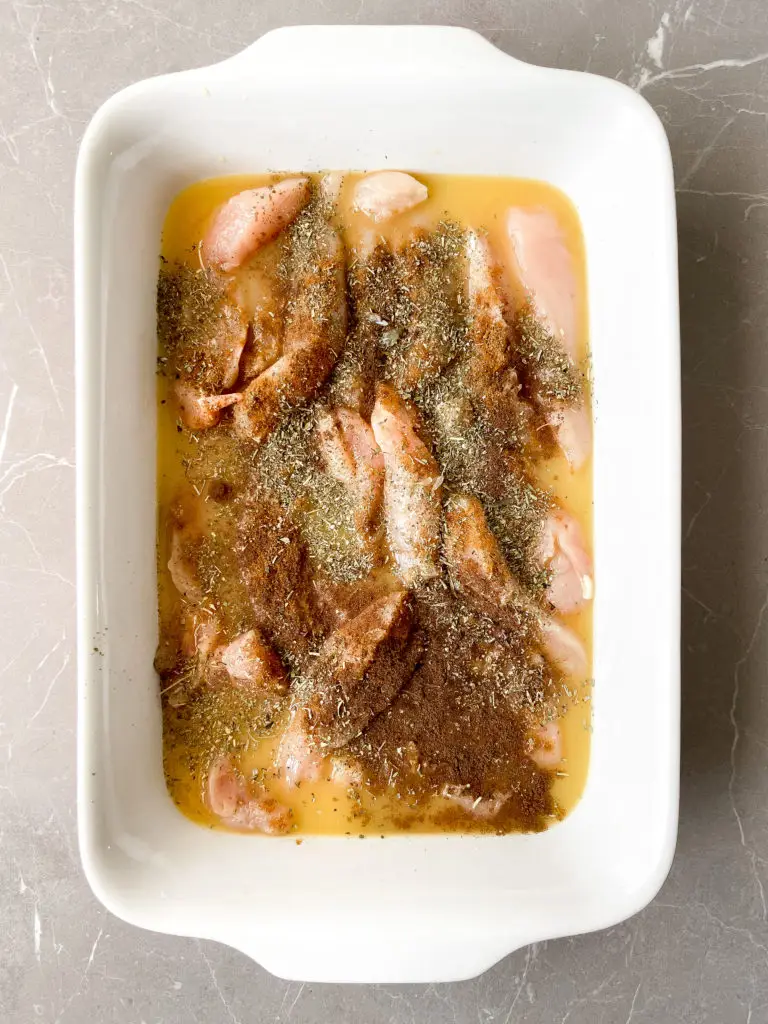
For taco meat applications, cumin is the dominant spice in the seasoning blend alongside chili powder, garlic powder (used in The Best Ground Beef Meatballs and Simple Must Try Onion Boil), onion powder (seen in Chicken Cordon Bleu Casserole and Cajun Chicken), and paprika (such as in Healthy Chicken Wrap and Halal Chicken and Rice). The standard ratio is 1 teaspoon ground cumin per pound of ground beef. Adding the cumin at the same time as the other spices and toasting briefly in the rendered beef fat releases the flavor compounds before liquid hits the pan.
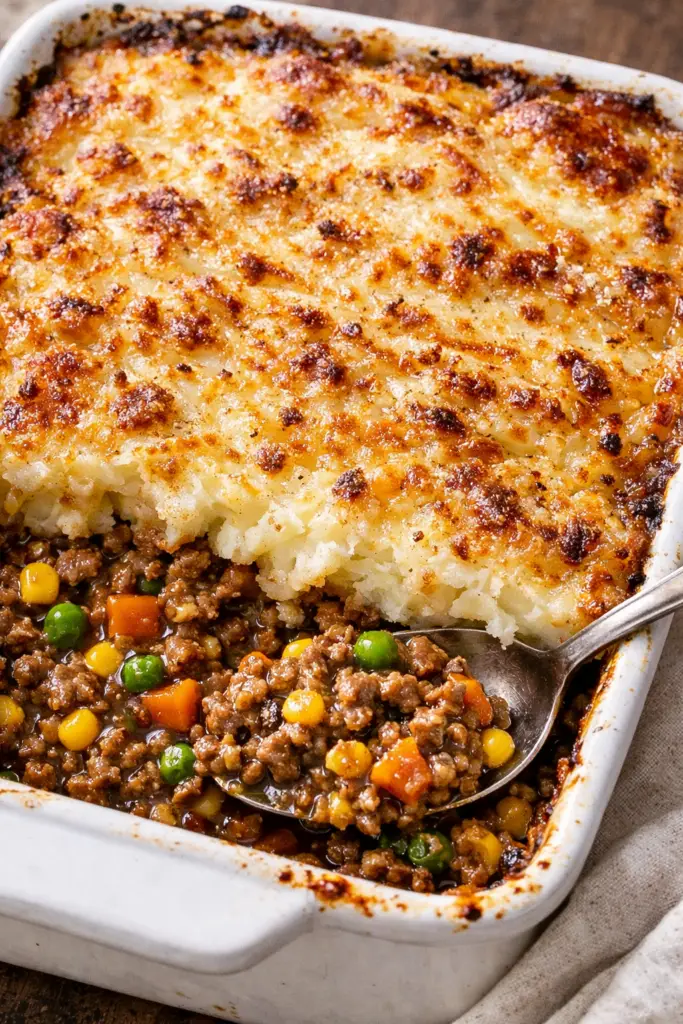
For burrito and Mexican-American applications, cumin works alongside paprika and oregano (as in Ground Beef and Tater Tot Casserole and Chicken Marbella) to build the layered flavor profile. The amount is similar to taco meat, around 1 teaspoon per pound of beef, and the spice goes in during the browning step rather than at the end. The same approach works in chili, fajita seasoning, and any Tex-Mex protein.
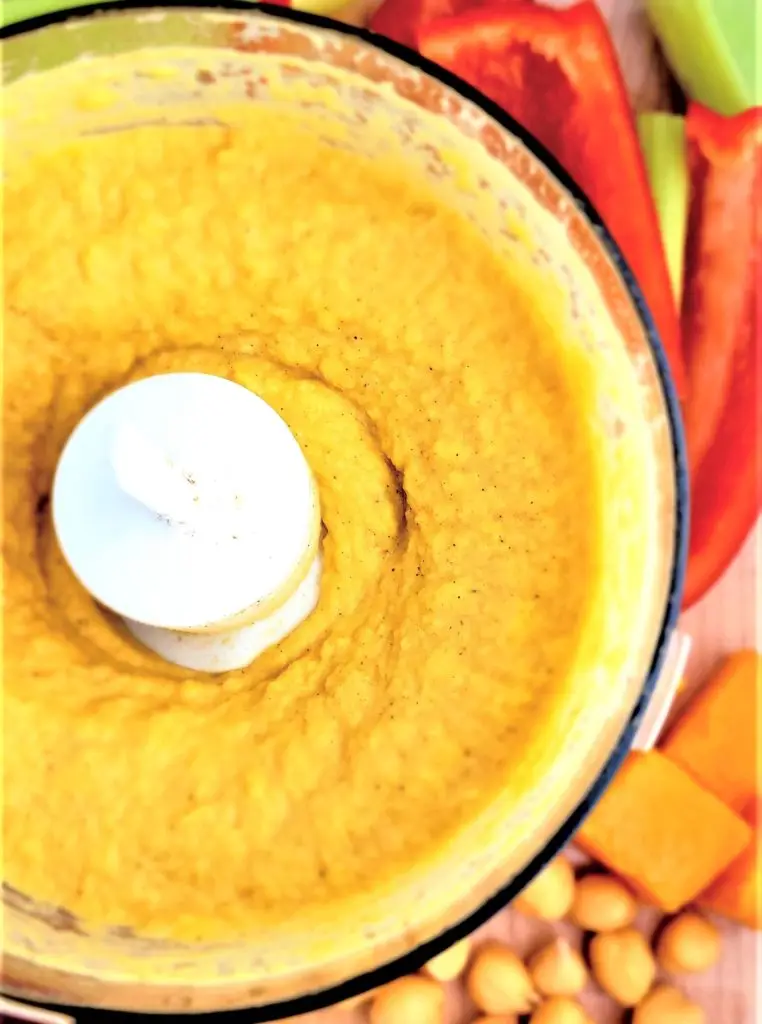
For hummus and Middle Eastern dips, cumin is the warm undertone that distinguishes restaurant-style hummus from plain blended chickpeas (used in One Pot Eggplant Curry and One Pot Moroccan Lettue Wraps). The standard amount is 1/2 teaspoon ground cumin per 1 can (15 oz) of chickpeas, blended into the puree along with the tahini, lemon, garlic, and olive oil. More than 1 teaspoon starts to dominate; less than 1/2 teaspoon disappears into the other flavors.
For Indian and North African dishes, the technique is toasting the cumin in oil for 30-45 seconds at the start of cooking, before adding aromatics. This bloom releases the volatile oils and produces the deeper, more aromatic flavor that direct addition into a finished sauce cannot match. For storage, ground cumin keeps 1-2 years in a sealed container in a cool dark cabinet.