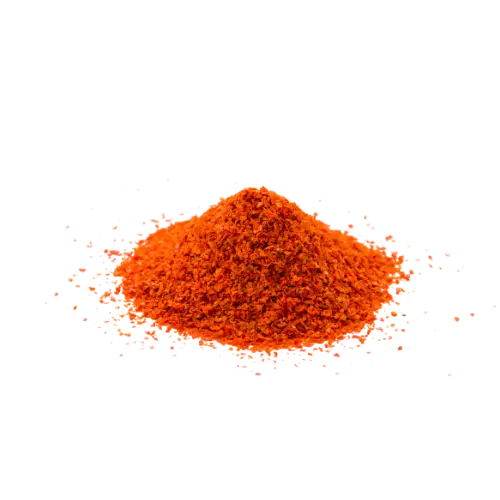
Cayenne (the ground form) and cayenne chile peppers (the whole dried form) come from the same plant but produce different results in cooking. The ground form distributes heat evenly throughout a dish. Whole dried cayennes infuse the cooking liquid and can be removed before serving. For most American recipes, ground cayenne is the default. For Italian arrabiata and infused-oil applications, whole dried chiles are right.
The standard heat level reference: 1/4 teaspoon cayenne adds noticeable heat to a 4-serving dish; 1/2 teaspoon is medium-hot; 1 teaspoon is genuinely spicy. Start with less and add more; over-cayenne is hard to fix without diluting the whole dish.
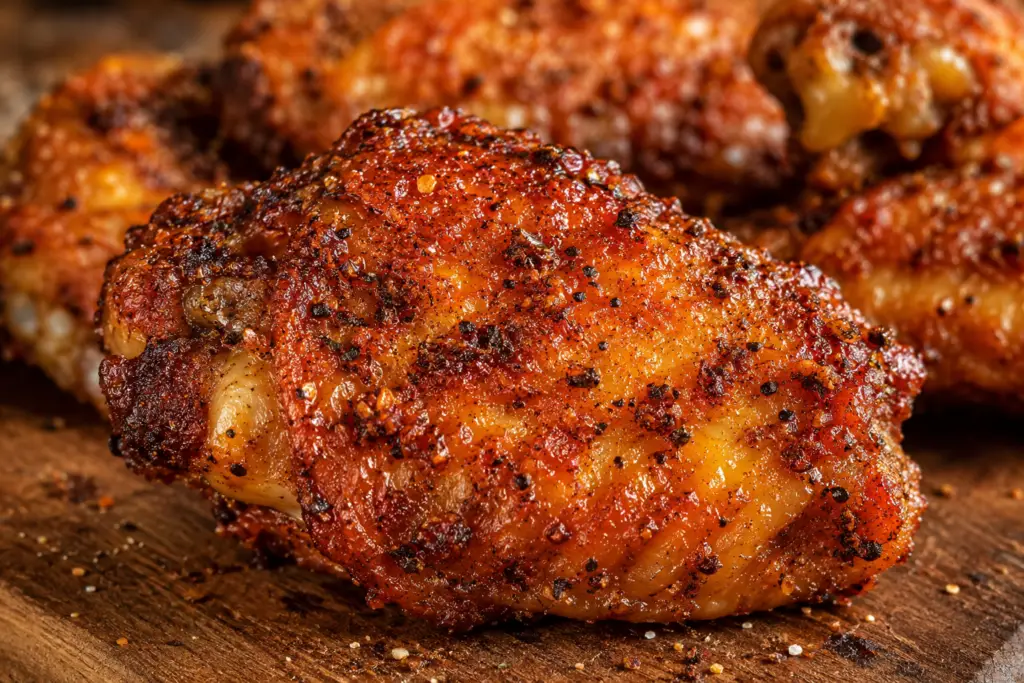
For buffalo wing sauce, cayenne is one of the foundational ingredients alongside Frank’s RedHot, butter, and a small amount of vinegar. The classic ratio is 1/2 cup Frank’s + 1/4 cup melted butter + 1 tablespoon white vinegar + 1 teaspoon cayenne + 1/4 teaspoon garlic powder. Toss with hot crispy chicken wings just before serving.
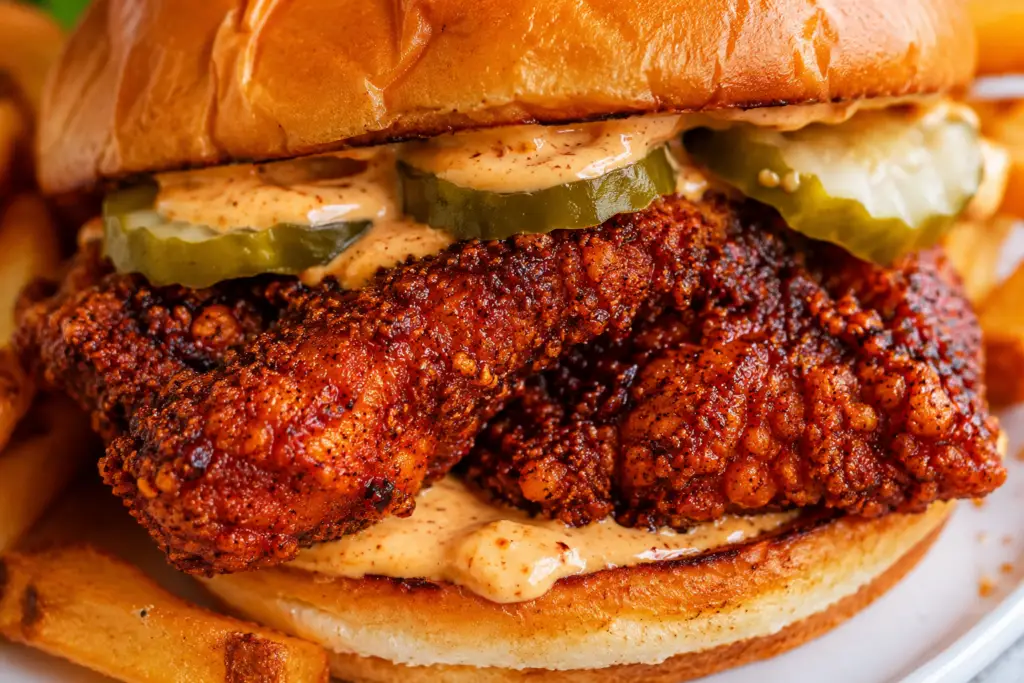
For Cajun seasoning blend, cayenne carries the heat alongside paprika, garlic powder, onion powder, oregano, thyme, and black pepper. The standard blend is 2 tablespoons paprika + 1 tablespoon each onion and garlic powder + 1 tablespoon cayenne (adjust to taste) + 1 teaspoon each dried oregano and thyme + 2 teaspoons salt + 1 teaspoon black pepper. Use as a rub for blackened fish, shrimp, and chicken. Other reader picks that build on cayenne include The Best Ground Beef Chili and Cajun Chicken. Browse paprika, chili powder, and salt for closely related cooking applications.