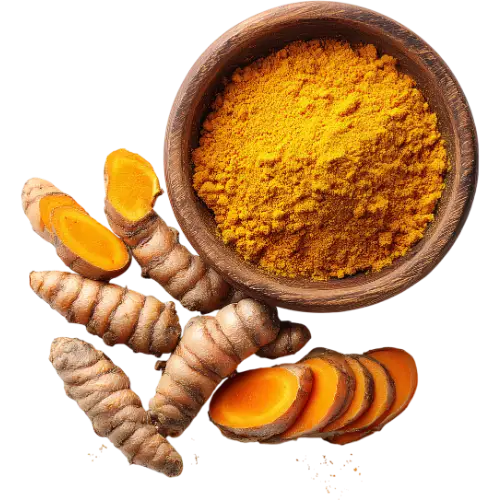
Ground turmeric and fresh turmeric root produce slightly different results. Ground turmeric is the standard for most home cooking, earthy, bitter, intensely yellow. Fresh turmeric root (looks like ginger but bright orange inside) has a brighter, citrusy edge alongside the earthy notes. Most American recipes use ground; fresh is harder to source but worth seeking out for golden milk and finishing applications. The substitution rule is roughly 1 tablespoon fresh grated per 1 teaspoon ground.
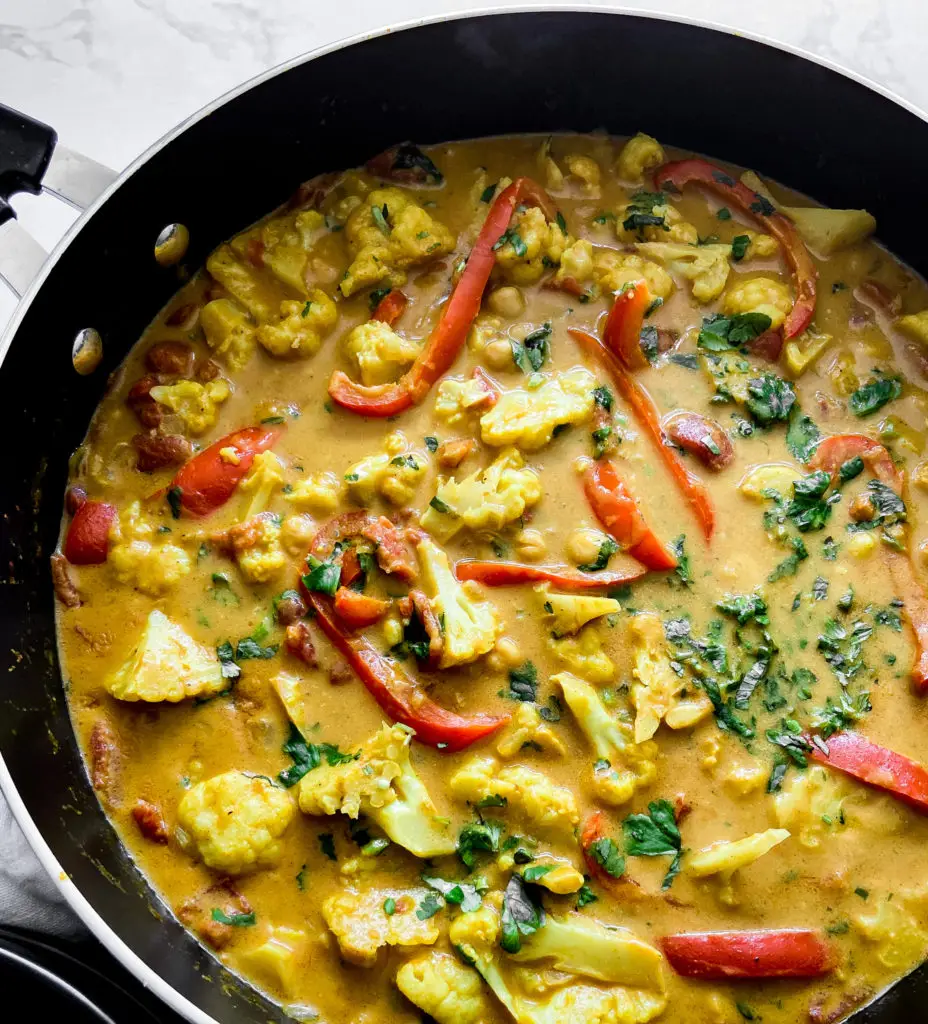
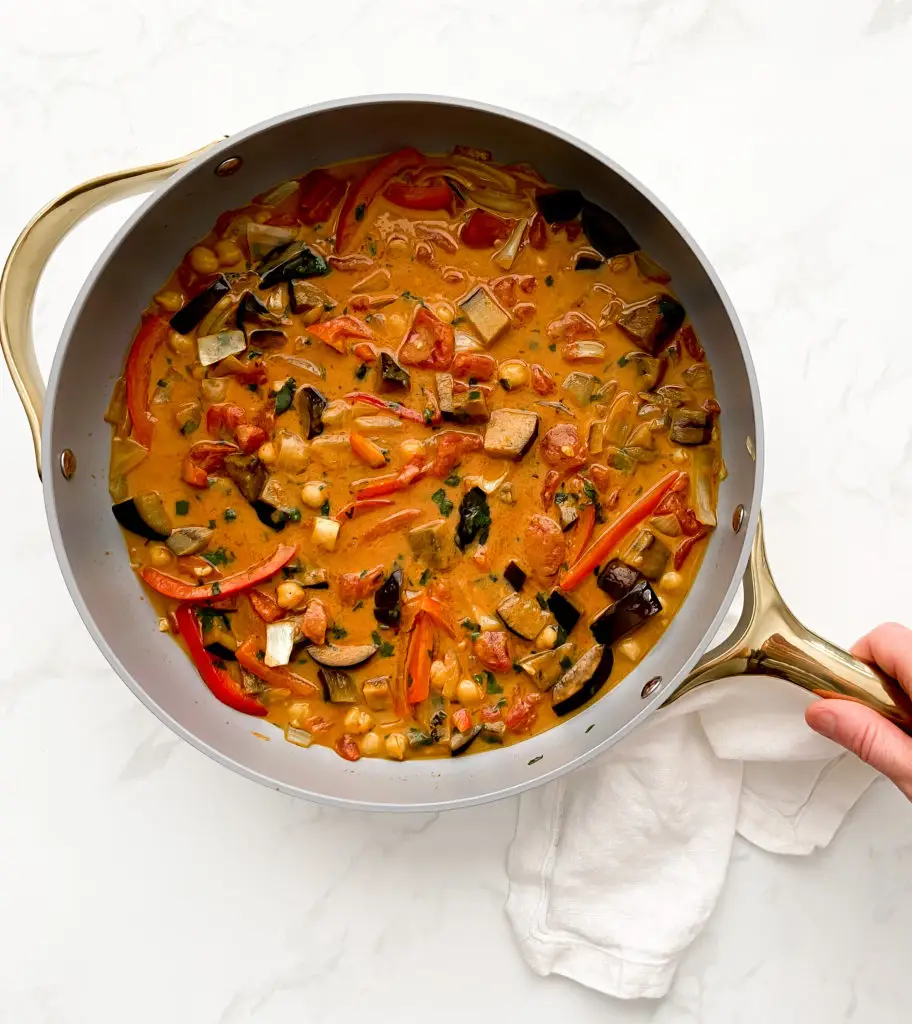
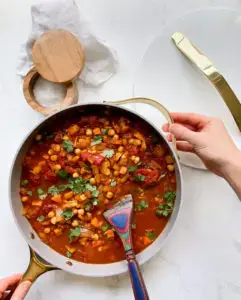
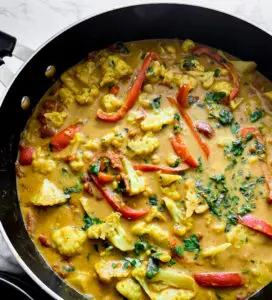
For curries, the technique is to bloom turmeric in hot oil at the start of the cook (with other spices like cumin, coriander, and ginger). This step releases the fat-soluble curcumin and transforms the bitter raw-spice taste into the warm depth that defines Indian cooking. Adding turmeric to a cooled or finished dish produces flat, slightly metallic results. The pairing with cumin and ginger is the foundational Indian spice trio.
For golden milk (the trending anti-inflammatory drink), the technique is to heat 1 cup milk (dairy or plant-based) with 1 teaspoon turmeric, 1/2 teaspoon cinnamon, a pinch of black pepper (important, the pepper increases curcumin absorption 2000%), and honey to taste. The honey sweetens the bitter turmeric notes; the pepper isn’t taste-driven but bioavailability-driven. The standard nighttime drink in Ayurvedic tradition; the trending wellness drink in American culture.
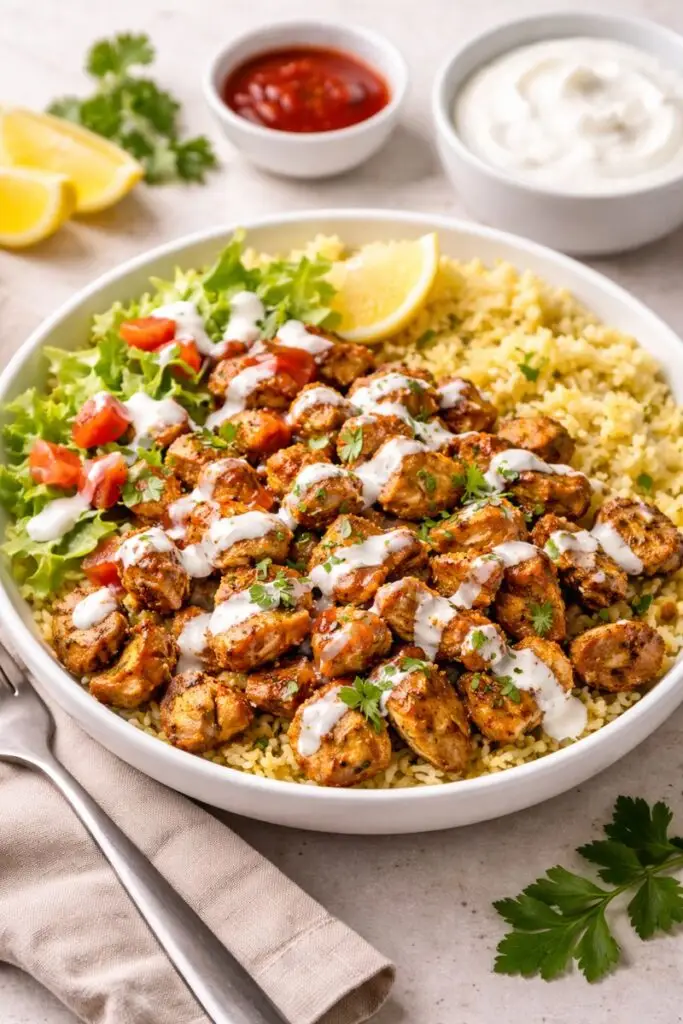
For shawarma and Middle Eastern marinades, turmeric is one of the spices that gives chicken shawarma its distinctive yellow color and warm flavor. The standard marinade is 2 tablespoons olive oil, 1 teaspoon each turmeric, cumin, paprika, garlic powder, oregano, lemon juice, salt for 2 lbs chicken. Marinate 4-12 hours. The result tastes restaurant-grade and pairs with rice, pita, tabbouleh, and tzatziki for a complete Middle Eastern dinner. garlic powder in the marinade amplifies the savory depth alongside the warm spices. Recipes that lean on turmeric include Halal Chicken and Rice where it colors and seasons the rice, and Easy Chicken and rice casserole where it works in the casserole base. Browse ginger, cinnamon, and salt for closely related cooking applications.