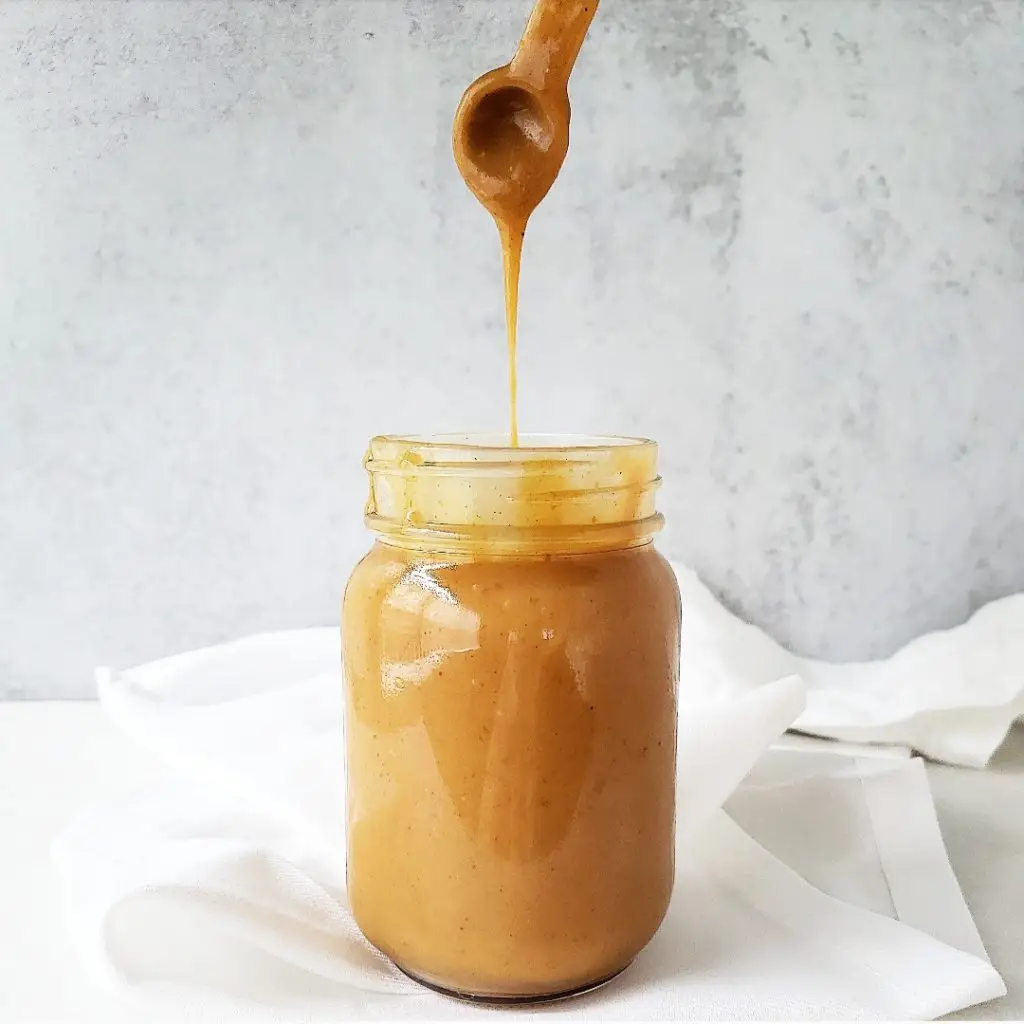
Caramel sauce and caramel candy are made from the same base technique but cooked to different temperatures. Caramel sauce stops at 320-340°F (light caramel stage) and gets liquid cream added immediately to halt the cook. Caramel candy continues cooking with cream already incorporated, building up to the soft-ball stage (240°F) over a longer period for a chewy finished texture. The pourable sauce stays pourable when warm and thickens slightly when cooled but never sets fully firm. The butter addition at the end of cooking is what gives the sauce its glossy sheen and richer mouthfeel.
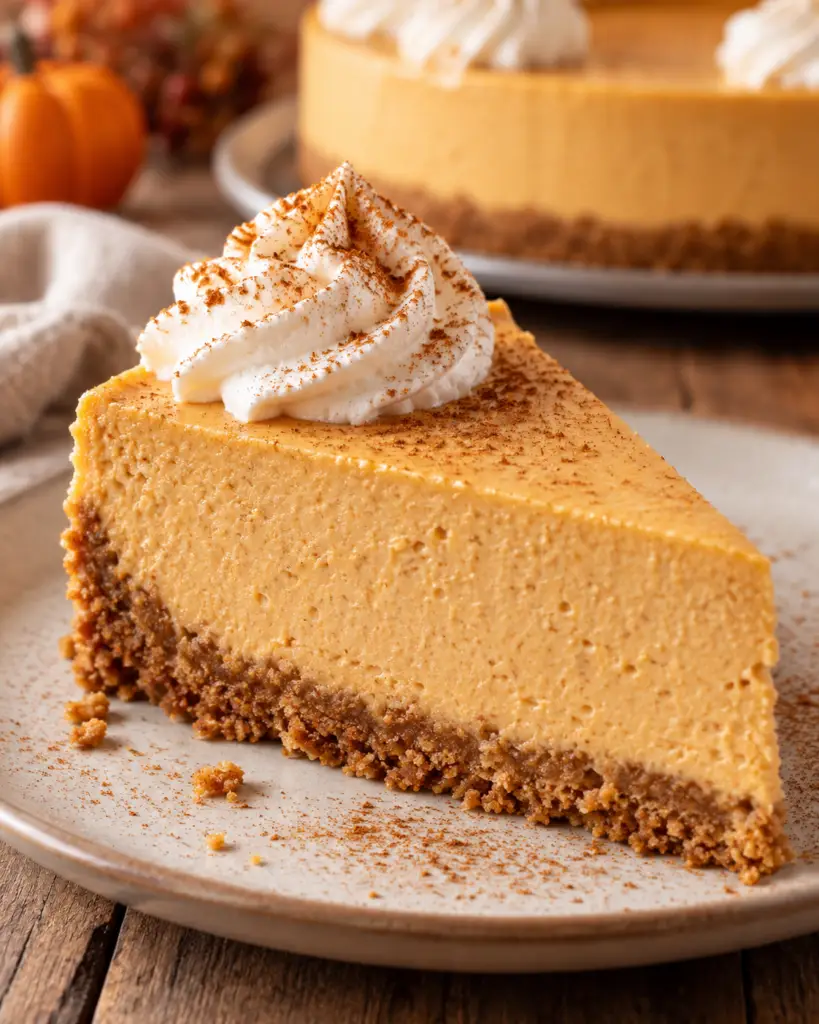
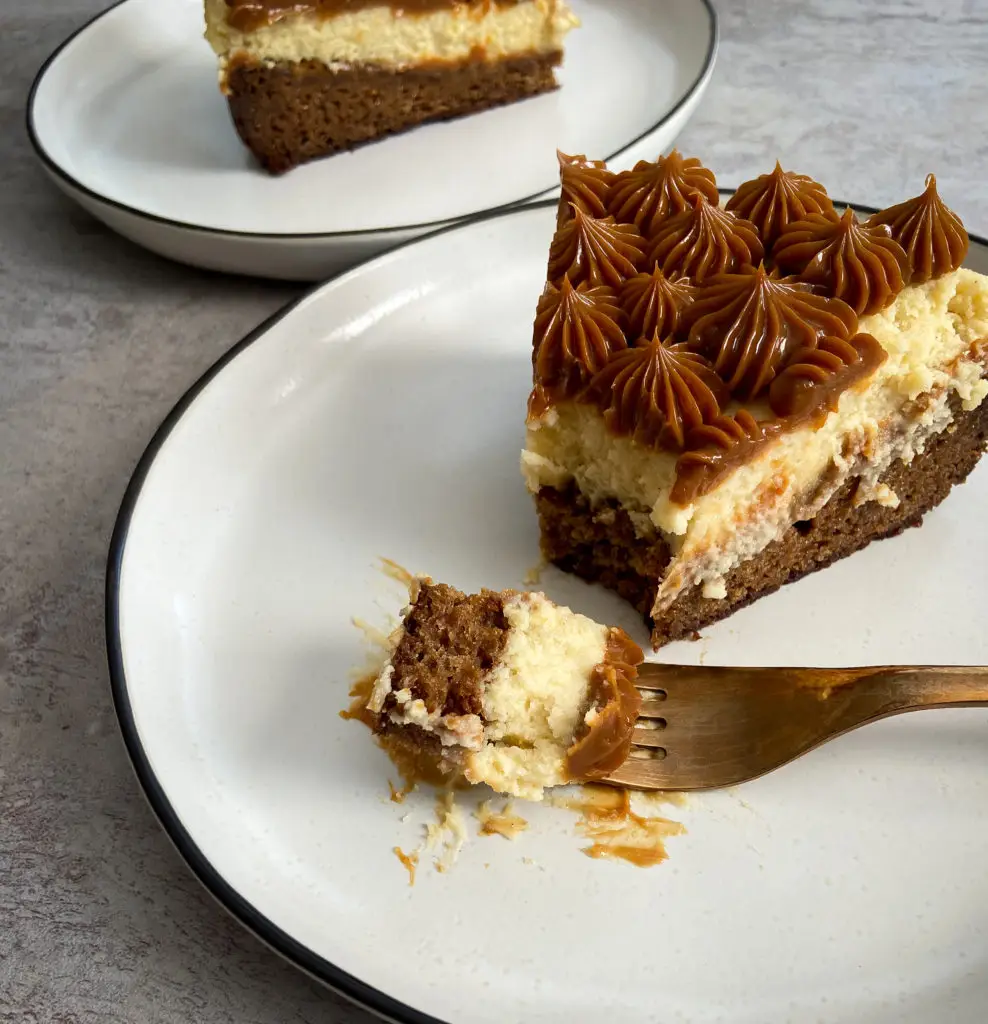
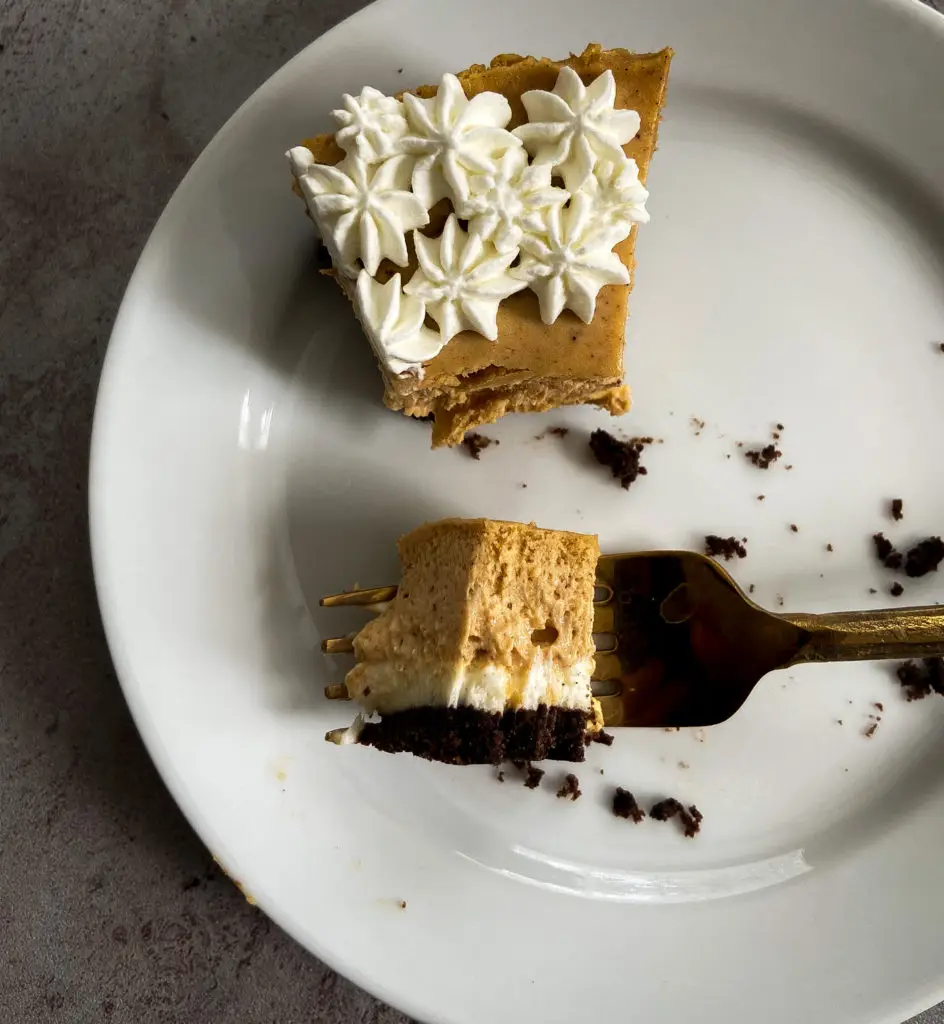
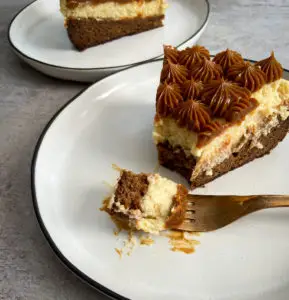
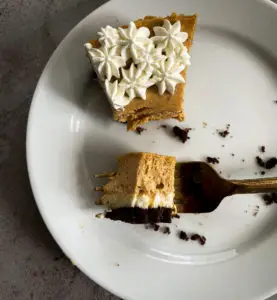
The homemade-versus-store-bought question depends on use case. Store-bought caramel sauce (jarred, refrigerated) works fine for casual home use, lasts months in the fridge, and tastes acceptable in most applications. Homemade caramel sauce takes 15 minutes start to finish, costs roughly a quarter as much, and delivers dramatically deeper flavor. For finishing applications where the caramel sauce is the star (over ice cream, on cheesecake), homemade wins. For casual drizzles where the sauce is just a finishing touch, jarred works. Pumpkin Caramel Cheesecake uses homemade caramel sauce specifically because the cheesecake is built around the caramel layer.
Salted caramel sauce is the sweet-and-savory variant that has become standard since the early 2010s. The technique is simple: add 1/2 teaspoon flaky sea salt to the finished sauce while still warm, stir to dissolve, and the result has a savory edge that balances the sweetness. The heavy cream addition needs to be warm before going into the hot sugar, since cold cream causes seizing and dangerous spattering. Bring the cream to a simmer in the microwave for 30 seconds before pouring it into the caramelized sugar pan.
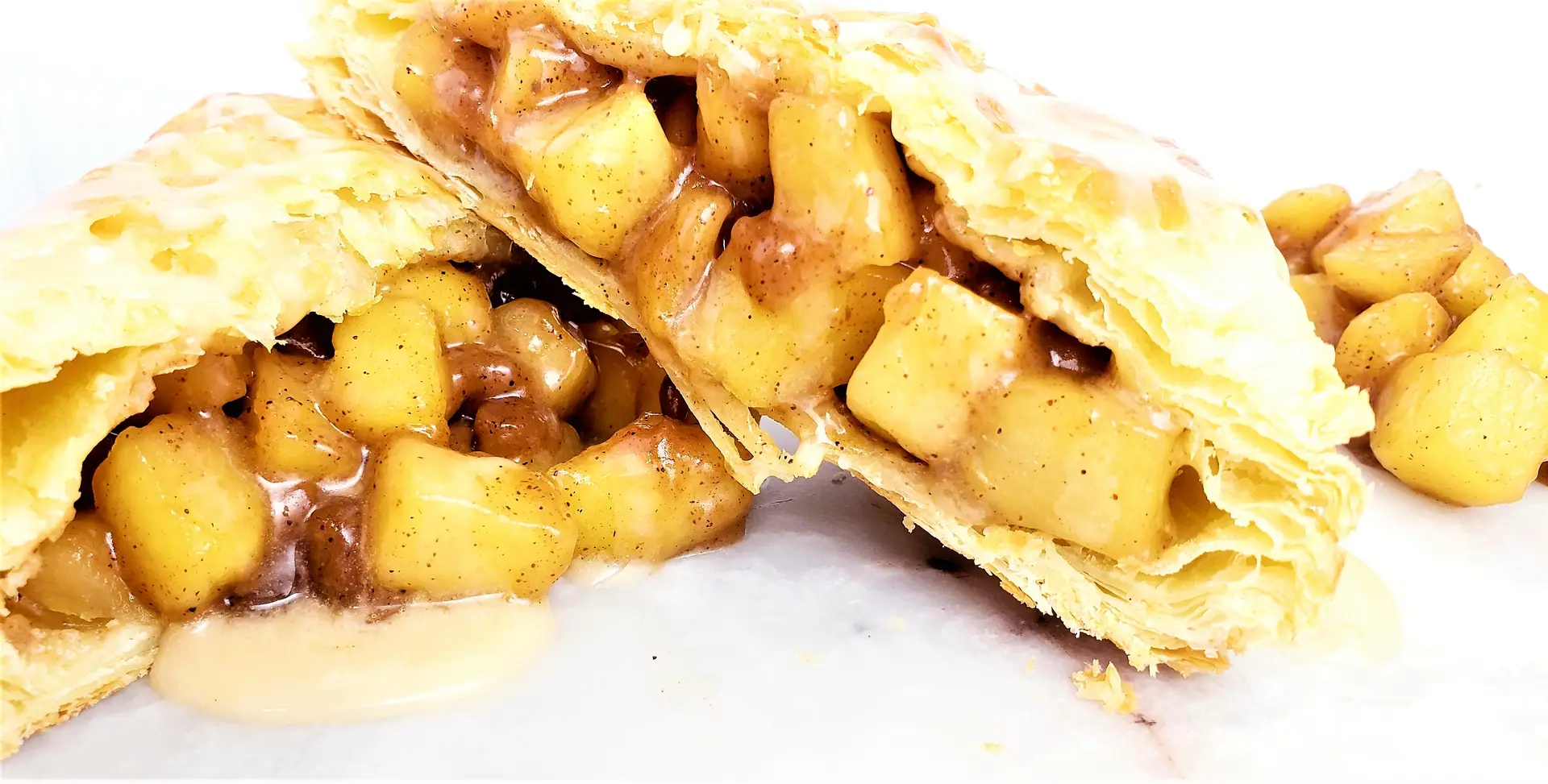
For thicker or thinner sauces, the granulated sugar-to-cream ratio controls the consistency. The standard 1 cup sugar to 1/2 cup cream produces pourable sauce. Increasing the cream to 3/4 cup produces a thinner sauce better for drizzling over ice cream. Reducing the cream to 1/3 cup produces a thicker sauce that sets up almost candy-like when cooled, suitable for caramel filling layers in cakes and bars. Caramel Apple Turnovers uses the thicker version inside the pastry, where the caramel needs to stay in place during baking rather than running out of the turnover.