
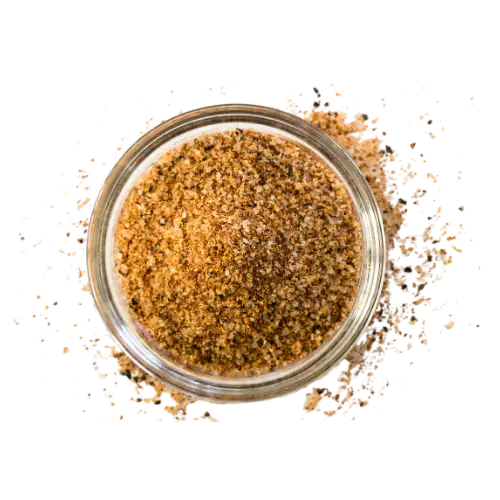
Cajun seasoning is the spice blend that defines Louisiana and Creole cooking. The standard blend is paprika, cayenne, garlic powder, onion powder, oregano, thyme, salt, and black pepper. Mixing it fresh at home produces dramatically better results than the pre-mixed jars. The clearest recipe on the site that uses cajun seasoning is Cajun Chicken where the blend provides the dish’s foundational flavor.
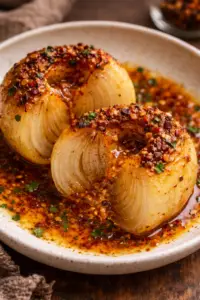
The standard Cajun seasoning recipe is 2 tablespoons paprika, 1 tablespoon each garlic powder and onion powder, 1 teaspoon each cayenne, oregano, thyme, salt, and black pepper. Adjust the cayenne up or down for heat preference. Mixed fresh, the blend lasts 6 months in a sealed jar at full flavor; longer-stored versions taste dusty and lose the warm-spice depth.
Cajun and Creole seasoning are not the same blend. Cajun is hotter and herb-forward; Creole tends to include more dried tomato and basil, leaning toward Italian influence. Both work in roughly the same applications (chicken, shrimp, sausage, beans, rice), but the finished dish reads slightly different depending on which blend you start with. Adding cumin to the standard Cajun base shifts the flavor profile toward Tex-Mex without losing the Louisiana flavor profile.
For dry rubs on chicken, shrimp, or fish, the technique is to coat the protein generously, let it sit 30 minutes at room temperature, then sear in a hot cast iron pan with a small amount of oil. The blackened crust comes from the paprika caramelizing on the hot metal. This is the defining technique of Paul Prudhomme’s blackened redfish, the dish that put Cajun cooking on the American culinary map. Recipes that work with this ingredient often share territory with paprika, cayenne, and oregano.
For etouffees, jambalaya, and gumbo, Cajun seasoning works as the spice base in conjunction with the holy trinity (onion, celery, bell pepper). The blend goes in early with the trinity, then again at the end to brighten any flavor lost during the long cook. smoked paprika substituted for half the regular paprika in the blend adds wood-smoke depth that mimics actual outdoor cooking. Browse cayenne pepper and chili powder for closely related cooking applications.
The standard homemade Cajun seasoning blend is 2 tablespoons paprika, 1 tablespoon each garlic powder and onion powder, and 1 teaspoon each cayenne pepper, dried oregano, dried thyme, salt, and black pepper. Mix all ingredients together and store in a sealed jar for up to 6 months. Fresh-mixed seasoning has significantly better flavor than pre-packaged versions.
Cajun seasoning is hotter and more herb-forward, typically built around paprika, cayenne, and dried herbs. Creole seasoning tends to include more dried tomato and basil, reflecting Italian and French influences in New Orleans cooking. Both work in similar applications but produce slightly different finished flavors. Cajun reads spicier; Creole reads more complex.
Coat chicken pieces generously with Cajun seasoning, pressing it into the surface. Let the chicken sit at room temperature for 30 minutes before cooking. Sear in a hot cast iron pan with a small amount of oil for the blackened crust effect. Baking works too at 400°F for 20 to 25 minutes depending on the cut and thickness.
Cajun seasoning ranges from mild to very hot depending on how much cayenne is in the blend. Store-bought versions tend to be mild to moderate. Homemade blends let you control the heat precisely. Start with a quarter teaspoon of cayenne per batch and increase from there. The paprika base adds color and mild sweetness without adding heat.
For more spice rub components and Cajun base ingredients, see our smoked paprika and thyme recipes.