Baking Soda vs. Baking Powder: What’s the Difference? (+ When to Use Each)
If you’ve ever stood in the middle of your kitchen holding a box of baking soda in one hand and baking powder in the other wondering, “Wait…which one am I supposed to use?” you are definitely not alone. Baking soda and baking powder look almost identical, and both help baked goods rise, but they are not the same ingredient—and swapping one for the other can completely change your cookies, cakes, muffins, brownies, pancakes, and quick breads.
The simplest difference is this: baking soda needs an acidic ingredient to activate, while baking powder already contains the components it needs to create a leavening reaction. Both produce carbon dioxide bubbles that help baked goods rise, but they work differently and can affect everything from height and spread to browning, flavor, and texture.
Once you understand the difference between baking soda vs. baking powder, a lot of baking suddenly starts to make sense. Why did those cookies spread? Why didn’t that cake rise? Why does a recipe contain both baking soda AND baking powder? And what happens if you accidentally grab the wrong container?
Let’s break down the baking science in a way that actually helps when you’re standing in your kitchen.
What Is Baking Soda?
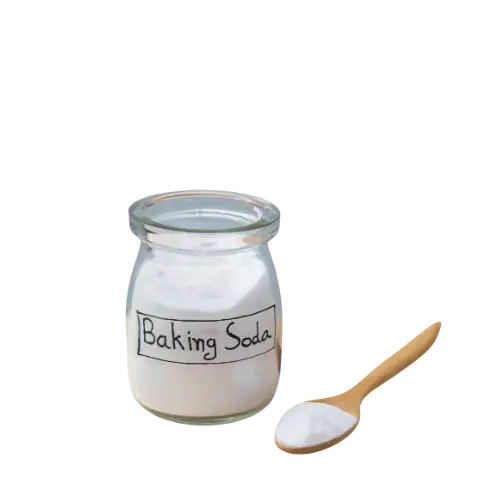
Baking soda is sodium bicarbonate, an alkaline compound used as a chemical leavening agent.
On its own, baking soda isn’t enough to properly leaven most baked goods. It needs to react with an acidic ingredient in the recipe.
Common acidic ingredients include:
- Buttermilk
- Sour cream
- Greek yogurt
- Lemon juice
- Vinegar
- Natural cocoa powder
- Molasses
- Brown sugar
When baking soda comes into contact with acid and moisture, a chemical reaction begins and produces carbon dioxide gas. Those tiny bubbles become trapped inside your batter or dough and help create lift as the food bakes.
This is why recipes containing baking soda should generally be baked soon after mixing. Once the wet and dry ingredients meet, that reaction has already started.
What Is Baking Powder?
Baking powder is also a chemical leavener, but unlike baking soda, it contains both an alkaline component and an acid.
That means it doesn’t necessarily require an additional acidic ingredient such as lemon juice, buttermilk, or vinegar to perform its primary leavening job.
Most baking powder sold today is double acting.
That means it works in two stages:
- The first reaction begins when the baking powder becomes wet.
- A second reaction occurs when it is exposed to heat in the oven.
This makes baking powder especially useful in cakes, cupcakes, muffins, pancakes, biscuits, scones, and other baked goods where we want height and a light texture.
Baking Soda vs. Baking Powder: What’s the Difference?
Here’s the easiest way to remember it:
Baking soda needs acid. Baking powder brings its own acid.
| Baking Soda | Baking Powder |
|---|---|
| Sodium bicarbonate | Contains sodium bicarbonate plus acid |
| Requires sufficient acid to react | Contains its own acid component |
| Strong leavening agent | Less concentrated leavening power |
| Can encourage browning and spreading | Often used to create height and lift |
| Begins reacting after wet ingredients are added | Most is double acting |
| Common in cookies and quick breads | Common in cakes, muffins and biscuits |
| Neither ingredient is necessarily “better.” The correct one depends on the other ingredients in the recipe and the final texture the recipe developer is trying to create. |
Why Do Recipes Use Baking Soda?
If you see baking soda on an ingredient list, look at the rest of the recipe.
There’s probably an acidic ingredient somewhere.
For example, a recipe containing buttermilk might use baking soda because the acid in the buttermilk reacts with the baking soda.
The same principle applies to sour cream, yogurt, vinegar and lemon juice.
Baking soda can also affect more than rise. It influences pH, which can change the way baked goods brown, spread and taste.
That’s one reason baking soda is particularly important in many cookie recipes.
Why Do Recipes Use Baking Powder?
Baking powder is useful when a recipe needs additional lift but doesn’t contain enough acid to properly activate baking soda—or when the baker wants the particular rise and texture baking powder provides.
Think about tall muffins, fluffy pancakes and tender cakes.
Baking powder helps create those little pockets of air throughout the batter that expand as the baked good cooks.
It’s one of the ingredients responsible for transforming a bowl of batter into a beautifully risen cake.
Why Do Some Recipes Use Both Baking Soda and Baking Powder?
This is one of the most common questions I hear, and it’s a good one.
If baking soda and baking powder both help baked goods rise, why would you need both?
Because sometimes one leavener isn’t being asked to do the entire job.
A recipe may contain an acidic ingredient that needs baking soda for proper balance while also needing additional leavening power from baking powder to achieve the desired height and texture.
I use this combination in several recipes for exactly this reason.
For example, an eggless cake has an especially interesting challenge: eggs normally contribute structure and lift. A carefully balanced combination of baking powder, baking soda and acidic ingredients can help compensate for some of that missing lift.
You will also see both leaveners in many muffins, banana breads, chocolate cakes and cupcakes.
So if a recipe calls for both, don’t assume one is unnecessary.
Each may be performing a different job.
Does Baking Soda Make Cookies Spread?
Baking soda can contribute to cookie spread because increasing the alkalinity of cookie dough affects how the dough behaves during baking.
But baking soda isn’t the only reason cookies spread.
Excessive spreading can also be caused by:
- Butter that is too warm
- Too little flour
- Too much sugar or fat
- Warm cookie dough
- Incorrect ingredient measurements
- Baking on a hot baking sheet
- Oven-temperature issues
So if your cookies turn into one giant cookie puddle, don’t automatically blame the baking soda.
Does Baking Powder Make Cookies Rise?
Baking powder can give cookies more lift and can contribute to a thicker or puffier texture depending on the rest of the recipe.
That doesn’t mean you should simply replace the baking soda in your favorite cookie recipe with baking powder.
Cookie recipes are carefully balanced around flour, fat, sugar, eggs, moisture and leavening.
Changing one ingredient can change the entire cookie.
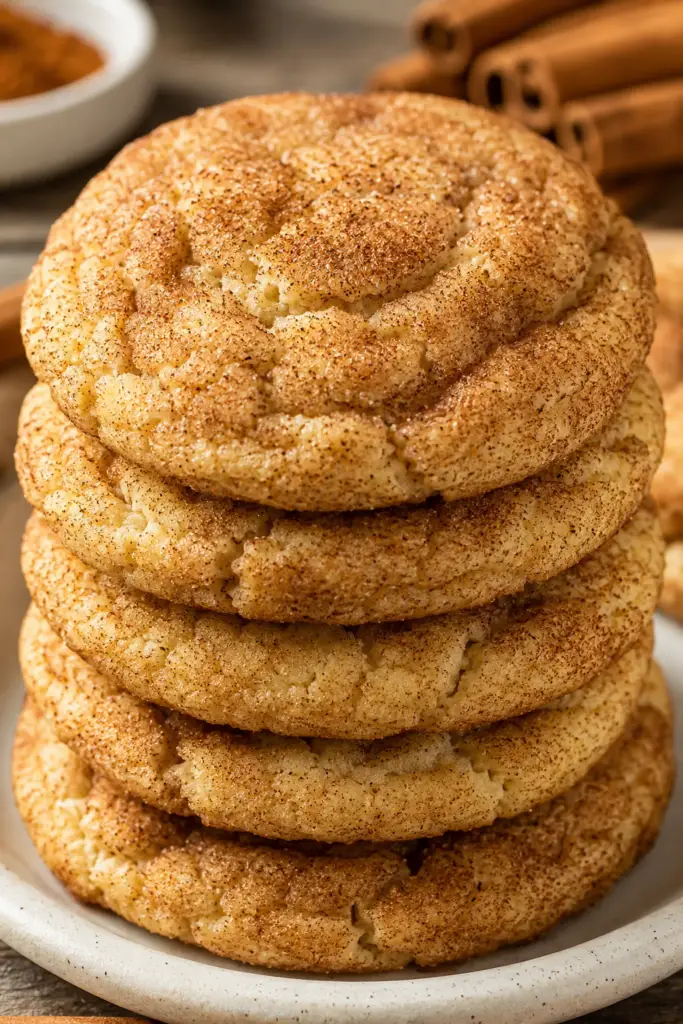
Baking Soda vs. Baking Powder in Cookies
Here’s where baking science gets fun.
Generally speaking, baking soda can encourage more spread and browning, while baking powder can contribute more puff and lift.
But don’t think of this as a rule that allows you to freely swap them.
A cookie containing baking soda may have been formulated around acidic ingredients and a particular pH.
Replacing that soda with baking powder changes more than height.
You may change:
- Spread
- Browning
- Texture
- Flavor
- Thickness
- Crispness
- Chewiness
That’s why I always recommend making a cookie recipe as written before experimenting.
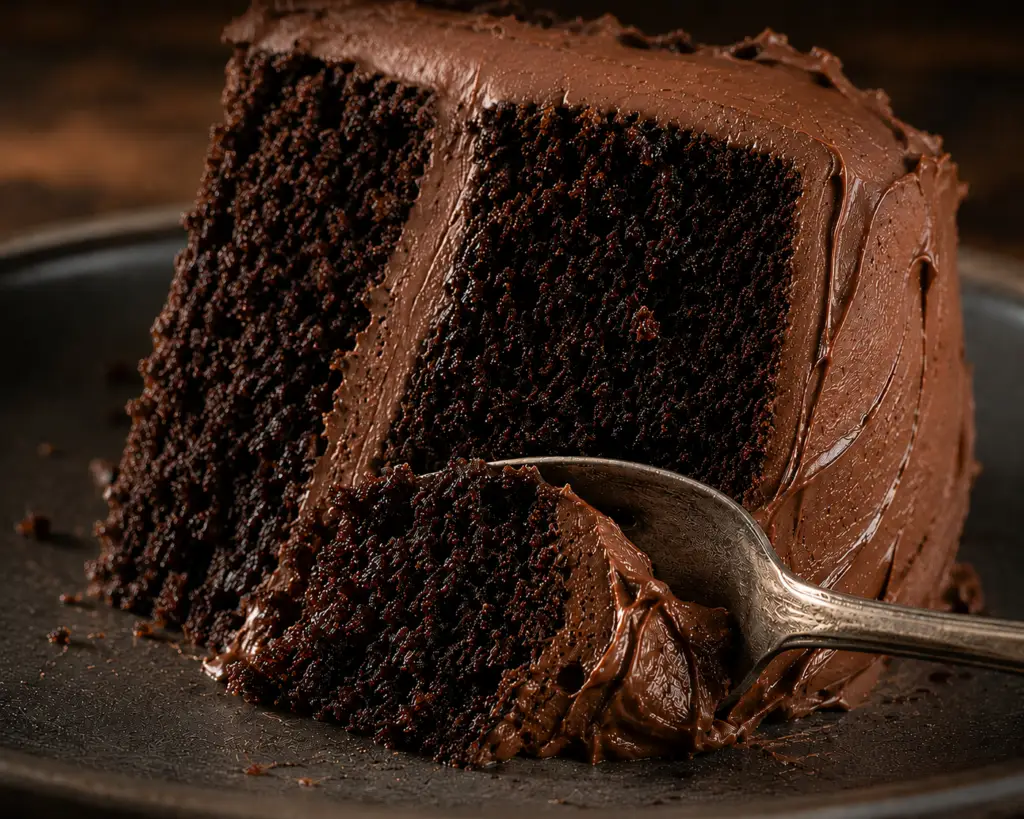
Baking Soda vs. Baking Powder in Cakes
With cakes, we’re typically looking for controlled rise and a soft, tender crumb.
Baking powder is common because it provides dependable leavening without requiring a large amount of additional acid.
However, cakes containing acidic ingredients such as buttermilk, sour cream, lemon juice or natural cocoa powder may also contain baking soda.
Some cakes use both.
The amount isn’t random. It’s part of the recipe’s overall chemical balance.
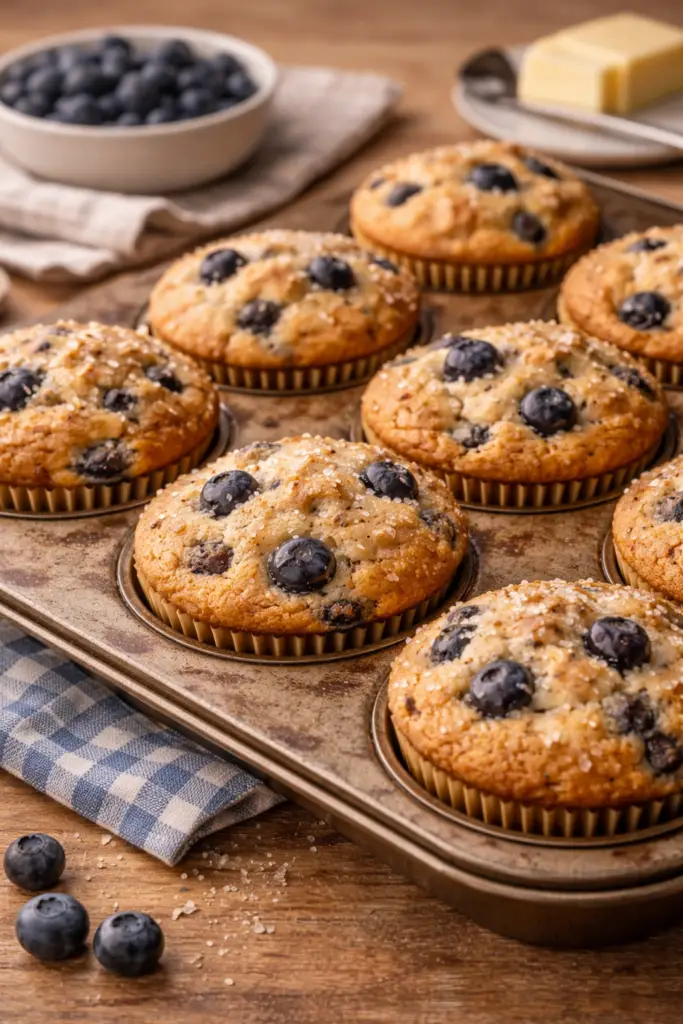
Baking Soda vs. Baking Powder in Muffins
Have you ever wondered how bakery muffins get those beautiful tall tops?
There are several factors involved, including oven temperature, batter consistency and how full the muffin cups are, but chemical leaveners are an important part of the equation.
Baking powder can provide substantial lift, while baking soda can react with acidic ingredients such as sour cream, yogurt or fruit.
For example, banana muffins can benefit from using both baking powder and baking soda to create a tall, tender muffin while balancing acidic ingredients in the batter.
Baking Soda vs. Baking Powder in Quick Breads
Banana bread, zucchini bread, pumpkin bread and other quick breads don’t rely on yeast for their rise.
That’s why they’re called quick breads.
Instead, chemical leaveners such as baking soda and baking powder help the batter rise while it bakes.
Recipes containing naturally acidic ingredients may use baking soda, baking powder, or a combination of the two depending on the desired rise, texture and flavor.
Can You Substitute Baking Powder for Baking Soda?
Sometimes—but I don’t recommend making the swap unless you understand how it will affect the recipe.
Baking soda is substantially more concentrated as a leavener than baking powder, so this is not a 1:1 substitution.
A commonly used emergency guideline is approximately:
1 teaspoon baking soda → about 3 teaspoons baking powder
But there’s a catch.
Using that much baking powder can alter the taste, sodium level and overall chemistry of your recipe.
So although the substitution may technically work in certain situations, it doesn’t mean your finished cake or cookies will turn out exactly as intended.
My recommendation: If the recipe calls for baking soda, use baking soda whenever possible.
Can You Substitute Baking Soda for Baking Powder?
Not directly.
Because baking powder already contains an acid, replacing it with plain baking soda means you need to introduce the correct amount of acid yourself.
If you have cream of tartar, you can make a basic homemade baking powder substitute.
For approximately 1 teaspoon baking powder, combine:
- ¼ teaspoon baking soda
- ½ teaspoon cream of tartar
Use it promptly rather than storing a large batch.
Again, when you’re baking a recipe for the first time, your safest option is to use the leavener specified in the recipe.
What Happens If You Accidentally Use Baking Soda Instead of Baking Powder?
We’ve all had those kitchen moments.
Unfortunately, using baking soda where baking powder was intended can result in a noticeably different finished product.
You may notice:
- Poor rise
- Excessive browning
- Unusual spreading
- An alkaline or soapy taste
- Different texture
This happens because there may not be enough acid in the recipe to react with all of that baking soda.
If you realize the mistake before you’ve mixed everything together, your best option is usually to correct it before continuing.
What Happens If You Use Baking Powder Instead of Baking Soda?
The results may be less dramatic, but the recipe can still change.
Because baking powder isn’t a direct 1:1 replacement for baking soda, your baked goods may not rise, brown or spread the way the original recipe intended.
The texture and flavor can change as well.
This is one of those times when baking really is chemistry.
What Happens If You Use Too Much Baking Soda?
More baking soda does NOT mean more rise.
Using too much can leave you with:
- Bitter or soapy flavor
- Excessive browning
- Too much spread
- Coarse texture
- Strange color
- A collapsed baked good
Once you’ve provided more leavener than the batter can properly support, extra gas isn’t necessarily helpful.
Baking is about balance.
What Happens If You Use Too Much Baking Powder?
Too much baking powder can also cause problems.
Your cake or muffins might rise rapidly and then collapse because the structure can’t support all of the expanding gas.
You may also notice an unpleasant chemical or bitter flavor.
If your recipe calls for 1 teaspoon, don’t decide that 2 teaspoons will give you twice the height.
It doesn’t work that way.
Why Didn’t My Cake Rise?
Before blaming your recipe, check your leaveners.
Old baking powder or baking soda, forgetting the leavener entirely, accidentally swapping the two, or measuring incorrectly can all contribute to poor rise.
Other possible causes include:
- Overmixing
- Incorrect oven temperature
- Opening the oven too early
- Incorrect pan size
- Too much liquid
- Incorrect flour measurement
- Batter sitting too long before baking
This is exactly why learning a little baking science can make you a much more confident baker.
Instead of simply knowing that a recipe didn’t work, you can start figuring out why.
Does Baking Soda Expire?
Baking soda doesn’t suddenly become dangerous when it gets old, but it can lose effectiveness for baking purposes over time, especially once the package has been opened and exposed to moisture and air.
If that little box has been hiding in the back of your pantry for years, test it before trusting it with your next cake.
How to Test Baking Soda
Because baking soda needs acid to react, you can test it with an acidic liquid such as vinegar.
Place a small amount of baking soda in a bowl and add a splash of vinegar.
You should see an immediate, vigorous fizz.
If very little happens, replace it.
Does Baking Powder Expire?
Yes, baking powder can lose its leavening power over time.
This is one of the first things I’d check if your normally tall muffins suddenly come out disappointingly flat.
How to Test Baking Powder
Baking powder already contains acid, so you can test it using hot water.
Place a small amount of baking powder in a bowl and pour hot water over it.
It should bubble vigorously.
Weak bubbling can be a sign that it’s time for a fresh container.
Baking Soda vs. Baking Powder: An Easy Way to Remember
Here’s my simple kitchen memory trick:
Soda needs something sour. Powder is prepared.
Baking soda needs an acidic ingredient to activate properly.
Baking powder already contains the acid/base components necessary for its primary leavening reaction.
It’s not the entire science lesson, but it’s a very handy thing to remember when you’re staring into your pantry.
Stacie’s Baking Tips
A few simple habits can prevent a surprising number of baking disasters:
- Read the ingredient list twice. Baking soda and baking powder containers are incredibly easy to mix up.
- Measure carefully. Don’t eyeball chemical leaveners.
- Check freshness. Especially if you don’t bake frequently.
- Don’t automatically substitute one for the other. They aren’t interchangeable.
- Bake soda-leavened batters promptly. The reaction can begin once your wet and dry ingredients meet.
- Don’t add extra leavener for extra height. Too much can actually cause your baked goods to collapse.
- Follow a tested recipe first. Experiment after you know how the original recipe is supposed to behave.
Recipes That Use Baking Soda and Baking Powder
Now that you know why recipes sometimes call for one leavener—or both—look at the ingredient lists in some of your favorite baked goods.
You can see this baking science in action in recipes such as:
- Eggless cake
- Banana muffins
- Eggless banana bread
- Zucchini bread
- Chocolate cupcakes
- Chocolate cake
Instead of seeing baking soda and baking powder as two mysterious white powders, start looking at the acidic ingredients around them. Sour cream? Buttermilk? Lemon juice? Vinegar? Bananas? Cocoa?
Suddenly the ingredient list starts telling you a story.
Baking Soda vs. Baking Powder Quick Reference
Use baking soda when: The recipe is formulated with sufficient acidic ingredients and calls for baking soda.
Use baking powder when: The recipe needs chemical leavening supplied by baking powder and is formulated accordingly.
Use both when: The tested recipe calls for both. There may be acid for baking soda to neutralize while baking powder provides additional leavening.
Don’t substitute: Unless absolutely necessary and you understand that the results may change.
Check freshness: Whenever your baked goods mysteriously stop rising the way they normally do.
Before You Go
The difference between baking soda vs. baking powder might seem small, but understanding it can completely change the way you approach baking.
Baking soda needs acid to activate properly. Baking powder contains the components necessary to create its own leavening reaction. And sometimes a recipe needs both because we’re balancing acidity, flavor, browning, spread and rise all at once.
Once you start understanding what ingredients actually do, you’re no longer just following a recipe—you’re learning how baking works.
And that knowledge makes troubleshooting a whole lot easier the next time your cookies spread, your muffins don’t rise, or your cake doesn’t quite turn out as expected.
Frequently Asked Questions
Is baking soda the same as baking powder?
No. Baking soda is sodium bicarbonate and requires an acid to produce the reaction typically needed for leavening. Baking powder contains sodium bicarbonate plus acidic components, allowing it to produce a leavening reaction without relying entirely on another acidic ingredient in the recipe.
Which is better, baking soda or baking powder?
Neither is better. They perform different functions, and the best choice depends on the recipe.
Can I use baking powder instead of baking soda?
It can sometimes be used as an emergency substitution, but it isn’t a 1:1 swap. You’ll generally need substantially more baking powder, and the flavor and texture of the finished recipe may change.
Can I use baking soda instead of baking powder?
Not by itself. Baking soda needs an acid. A combination of baking soda and cream of tartar can be used to create a homemade baking powder substitute.
Why does my recipe use both?
The recipe may need baking soda to react with or neutralize acidic ingredients while relying on baking powder for additional leavening and lift.
Does baking soda make cookies spread?
It can contribute to spread, but butter temperature, flour quantity, sugar, dough temperature, baking sheets and oven temperature can also affect how much cookies spread.
Does baking powder make cookies fluffy?
Baking powder can contribute to a puffier, thicker cookie, but the final texture depends on the entire recipe.
What happens if I forget baking soda?
Your baked goods may have less rise, different browning, altered texture and a different flavor depending on the recipe.
What happens if I forget baking powder?
Cakes, muffins, pancakes and other baked goods that rely on baking powder may turn out dense, flat or poorly risen.
Why does baking soda need acid?
Baking soda is alkaline. When it reacts with an acid in the presence of moisture, carbon dioxide gas is produced. Those gas bubbles help leaven the baked good.
Does baking powder need acid?
Baking powder already contains acidic components, so it doesn’t rely entirely on an acidic ingredient in the recipe for its primary leavening reaction.
Can baking soda or baking powder go bad?
They can lose effectiveness over time. If you’re unsure how long they’ve been sitting in your pantry, test them before using them in an important bake.
How do I test baking soda?
Add an acidic liquid such as vinegar to a small amount. Fresh baking soda should fizz vigorously.
How do I test baking powder?
Pour hot water over a small amount. Active baking powder should bubble noticeably.
Can too much baking powder make a cake fall?
Yes. Excessive leavening can cause a cake to rise too rapidly before its structure is strong enough to support it, potentially contributing to collapse.
Should I add more baking powder to make muffins rise higher?
No. Follow the tested recipe. More leavener doesn’t automatically produce a taller muffin and can cause flavor, texture and structural problems. Try this recipe with tips and tricks for tall, bakery-style muffins!