Chicken Wing Seasoning Blend
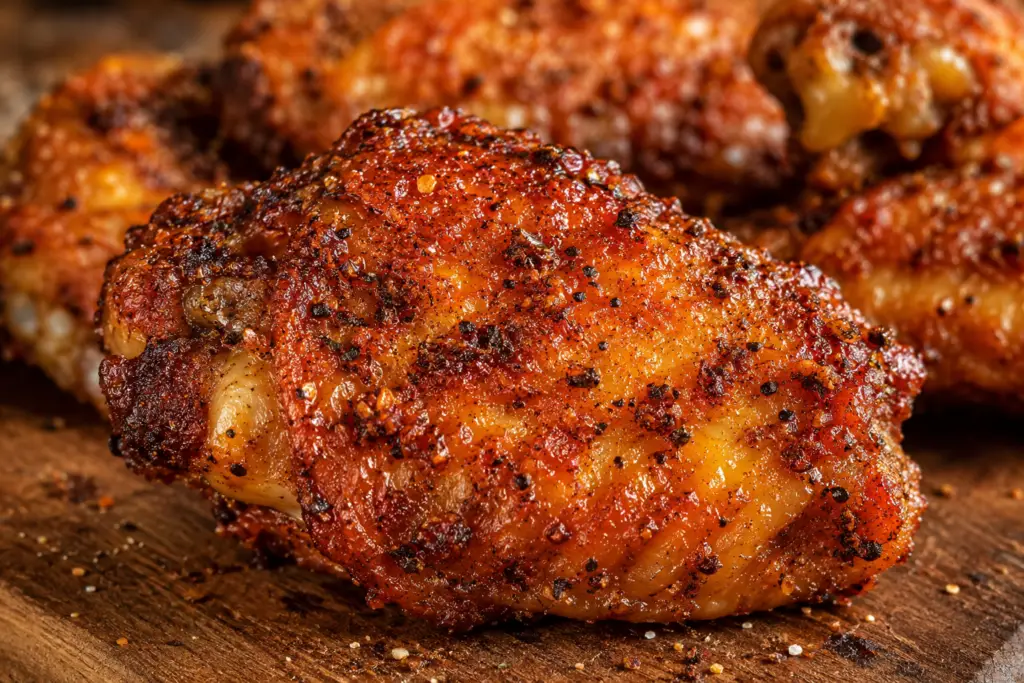
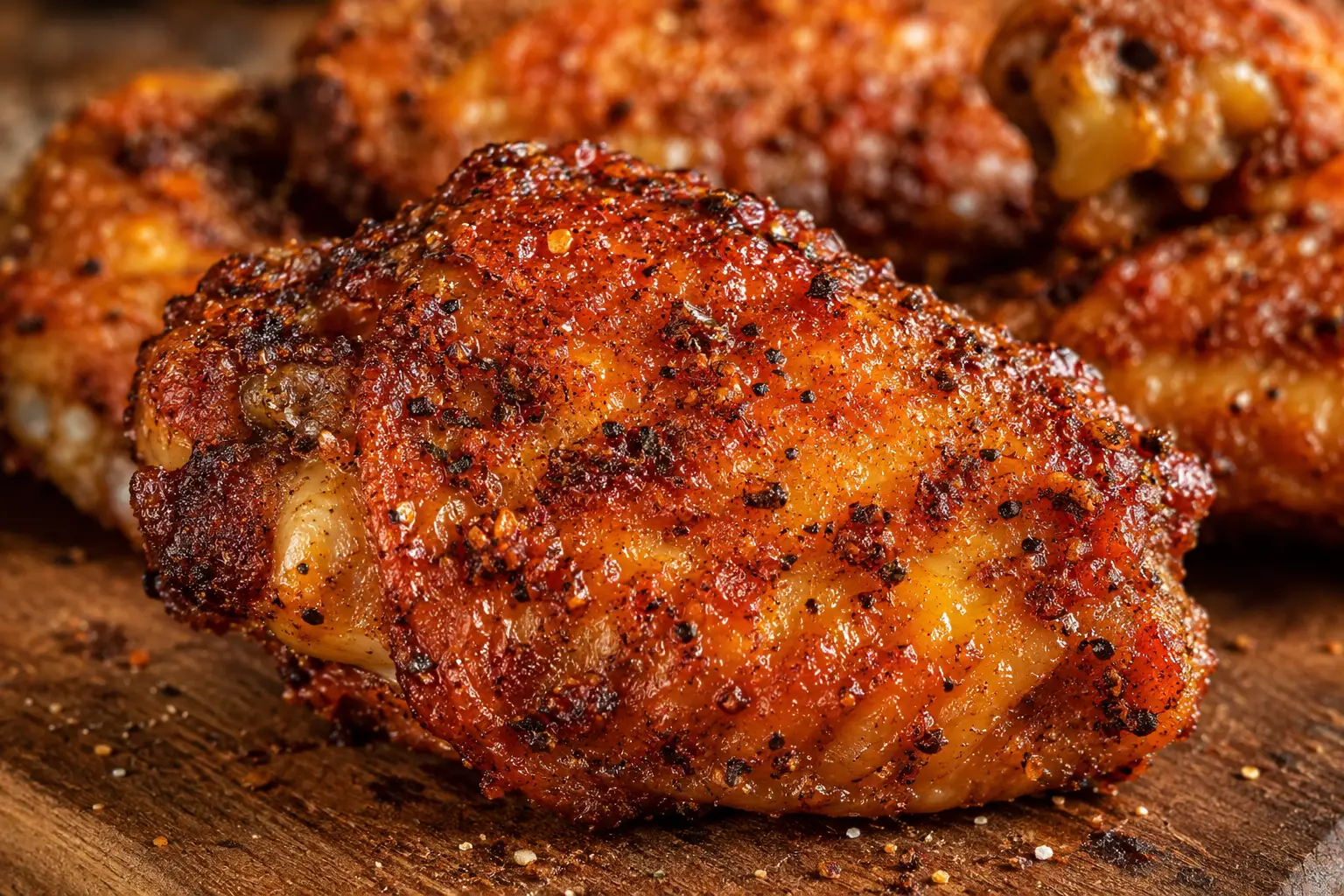
If there is one thing that can completely change a batch of chicken wings, it is the seasoning. This homemade chicken wing seasoning is smoky, savory, garlicky, slightly sweet, and just spicy enough to make you want to reach for another wing before you have even finished the first one. Better yet, you can mix the entire seasoning blend together in about five minutes using spices you probably already have in your pantry.
I love a good chicken wing sauce, but wings absolutely do not need to be covered in sauce to taste incredible. A really good dry seasoning gets directly onto the skin, creating layer after layer of flavor while the wings cook. You get those delicious browned edges, plenty of seasoning in every bite, and a flavor that works whether you bake, air fry, grill, or smoke your wings.
This recipe is also intentionally different from my other chicken wing recipes. Instead of focusing on a specific cooking method or finished sauce, this is my go-to homemade seasoning for chicken wings. Think of it as the little jar you want sitting in your spice cabinet whenever wings are on the menu.
The blend combines smoked paprika, garlic powder, onion powder, brown sugar, salt, black pepper, chili powder, dried mustard, and just a little cayenne. The result hits almost everything I want in a great wing: savory, smoky, salty, subtly sweet, and a tiny bit spicy.
And yes—you can absolutely make a big batch and keep it ready for wing night.
Why You’ll Love This Chicken Wing Seasoning
This is the kind of recipe that makes homemade wings incredibly easy. Once the seasoning is mixed, most of the work is already done.
- Ready in 5 minutes. Measure, stir, and season.
- Made with pantry staples. No specialty seasoning packets required.
- Works with any cooking method. Bake, air fry, grill, or smoke the wings.
- Easy to customize. Make it sweeter, smokier, saltier, or spicier.
- Perfect for meal prep. Make a large batch and store it in an airtight spice jar.
- No sauce required. These wings have enough flavor to stand completely on their own.
- Great base for sauces. You can still toss the cooked wings in Buffalo, BBQ, hot honey, garlic Parmesan, or another favorite sauce.
What Is the Best Seasoning for Chicken Wings?
The best chicken wing seasoning needs balance.
Wings have a relatively high skin-to-meat ratio compared with larger pieces of chicken, which means the seasoning on the outside plays a huge role in how the finished wing tastes. You want enough salt to enhance the chicken, savory spices for depth, paprika for color and smokiness, and a small amount of sweetness to balance everything.
For my blend, I use:
- Smoked paprika
- Garlic powder
- Onion powder
- Light brown sugar
- Chili powder
- Kosher or sea salt
- Black pepper
- Ground mustard
- Cayenne pepper
That combination gives you an all-purpose seasoning that tastes bold without forcing the wings into one specific flavor category.
They aren’t Buffalo wings.
They aren’t BBQ wings.
They aren’t Cajun wings.
They are simply really, really good seasoned chicken wings.
And because the flavor profile is versatile, you can decide what happens next.
Chicken Wing Seasoning vs. Chicken Wing Marinade
This is an important distinction, especially because both methods can make delicious wings.
A chicken wing seasoning or dry rub is made primarily from dried herbs, spices, salt, and sometimes sugar. It coats the exterior of the chicken and creates concentrated flavor on the skin.
A chicken wing marinade contains liquid ingredients such as oil, soy sauce, citrus juice, vinegar, Worcestershire sauce, or another acidic or salty ingredient. The chicken sits in that mixture before cooking.
Both methods have their place.
For this particular recipe, I prefer the dry seasoning because wings already contain plenty of fat, and keeping the exterior relatively dry makes it easier to achieve that delicious browned exterior—especially when baking or air frying.
If you want juicy, boldly flavored chicken with more of a wet-marinated profile, a marinade is fantastic. If you want crispy, deeply seasoned skin, reach for this dry rub.
Ingredients for Homemade Chicken Wing Seasoning
One of my favorite things about making seasoning blends at home is knowing exactly what goes into them.
Smoked paprika is one of the stars of this chicken wing dry rub. It gives the wings a rich red color and adds a subtle smoky flavor without requiring a smoker.
Regular paprika can be substituted, but I prefer smoked paprika when I have it.
Garlic and chicken wings belong together. Garlic powder distributes more evenly across the wings than fresh garlic and is less likely to burn at high cooking temperatures.
- Onion Powder
Onion powder adds savory depth and complements the garlic without overpowering the chicken.
- Light Brown Sugar
You only need a small amount.
Brown sugar balances the salt, smoke, and heat while helping create beautiful caramelization on the exterior of the wings.
If you are cooking your wings over very high direct heat, keep an eye on them because sugar can brown quickly.
- Chili Powder
Chili powder brings warmth and complexity without necessarily making the wings extremely spicy.
- Salt
Salt is essential because spices alone cannot properly season chicken.
I prefer kosher salt or fine sea salt. If you’re using a very coarse salt, you may need to adjust the measurement slightly.
- Black Pepper
Freshly ground black pepper adds mild heat and sharpness that balances the sweetness from the brown sugar.
- Ground Mustard
This is my little extra ingredient.
Ground mustard adds tang and complexity without making the wings taste like mustard. It gives the seasoning another layer that makes people wonder what exactly you put in it.
A little cayenne goes a long way.
I use enough for gentle heat, but this ingredient is completely adjustable. Leave it out for mild wings or increase it if your crowd loves spicy food.
The Best Chicken Wing Seasoning Ratio
For approximately 2 pounds of chicken wings, I recommend:
- 2 teaspoons smoked paprika
- 1½ teaspoons garlic powder
- 1½ teaspoons onion powder
- 1 teaspoon light brown sugar
- 1 teaspoon chili powder
- 1 teaspoon kosher or sea salt
- ¾ teaspoon ground black pepper
- ½ teaspoon ground mustard
- ¼ teaspoon cayenne pepper
This makes roughly 3 tablespoons of seasoning, depending on how your spices are measured.
For wings, I generally use about 1 to 1½ tablespoons of seasoning per pound of chicken wings.
If you like heavily seasoned wings, go toward the higher end.
How to Season Chicken Wings
Getting the seasoning right isn’t only about the ingredients. How you apply it matters too.
1. Pat the Wings Very Dry
This is one of the most important steps.
Use paper towels to remove as much surface moisture as possible from your chicken wings.
Moisture creates steam during cooking. Steam and crispy chicken skin are not exactly best friends.
The drier the wings are before seasoning, the better your chance of getting a beautifully browned exterior.
2. Add a Small Amount of Oil
Place the wings in a large bowl and drizzle with about 1 tablespoon of olive or avocado oil for every 2 pounds of wings.
You do not need to drown them in oil.
The goal is simply to create a very thin coating that helps the seasoning adhere.
3. Add the Chicken Wing Seasoning
Sprinkle the seasoning evenly over the wings rather than dumping all of it into one spot.
4. Toss Thoroughly
Use clean hands or tongs to toss until every wing is evenly coated.
Make sure you get into all the little folds and around both sides of the drumettes and flats.
5. Let Them Rest
You can cook the wings immediately, but if you have time, refrigerate the seasoned wings for about 30 minutes.
For even deeper seasoning, refrigerate them uncovered for several hours. This can also help dry the surface of the skin.
Should You Season Chicken Wings Overnight?
Yes, you can.
Seasoning chicken wings several hours before cooking gives the salt more time to work its way into the meat.
For meal prep, season your wings the night before, cover or refrigerate according to your preferred preparation method, and cook them the following day.
If maximum crispiness is your goal, allowing the wings to rest uncovered in the refrigerator can help dry the exterior.
Do You Put Oil on Wings Before Seasoning?
I recommend a small amount.
Oil helps dry spices adhere evenly to the skin and promotes browning.
The key word is small.
Chicken wings naturally render fat as they cook, so they don’t need much added oil. About one tablespoon for two pounds of wings is plenty.
For air fryer wings, you may be able to use even less.
How to Bake Seasoned Chicken Wings
Preheat the oven to 425°F.
Pat the chicken wings completely dry and toss them with a small amount of oil and the homemade wing seasoning.
Arrange the wings in a single layer on a wire rack placed over a rimmed baking sheet.
Leave a little room between the wings so hot air can circulate.
Bake for approximately 40–45 minutes, flipping halfway through, or until deeply browned and safely cooked through.
Chicken should reach at least 165°F internally when checked in the thickest portion without touching the bone.
For even more color, broil briefly at the end while watching carefully.
How to Make Air Fryer Seasoned Chicken Wings
This seasoning is perfect for the air fryer because the circulating heat helps create wonderfully browned skin.
Preheat your air fryer to around 400°F, if your model recommends preheating.
Arrange seasoned wings in a single layer without packing the basket too tightly.
Air fry for approximately 18–24 minutes, flipping or shaking halfway through. Exact cooking time depends on the size of the wings and your air fryer.
Always verify doneness with an instant-read thermometer.
How to Grill Dry Rub Chicken Wings
Chicken wing seasoning and grilling are a perfect match because the smoked paprika tastes even better with a little char.
Season the wings as directed and grill them over medium to medium-high heat, turning regularly so the spices and brown sugar don’t burn.
Cook until the skin is browned and crisp and the chicken reaches a safe internal temperature.
If you plan to finish them with BBQ sauce or another sugary glaze, brush it on toward the end of cooking.
Can I Use This Seasoning for Smoked Chicken Wings?
Absolutely.
In fact, this may be one of my favorite uses for it.
The smoked paprika, garlic, onion, pepper, and brown sugar pair beautifully with actual wood smoke.
Season the wings generously before smoking and finish them at higher heat if you want crispier skin.
How to Turn This Into a Chicken Wing Marinade
Want the deeper, juicy flavor of a chicken wing marinade instead?
You can use the same general flavor profile as inspiration without turning this post into another version of my all-purpose chicken marinade.
For 2 pounds of wings, whisk together:
- 2 tablespoons olive oil
- 2 tablespoons low-sodium soy sauce
- 1 tablespoon Worcestershire sauce
- 1 tablespoon honey
- 1 tablespoon fresh lemon juice
- 3 cloves garlic, minced
- 1 teaspoon smoked paprika
- ½ teaspoon onion powder
- ½ teaspoon black pepper
- Pinch of cayenne
Add the chicken wings and marinade to a food-safe zip-top bag or covered container and refrigerate for approximately 2–6 hours.
Because this mixture contains both salt and acid, I don’t think you need an extremely long marinating time for small chicken wings.
Before baking or air frying, remove the wings from the marinade and allow excess liquid to drip away. Patting away excess surface moisture can help them brown better.
Never reuse marinade that has been in contact with raw chicken unless it is properly boiled and handled according to food-safety guidelines; making a separate clean batch for sauce is the simplest option.
Dry Rub vs. Marinade: Which Is Better for Chicken Wings?
If your priority is crispy skin, I vote for dry seasoning.
If your priority is deep savory flavor and juiciness, a marinade is a great choice.
If you want sticky wings, season or marinate them first, cook them, and finish them with a glaze.
There really isn’t one winner. It depends on the wing you are craving.
For an everyday batch, however, this dry chicken wing seasoning is incredibly convenient because you can make a jar once and use it again and again.
How to Make Spicy Chicken Wing Seasoning
Love heat?
Increase the cayenne from ¼ teaspoon to ½ teaspoon and add:
- ½ teaspoon crushed red pepper
- ¼–½ teaspoon chipotle powder
Chipotle powder adds both spice and smoke, making it especially good for grilled wings.
How to Make Sweet and Smoky Wing Seasoning
For a sweeter BBQ-style dry rub, increase the brown sugar to 2 teaspoons and add:
- ½ teaspoon cumin
- ½ teaspoon extra smoked paprika
- Pinch of cayenne
This variation is especially good on grilled or smoked wings.
Lemon Pepper Variation
For a brighter wing, leave out the brown sugar and cayenne and add:
- 1½ teaspoons lemon pepper seasoning
- ½ teaspoon dried parsley
Finish the cooked wings with fresh lemon zest for even more lemon flavor.
Garlic Herb Variation
For a savory herb wing, add:
- 1 teaspoon dried parsley
- ½ teaspoon dried oregano
- ½ teaspoon dried thyme
- Additional ½ teaspoon garlic powder
This variation works beautifully when the cooked wings are finished with a little grated Parmesan.
Hot Honey Variation
Prepare the wings with the original seasoning blend.
After cooking, drizzle lightly with hot honey and toss.
You get the crispiness of a dry-rub wing with that sticky sweet-and-spicy finish.
How Much Seasoning Per Pound of Chicken Wings?
A good starting point is 1 to 1½ tablespoons of seasoning per pound of wings.
For lightly seasoned wings, start with 1 tablespoon.
For really bold dry-rub wings, use closer to 1½ tablespoons.
Remember that seasoning blends containing a lot of salt need to be used more carefully. Because this homemade recipe is balanced specifically for chicken wings, you have more control over the final flavor.
Can I Make Chicken Wing Seasoning Ahead of Time?
Absolutely—and I recommend it.
Multiply the recipe by three, four, or even five and keep it in an airtight spice jar.
Store the seasoning in a cool, dark, dry pantry away from heat and moisture.
For the best flavor, I like using homemade spice blends within about 3–6 months, although the exact shelf life depends on the freshness of the individual spices you started with.
Always use a completely dry measuring spoon when dipping into the jar.
Stacie’s Tips & Tricks for the BEST Seasoned Chicken Wings
After making a lot of wings, these are the little details that make the biggest difference:
- Dry those wings. Surface moisture is one of the biggest enemies of crispy skin.
- Season evenly. Sprinkle the seasoning over the entire bowl rather than dropping it into one pile.
- Don’t overdo the oil. Wings render plenty of their own fat.
- Give them space. Whether you’re baking or air frying, overcrowding traps steam.
- Use smoked paprika. It adds more depth than standard paprika.
- Taste your salt. Different brands and types of salt vary, so adjust accordingly.
- Check your spices. That paprika hiding in your pantry since who-knows-when isn’t going to give you the same flavor as a fresh jar.
- Watch sugar over direct heat. Brown sugar caramelizes beautifully but can burn over intense flames.
- Use a meat thermometer. Don’t determine chicken doneness based solely on exterior color.
- Season before sauce. Even if you’re adding sauce later, seasoned chicken tastes much better underneath it.
- Make extra seasoning. Once the spice blend is already in your pantry, homemade wing night becomes ridiculously easy.
Common Mistakes When Seasoning Chicken Wings
Using Wet Wings
If the chicken is dripping wet when the spices go on, you’re starting with unnecessary surface moisture.
Pat them dry first.
Using Too Much Oil
More oil does not automatically equal crispier wings.
A thin coating is enough to help your dry rub stick.
Overcrowding
Chicken wings need airflow.
Pack them too closely together and they can steam rather than roast or air fry.
Adding Too Much Sugar
A little brown sugar creates balance and caramelization.
Too much can burn, especially on the grill or under a broiler.
Forgetting Salt
Paprika, garlic, onion, and chili powder create flavor, but salt makes those flavors come alive.
Saucing Too Early
If you’re adding a wet sauce, wait until the wings are cooked or nearly finished unless your particular recipe specifies otherwise.
This keeps the skin from becoming unnecessarily soggy and reduces the chance of sugary sauces burning.
What Sauces Go With This Chicken Wing Seasoning?
Because the base seasoning isn’t overly sweet or spicy, it pairs with almost anything.
Try:
- Buffalo sauce
- Garlic Parmesan sauce
- Honey garlic sauce
- BBQ sauce
- Hot honey
- Ranch
- Blue cheese dressing
- Sweet chili sauce
- Teriyaki glaze
- Honey mustard
- Spicy ranch
- Garlic butter
You can also serve the wings completely dry. That is exactly why I wanted this seasoning to have enough flavor to stand on its own.
What to Serve With Seasoned Chicken Wings
Turn these into an appetizer spread or an easy dinner with:
- Celery sticks
- Carrot sticks
- Ranch dressing
- Blue cheese dressing
- French fries
- Sweet potato fries
- Potato wedges
- Coleslaw
- Mac and cheese
- Cornbread
- Cucumber salad
- Caesar salad
- Corn on the cob
- Roasted vegetables
How to Store Cooked Chicken Wings
Allow leftover wings to cool, then transfer them to an airtight container and refrigerate promptly.
For best quality, enjoy refrigerated cooked chicken within 3–4 days.
How to Reheat Chicken Wings
Skip the microwave when crispiness matters.
- Air Fryer
Reheat wings at approximately 375°F until hot and crisp.
- Oven
Arrange the wings on a baking sheet and reheat at approximately 375–400°F until heated through.
The exact time will depend on the size and quantity of the wings.
More Chicken Wing Recipes to Try
Once you have your homemade chicken wing seasoning ready, there are plenty of ways to keep wing night interesting. Try my Best Chicken Wings with 10 Flavor Combinations when you want plenty of options for a party or game day. My Oven Baked Chicken Wings are perfect when you want a straightforward oven method, while my Crispy Oven Baked Chicken Wings focus on getting that extra-crispy exterior without deep frying.
You can also use this seasoning as the starting point for Buffalo wings, BBQ wings, garlic Parmesan wings, hot honey wings, lemon pepper wings, or your own signature wing combination.
Chicken Wing Seasoning
Ingredients
For The Rub
- 2 teaspoons smoked paprika
- 1½ teaspoons garlic powder
- 1½ teaspoons onion powder
- 1 teaspoon light brown sugar
- 1 teaspoon chili powder
- 1 teaspoon kosher salt or fine sea salt
- ¾ teaspoon ground black pepper
- ½ teaspoon ground mustard
- ¼ teaspoon cayenne pepper optional or to taste
For The Chicken Wings
- 2 lbs split chicken wings drumettes and flats
- 1 tablespoon olive oil or avocado oil
- 3 tablespoons homemade chicken wing seasoning or enough to generously coat
 Get Recipe Ingredients
Instructions
- Add smoked paprika, garlic powder, onion powder, brown sugar, chili powder, salt, black pepper, ground mustard, and cayenne to a small bowl.
- Whisk until completely combined, breaking apart any clumps of brown sugar.
- Pat chicken wings thoroughly dry with paper towels.
- Place wings in a large mixing bowl and drizzle with approximately 1 tablespoon oil.
- Sprinkle the chicken wing seasoning evenly over the wings.
- Toss thoroughly until every wing is evenly coated.
- Cook immediately or refrigerate the seasoned wings for 30 minutes to several hours before cooking.
- For baked wings, arrange in a single layer on a wire rack over a baking sheet and bake at 425°F for approximately 40–45 minutes, flipping halfway through.
- Cook until browned and the internal temperature reaches at least 165°F.
- Serve as dry-rub wings or toss with your favorite wing sauce immediately before serving.
Notes
Notes
For a larger batch of seasoning, multiply all of the dry ingredients and store the mixture in an airtight spice jar.For spicier wings, increase the cayenne.
For sweeter BBQ-style wings, increase the brown sugar slightly.
For maximum crispiness, thoroughly dry the wings before adding oil and seasoning.
Nutritional Value
Estimated nutrition per serving of seasoned cooked wings, based on approximately 4 servings from 2 pounds:- Calories: approximately 410
- Protein: approximately 32 g
- Total Fat: approximately 30 g
- Saturated Fat: approximately 8 g
- Carbohydrates: approximately 4 g
- Fiber: less than 1 g
- Sugars: approximately 1 g
- Sodium: approximately 720 mg
- Cholesterol: approximately 125 mg
Nutritional information is an estimate and will vary according to the exact size of the wings, brands of ingredients, amount of seasoning used, cooking method, and whether additional sauces or dips are added.
Frequently Asked Questions
What spices go on chicken wings?
The best chicken wing seasoning combines smoked paprika, garlic powder, onion powder, salt, black pepper, chili powder, and a small amount of brown sugar for the most balanced, flavorful result. Ground mustard and cayenne add extra depth and adjustable heat. This blend produces a savory, smoky, slightly sweet wing that works as a standalone dry-rub or as a base for any finishing sauce.
How much chicken wing seasoning do I use per pound?
Use approximately 1 to 1 1/2 tablespoons of this chicken wing seasoning per pound of wings. For lightly seasoned wings, start at 1 tablespoon. For boldly seasoned dry-rub wings, use 1 1/2 tablespoons. Because this homemade blend is specifically balanced for chicken, you have full control over the salt and spice level unlike store-bought packets.
Should I put oil on wings before the dry rub seasoning?
Yes. A small amount of oil – about 1 tablespoon per 2 pounds of wings – helps the dry seasoning adhere evenly to every surface and promotes even browning during cooking. The wings render significant amounts of their own fat as they cook, so you do not need much added oil. Toss the wings with oil first, then add the seasoning and toss again.
Can I make chicken wing seasoning ahead of time?
Yes. One of the best things about this recipe is that you can make the dry seasoning blend in bulk and store it in an airtight spice jar for up to 3 to 6 months. Triple or quadruple the recipe, label the jar, and wing nights become almost instant. Always use a completely dry measuring spoon when scooping from the jar to prevent moisture from shortening the shelf life.
Can I use this chicken wing seasoning in the air fryer?
Yes. This seasoning works extremely well for air fryer chicken wings. Pat the wings dry, toss with a small amount of oil and 1 to 1 1/2 tablespoons of seasoning per pound, arrange in a single layer in the basket, and cook at 380 degrees F for 12 minutes, flip, then increase to 400 degrees F for another 10 to 12 minutes. For complete air fryer timing, see Air Fryer Chicken Wings.
What is the difference between chicken wing seasoning and a marinade?
Chicken wing seasoning is a dry rub made from spices and applied directly to the surface of the wing just before cooking. It creates an intensely flavored, caramelized exterior crust during cooking. A chicken wing marinade contains liquid ingredients like soy sauce, vinegar, and oil that the wings soak in before cooking – it penetrates the meat more deeply but produces less surface crust. For the best of both, marinate wings first using the Chicken Wing Marinade, drain them well, and then apply a light coating of this dry seasoning before cooking.
Can I leave out the brown sugar in the chicken wing seasoning?
Yes. Omitting the brown sugar produces a more purely savory seasoning with no sweetness at all. The wings will still taste excellent, but they will not develop quite the same caramelized edges during cooking since sugar is what creates that browned, slightly sticky crust. If you prefer no sugar, try adding an extra 1/4 teaspoon of smoked paprika to compensate for the color.
What can I serve with dry-rub chicken wings?
Dry-rub chicken wings pair perfectly with celery sticks, carrot sticks, ranch dressing, blue cheese dressing, french fries, coleslaw, potato wedges, mac and cheese, cornbread, and green salad. For a party spread, serve them alongside the Chicken Wing Dip for a complete buffalo-flavored appetizer table.
More Dinner Recipes
Looking for more easy and comforting meals? Browse all recipes here: