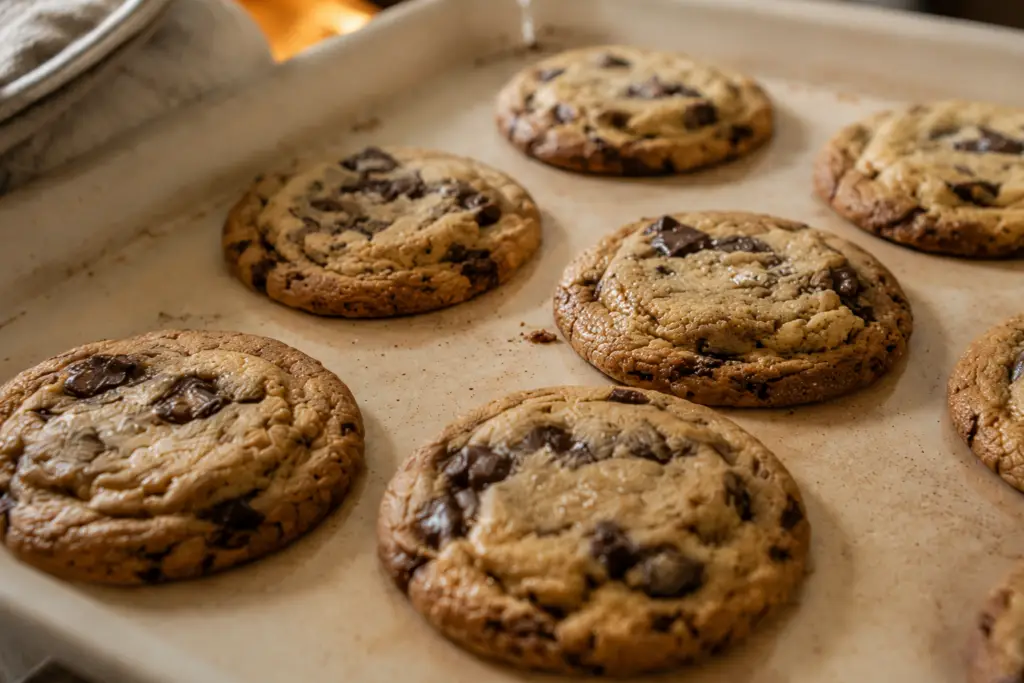
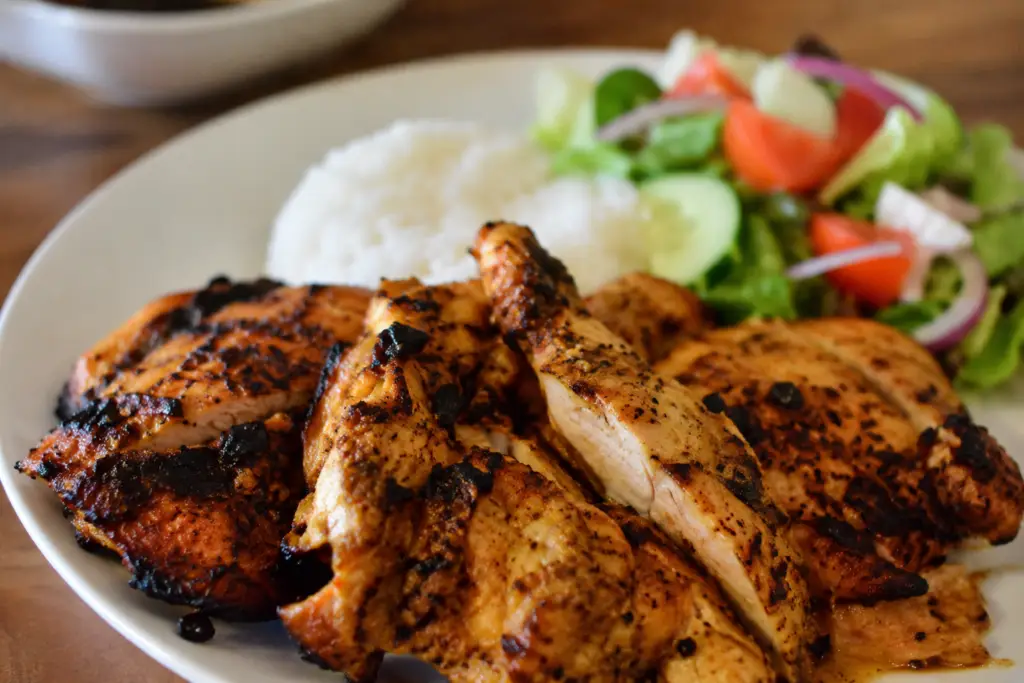
Most cooking failures come from the same handful of issues: wrong heat, wrong timing, wrong ingredient temperature, or pulling food off too late or too early. The fixes are almost never dramatic. A chicken breast that turns out dry needs to come out of the oven at 160 degrees and rest, not 180 degrees and serve immediately. A cookie that spreads too thin had butter that was too warm. Small adjustments solve most home-cooking problems, which is what most of the guides in this section actually document.
The single biggest cooking upgrade for any home cook is a digital instant-read thermometer. A $25 tool eliminates most doneness guesswork instantly: chicken at 165 degrees, bread at 190 to 200, steaks at 130 for medium-rare, caramel at 235 for soft-ball stage. Almost every recipe failure that comes from over- or under-cooking gets solved by knowing the actual temperature rather than eyeballing from time or appearance. For beginner cooks setting up a kitchen from scratch, kitchen essentials for first home setup covers the tools that actually get daily use rather than the ones that sit in a drawer.
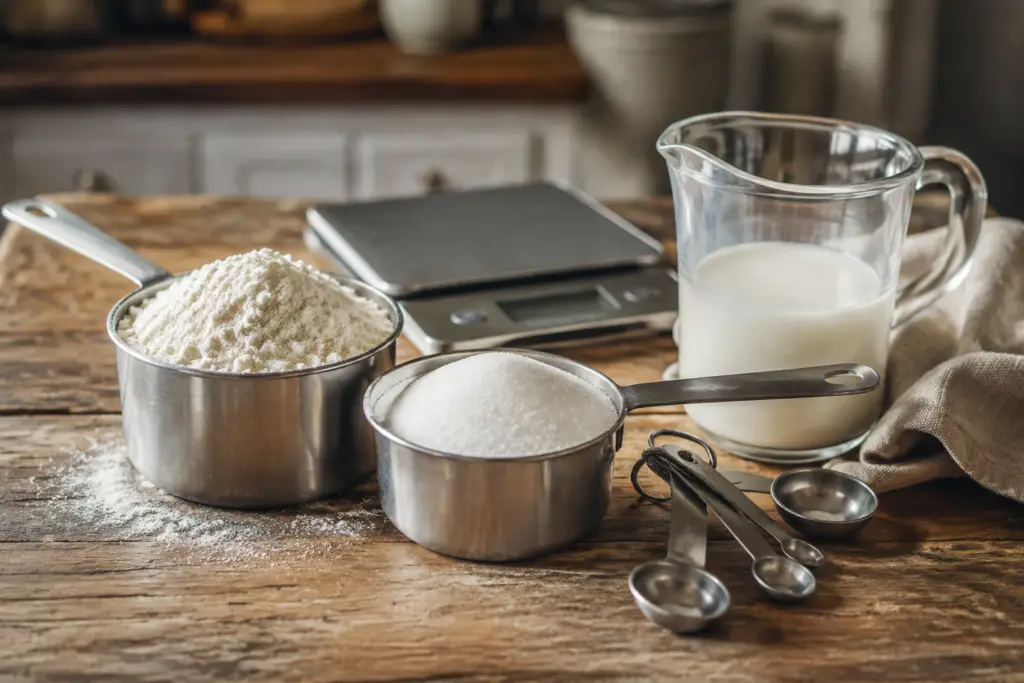
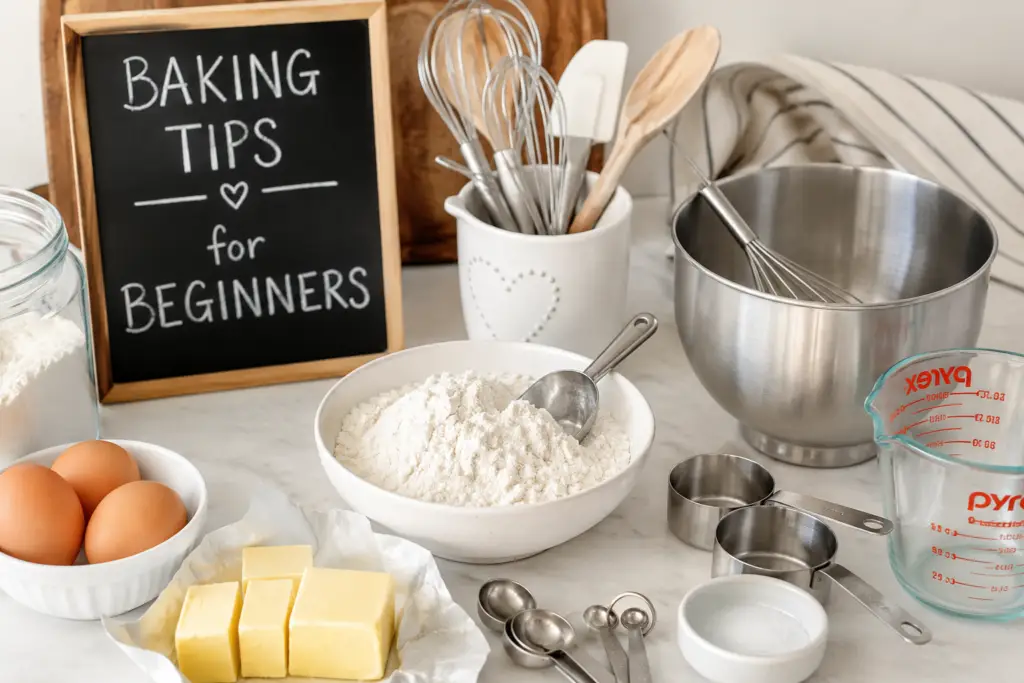
Ingredient temperature is the most-overlooked baking rule. Cold butter in a recipe that calls for room-temperature butter produces a completely different texture. Cold eggs cause melted butter to seize and curdle. Cold milk in a yeast bread slows the rise to the point of failure. Most baking recipes assume room-temperature ingredients unless the recipe specifies otherwise, and pulling ingredients out an hour before baking is the simplest single upgrade most home bakers can make. Baking tips for beginners walks through the ten baking fundamentals worth memorizing before attempting anything more complex.
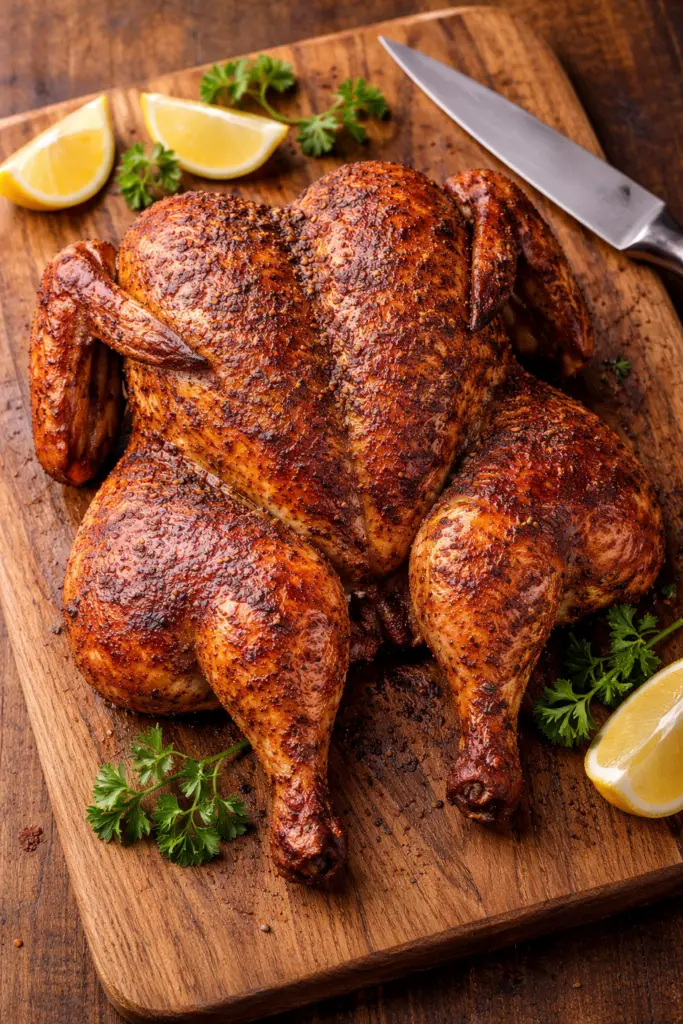
Method choice matters as much as ingredients. Air fryer, oven, slow cooker, and stovetop each produce different textures on the same protein, and knowing when to use which is the difference between weeknight success and a wasted 90 minutes. Explore the cooking method guides for method-specific rundowns, and for cake bakers specifically, perfect cake baking tips covers the ten adjustments that separate bakery-style layer cakes from the dense home versions.