In Short
The best baking powder substitute is baking soda plus an acid. For each teaspoon of baking powder, mix 1/4 teaspoon baking soda with 1/2 teaspoon cream of tartar. Without cream of tartar, add 1/2 cup buttermilk or yogurt to the soda, cut other liquid by 1/2 cup, and bake right away.

Baking Powder Substitute Chart (Per 1 Teaspoon)
Every swap below replaces 1 teaspoon of baking powder.
Scale it up for bigger recipes.
| Swap | For 1 tsp baking powder | Adjust the recipe |
|---|---|---|
| Baking soda + cream of tartar | 1/4 tsp soda + 1/2 tsp cream of tartar | None |
| Baking soda + buttermilk | 1/4 tsp soda + 1/2 cup buttermilk | Cut other liquid by 1/2 cup |
| Baking soda + plain yogurt | 1/4 tsp soda + 1/2 cup yogurt | Cut other liquid by 1/2 cup |
| Baking soda + lemon juice or vinegar | 1/4 tsp soda + 1 tsp lemon juice or white vinegar | None |
| Baking soda + molasses | 1/4 tsp soda + 1/4 to 1/2 cup molasses | Cut other liquid by 1 to 2 tbsp |
| Self-rising flour | Swap for all-purpose flour | Leave out baking powder and salt |
The soda amount looks small for a reason: baking soda is much stronger. McCormick and King Arthur both put it at about one-fourth the amount of baking powder.
How to Make Baking Powder
Baking powder is just baking soda already mixed with a dry acid, and often a little cornstarch.
Add water, and the soda and acid react. The reaction makes the carbon dioxide bubbles that puff up your batter.
So you can build your own from the same parts.
Cream of tartar is a dry acid, which makes it the closest match.
Most sources use 1/4 teaspoon baking soda plus 1/2 teaspoon cream of tartar per teaspoon.
The NDSU Extension substitution chart uses a little more cream of tartar (5/8 teaspoon).
I recommend the 1/2 teaspoon version because it's easy to measure.
| Baking powder needed | Baking soda | Cream of tartar |
|---|---|---|
| 1/2 teaspoon | 1/8 teaspoon | 1/4 teaspoon |
| 1 teaspoon | 1/4 teaspoon | 1/2 teaspoon |
| 2 teaspoons | 1/2 teaspoon | 1 teaspoon |
| 1 tablespoon | 3/4 teaspoon | 1 1/2 teaspoons |
For a little jar to keep, King Arthur Baking adds 1/4 teaspoon cornstarch to each teaspoon's worth.
The starch soaks up moisture so the mix doesn't react in the jar.

For one batch, you can skip it.
Store-bought baking powder is usually double-acting, so it gives one lift when it gets wet and another in the oven.
Your homemade mix starts working the moment it hits liquid. That's why speed matters.
Wondering why some recipes use both? My post on baking soda vs baking powder breaks it down.
Baking Soda Plus Buttermilk, Yogurt, Lemon, or Vinegar
No cream of tartar? Use an acidic ingredient instead.
Buttermilk, plain yogurt, lemon juice, vinegar, and molasses all react with baking soda.
Buttermilk or Yogurt
NDSU's swap for 1 teaspoon of baking powder is 1/4 teaspoon baking soda plus 1/2 cup buttermilk, sour milk, or plain yogurt.
Then cut the other liquid in the recipe by 1/2 cup.
Don't skip that step. Add the buttermilk on top of the milk the recipe already calls for, and the batter turns runny.
If you're out of buttermilk, my buttermilk substitute guide shows how to make it with milk and lemon juice.
Lemon Juice or Vinegar
This one doesn't change your liquids much.
Sources don't agree on the amount: Betty Crocker uses 1/2 teaspoon lemon juice or vinegar per 1/4 teaspoon soda, and McCormick uses 1 full teaspoon.
I recommend McCormick's 1 teaspoon, since leftover soda with too little acid can taste soapy.
Stir the lemon juice or vinegar in with the wet ingredients, and the soda in with the dry.
Molasses
NDSU lists 1/4 teaspoon baking soda plus 1/4 to 1/2 cup molasses, with 1 to 2 tablespoons less liquid.
It adds a deep, spiced flavor, so save it for gingerbread, spice cake, or molasses cookies.
Best Baking Powder Substitute by Recipe
Not every swap fits every bake.
Here's where each one works best.
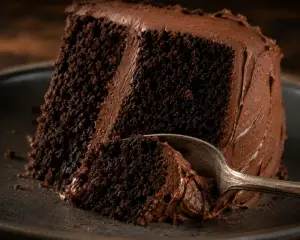
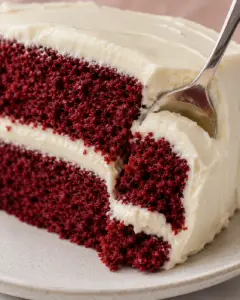
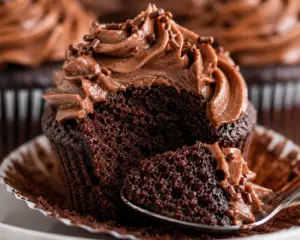
- Cakes and cupcakes: Baking soda + cream of tartar. It adds no extra liquid or flavor.
- Pancakes and waffles: Baking soda + buttermilk. You get lift and that classic tang.
- Biscuits: Self-rising flour or baking soda + buttermilk. Both are biscuit classics.
- Muffins and quick breads: Baking soda + buttermilk, yogurt, or lemon juice. My bakery-style banana muffins already pair baking soda with sour cream and bananas for lift.
- Cookies: Baking soda + cream of tartar. Snickerdoodles already use this exact pair!
Self-Rising Flour
Self-rising flour already has baking powder and salt mixed in.
NDSU's recipe for 1 cup is 1 cup minus 2 teaspoons all-purpose flour, plus 1 1/2 teaspoons baking powder and 1/2 teaspoon salt.
- Swap the flour. Use self-rising flour in place of all-purpose, cup for cup.
- Drop the baking powder. Leave out up to 1 1/2 teaspoons per cup of flour.
- Drop the salt. Leave out about 1/2 teaspoon per cup of flour.
If your recipe uses more baking powder than that, make up the difference with soda and cream of tartar.
If You're Out of Baking Soda Too
No baking soda means no true baking powder swap. You still have a few options.
- Self-rising flour: The leavening is already in the bag.
- Whipped egg whites: Beat the whites from your recipe's eggs to soft peaks and fold them in last. This works for pancakes, waffles, and sponge-style cakes, not dense cookies or bars.
- Club soda: Use it in place of the milk or water in pancakes or waffles for a few extra bubbles. Expect a little lift, not a big rise.
Stacie's Tricks & Tips
- Test It First: McCormick's check is 1 teaspoon of baking powder in 1/4 cup hot water. If it bubbles, it's still good.
- Whisk It In Well: Stir your homemade mix into the dry ingredients so it spreads evenly. Pockets of soda taste bitter.
- Bake Right Away: Homemade swaps start reacting as soon as they get wet. Have the pan ready before you mix.
- Never Swap Soda 1:1: A full teaspoon of soda in place of baking powder tastes bitter and soapy.
- Watch for Flat Cookies: Old leavener is a common culprit. My guide to why cookies turn out flat covers the rest.

Key Takeaway
Keep baking soda and cream of tartar in the pantry, and an empty baking powder can won't stop your baking.
Mix your swap, get it in the oven fast, and start with a stack of my fluffy pancakes.
They're the Saturday breakfast you'll make again and again.