10 Perfect Cake Baking Tips
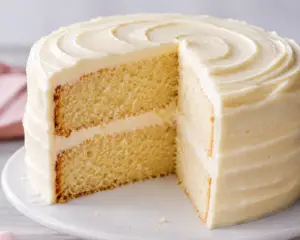
Whether you are a beginner or a seasoned pro, we all want the same thing: a tall, moist, and fluffy cake. Achieving bakery-quality results at home doesn’t require magic—it requires a few fundamental Cake Baking Tips. From the temperature of your butter to the way you measure your flour recipes, these 10 perfect cake baking tips will transform your results.
1. Start with Room Temperature Ingredients
This is one of the most overlooked—but critical—steps in baking.
When ingredients like butter, eggs, and milk are at room temperature, they emulsify properly. This creates a smooth batter that traps air, resulting in a lighter cake.
Why it matters:
- Cold butter = lumpy batter
- Cold eggs = uneven mixing
- Poor emulsification = dense texture
Pro Tip:
Set your ingredients out 30–60 minutes before baking. If you’re short on time:
- Place eggs in warm water for 10 minutes
- Microwave milk for 10–15 seconds
2. Measure Your Flour Correctly
Packing flour into a measuring cup is the #1 reason for dry cakes. Use the “spoon and level” method or a kitchen scale. This is vital for delicate textures like my Cottage Cheese Muffins.
Best method:
- Spoon flour into the measuring cup
- Level with a knife
- Avoid scooping directly (this packs flour!)
- Use a kitchen scale for accuracy.
3. Don’t Overmix the Batter
Once you add your all-purpose flour recipes, mix until just combined. Overmixing develops gluten, which leads to a tough, bready cake.
The rule: Mix until just combined.
Look for:
- No visible flour streaks
- Smooth but not overworked batter
4. Use the Right Fat for Moisture
Fat = flavor + moisture.
Different fats yield different textures:
- Butter → rich flavor
- Oil → ultra moist texture
- Sour cream or yogurt → tender crumb
Pro Tip:
For the best of both worlds, use butter + oil.
5. Don’t Skip the Sifting
Sifting isn’t just for looks—it aerates dry ingredients and prevents clumps.
Benefits:
- Even distribution of baking powder/soda
- Lighter texture
- Smoother batter
6. Preheat Your Oven Properly
A cold oven can ruin your cake before it even starts baking.
Why this matters:
- Cakes rely on immediate heat for proper rise
- Uneven temperature = uneven baking
Pro Tip:
Let your oven preheat for at least 15–20 minutes.
7. Grease and Line Your Pans
For an easy release, grease your pans with unsalted butter and line the bottoms with parchment paper. This is especially helpful for sticky recipes like Monkey Bread.
Pro Tip:
- Avoid over-greasing—it can cause cakes to collapse on the sides.
8. Avoid Opening the Oven Door
Opening the door lets out heat and can cause a cake to sink. Wait until at least 75% of the cook time has passed before checking for doneness.
9. Use an Oven Thermometer
Most ovens are off by 10–25 degrees. An inexpensive thermometer ensures your oven baked recipes cook at the precise temperature required.
10. Cool Completely Before Frosting
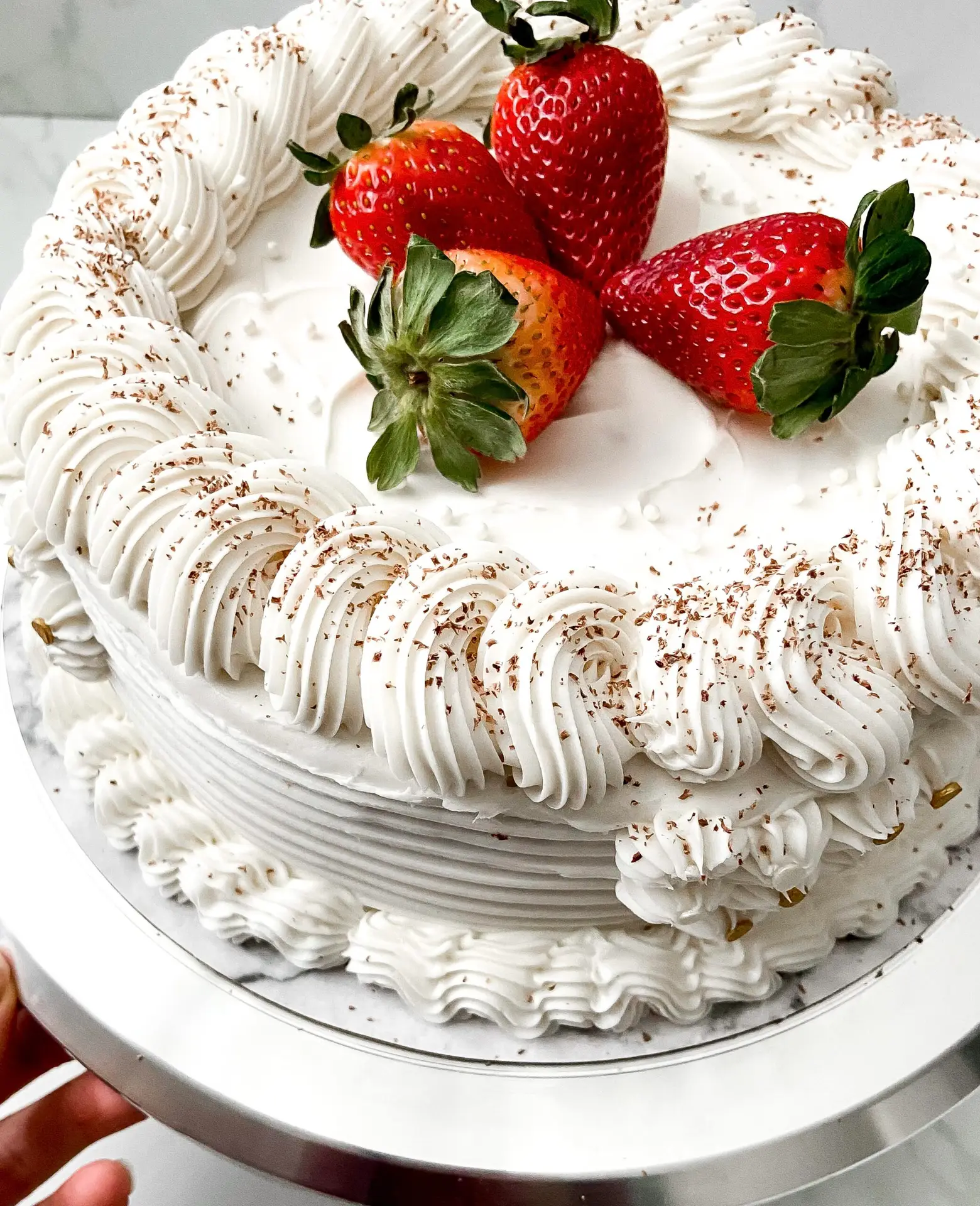
Never frost a warm cake! Let it cool in the pan for 10 minutes, then move to a rack. A cold cake is much easier to cover with Rainbow Buttercream Frosting.
I break this down step-by-step in my Cake Tips 101 guide, where I cover common cake mistakes, troubleshooting tips, and how to consistently get soft, evenly baked, bakery-quality results every time. If you want to feel confident every time you bake, that’s your go-to resource.