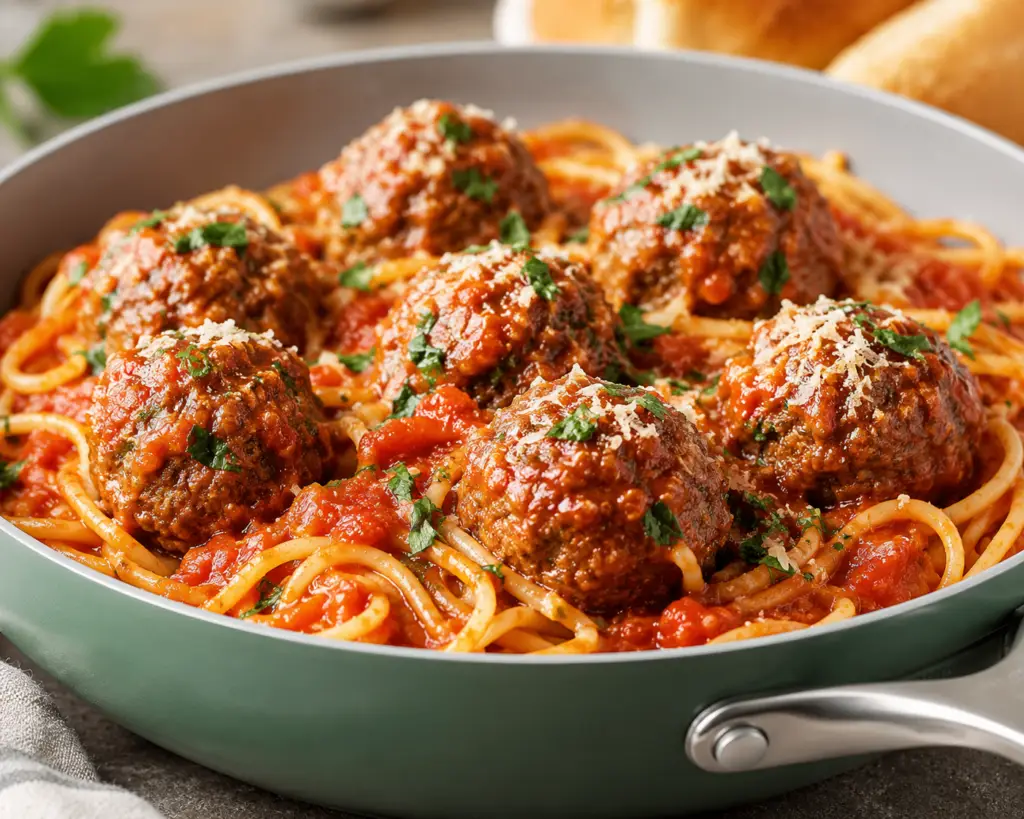
Stovetop cooking gives you the most control over heat, timing, and texture. You can see the food, hear it, smell it, and respond in real time. The trade-off is attention: stovetop dinners rarely run themselves the way oven and slow cooker meals do, which is why most stovetop recipes here finish in 30 minutes or less. The cook has to stay engaged from start to finish in a way that sheet pan dinners or crockpot meals do not require.
The key stovetop skill is managing multiple burners at once. A typical weeknight dinner involves protein in one pan, a vegetable in another, and possibly a starch in a third. Coordinating the timing so everything finishes within the same five-minute window takes practice but is mostly about starting things in the right order. The longest-cooking item starts first, then the medium, then the fast component, so they all land at the same time.
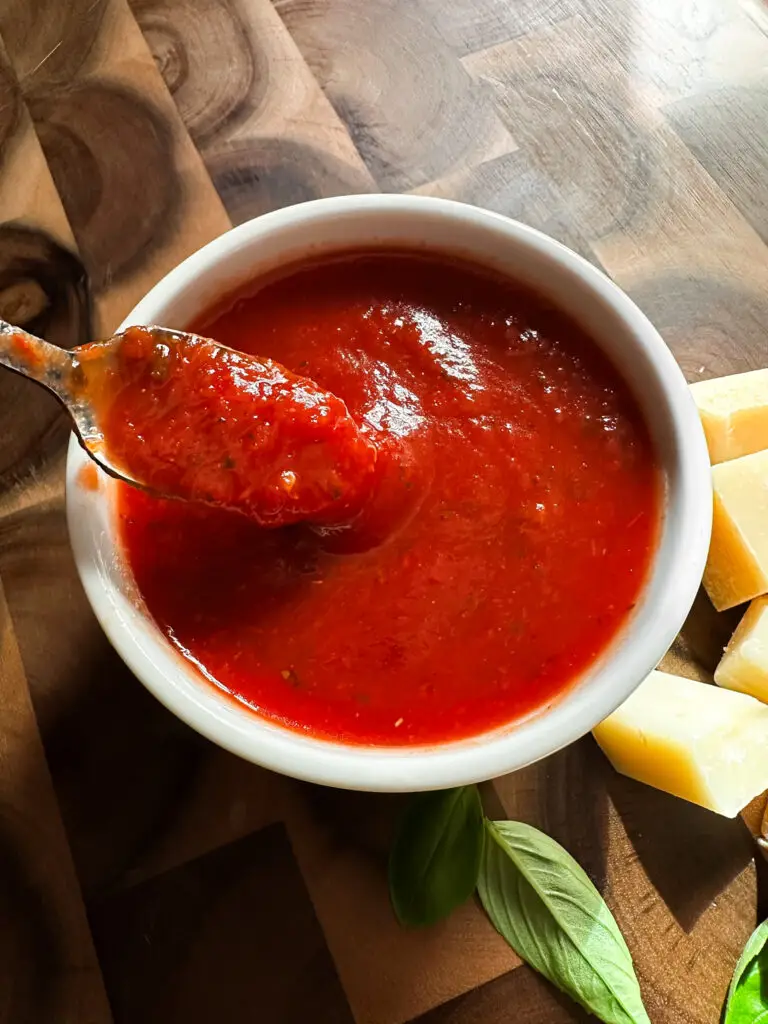
Pan sauces are the underrated stovetop technique that lifts weeknight dinners into restaurant territory. After searing a piece of meat, the browned bits stuck to the pan (called fond) become the foundation of a quick sauce. Pour in a quarter cup of wine, broth, or even water, scrape the fond loose, reduce by half, swirl in a knob of cold butter, and you have a finishing sauce that took 90 seconds and made the dish 30 percent better. This technique is the most underused weeknight upgrade in home cooking.
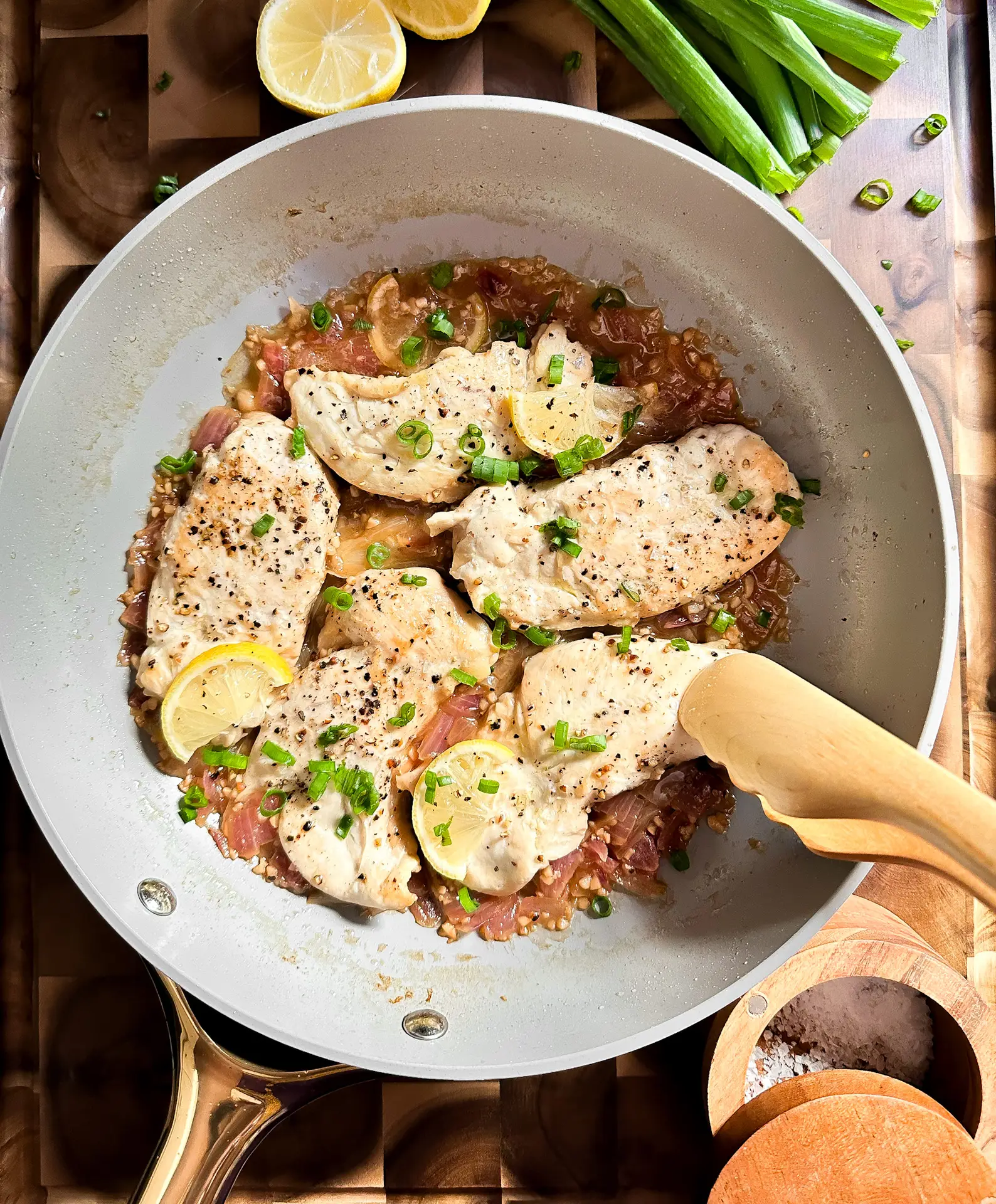
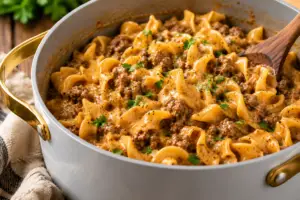
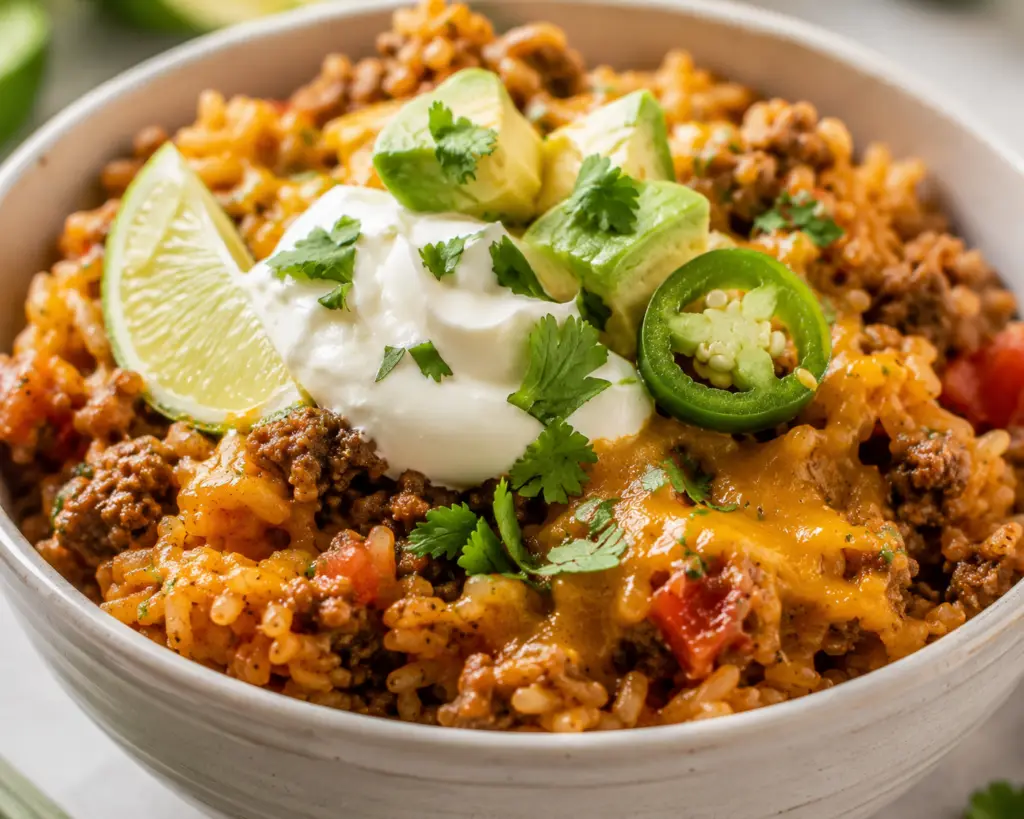
Stovetop techniques work for chicken recipes, especially cutlets, paillards, and pan-seared pieces, and most ground beef recipes where browning is the foundation of the flavor. For the broader technique library, cooking method covers oven, slow cooker, and air fryer alternatives. The Best Homemade Sloppy Joe is the textbook stovetop chicken recipe, with a thin cutlet that cooks in under five minutes per side over high heat. For ground beef, Homemade Hamburger Helper demonstrates the pan sauce technique on a one-skillet weeknight dinner.