Eggs may be one of the first foods you learn to cook, but getting them exactly right takes a little practice. The heat can be too high, the yolk can break, the whites can turn rubbery, or the shell can refuse to peel.
The good news is that eggs are affordable, quick to prepare, and suited to nearly every meal. You can fry one for a breakfast sandwich, poach one for avocado toast, scramble a few for a fast dinner, or bake a full pan for weekend brunch.
This beginner-friendly guide covers all the ways to cook eggs, including frying, scrambling, boiling, poaching, baking, steaming, and air frying. You will also learn which temperature to use, how long each method takes, and how to avoid the most common egg-cooking mistakes.
Quick Guide to Egg Cooking Methods
| Cooking method | Typical time | Finished texture | Best for |
|---|---|---|---|
| Scrambled | 3 to 5 minutes | Soft and creamy or firm | Breakfast plates, burritos, toast |
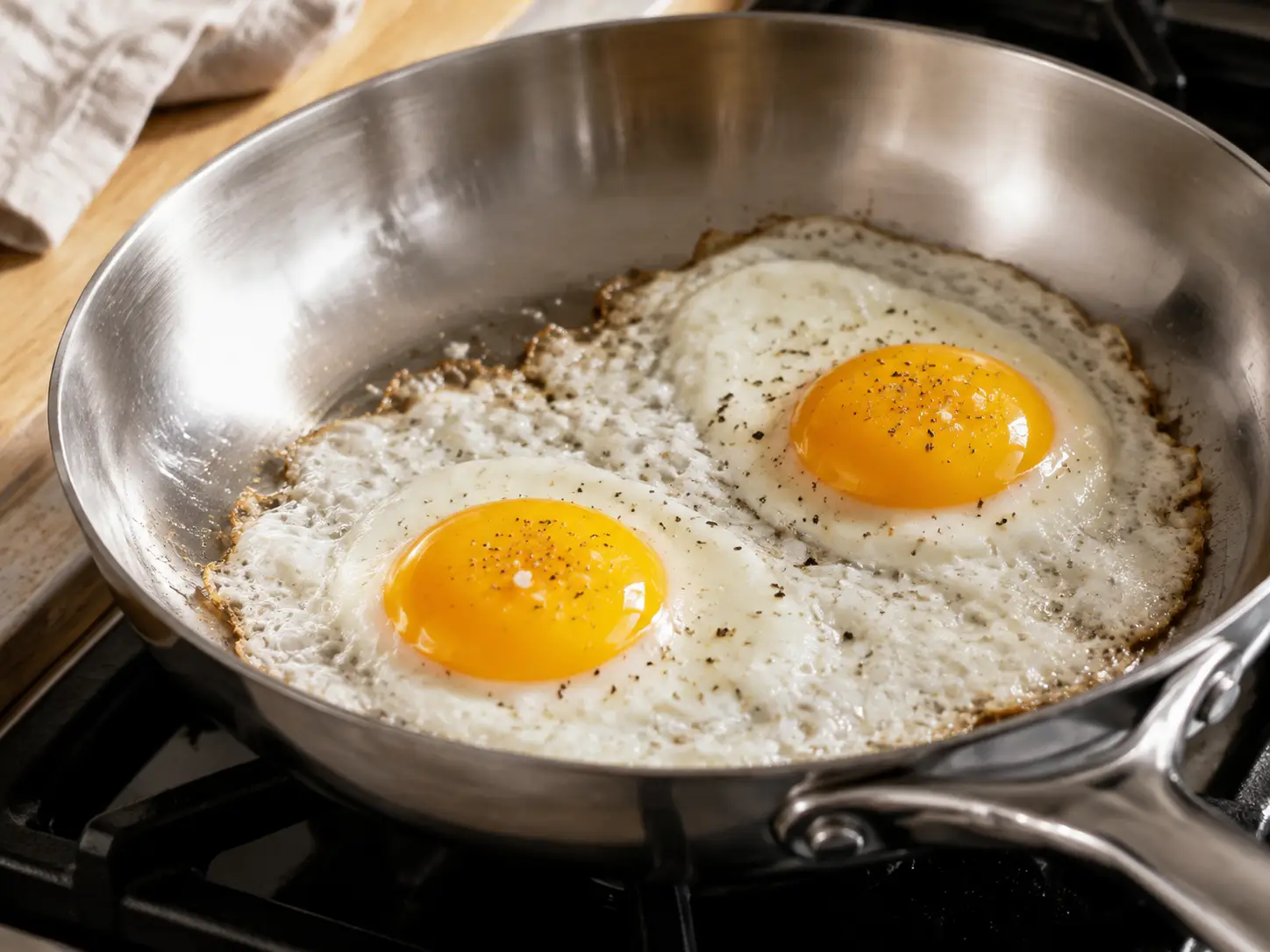
| Sunny-side up | 3 to 4 minutes | Set white, runny yolk | Toast, grain bowls, burgers |
| Over easy | 3 to 4 minutes | Set white, runny yolk | Breakfast sandwiches |
| Over medium | 4 to 5 minutes | Set white, jammy yolk | Toast and breakfast plates |
| Over hard | 5 to 6 minutes | Fully cooked yolk | Sandwiches and meal prep |
| Hard-boiled | 10 to 12 minutes | Firm white and yolk | Salads, snacks, deviled eggs |
| Soft-boiled | 6 to 7 minutes | Firm white, runny yolk | Toast and ramen |
| Jammy boiled | 7 to 9 minutes | Firm white, creamy yolk | Grain bowls and salads |
| Poached | 3 to 4 minutes | Tender white, runny yolk | Eggs Benedict and toast |
| Baked | 10 to 15 minutes | Soft or firm, depending on time | Brunch and meal prep |
| Steamed | 6 to 12 minutes | Similar to boiled eggs | Snacks, salads, meal prep |
| Air-fried | 8 to 15 minutes | Soft to fully cooked | Hands-off breakfasts |
| Coddled | 6 to 10 minutes | Soft and creamy | Toast and breakfast bowls |
| Shirred | 10 to 15 minutes | Baked white with a soft yolk | Brunch |
| Sous vide | 45 to 75 minutes | Very even and custardy | Restaurant-style eggs |
What Is the Best Way to Cook Eggs?
The best way to cook eggs depends on the texture you want and how you plan to serve them.
Choose scrambled eggs when you want something fast, soft, and easy to add to toast or a breakfast burrito. Choose fried eggs when you want crisp edges or a runny yolk. Boiled eggs work well for meal prep, while poached eggs are a good choice when you want tender whites without added butter or oil.
For feeding several people, baked eggs, a frittata, or a sheet-pan egg breakfast can save time. If you want a mostly hands-off method, steaming or air frying may be the easiest choice.
Before You Start: A Few Egg-Cooking Basics
Eggs cook quickly, so preparation matters. Have your pan, spatula, seasonings, and serving plate ready before the eggs hit the heat.
- Use the Right Heat
High heat is one of the most common reasons eggs turn dry or rubbery. Low to medium heat gives you more control and allows the whites and yolks to cook at a steadier pace.
Fried eggs can handle medium heat, especially if you enjoy crisp edges. Scrambled eggs usually turn out better over low or medium-low heat.
- Crack Eggs Into a Small Bowl First
Cracking eggs into a small bowl makes it easier to remove shell pieces and check the egg before adding it to a pan or pot. This is especially helpful when poaching eggs because you can slide each egg gently into the water.
- Fresh Eggs and Older Eggs Behave Differently
Fresh eggs tend to have firmer whites that hold their shape. This makes them a good choice for poaching and frying.
Eggs that have been refrigerated for several days are often easier to peel after boiling. They are a good choice for hard-boiled eggs, egg salad, and deviled eggs.
- Know When an Egg Is Cooked
Egg whites change from clear to opaque as they cook. Yolks thicken gradually, moving from runny to jammy and finally to firm.
Egg dishes such as casseroles, frittatas, and scrambled eggs should reach 160°F when food safety is a concern. People who are pregnant, older, very young, or immunocompromised should avoid undercooked eggs unless pasteurized eggs are used.
1. How to Make Scrambled Eggs
Scrambled eggs are made by beating eggs and cooking them while gently stirring. The texture can range from soft and creamy to firm and fluffy.
How to Cook Soft Scrambled Eggs
- Crack the eggs into a bowl.
- Add a small pinch of salt.
- Whisk until the whites and yolks are fully combined.
- Melt butter in a nonstick skillet over low heat.
- Pour in the eggs.
- Stir slowly with a silicone spatula, moving the cooked portions toward the center.
- Remove the pan from the heat while the eggs still look slightly glossy.
The remaining heat in the pan will finish cooking them. Waiting until they look completely dry usually leads to overcooked eggs.
How to Make Fluffy Scrambled Eggs
Whisk the eggs well to add air, then cook them over medium-low heat. Let the eggs sit for several seconds before folding them into large curds.
A splash of milk is optional. It can make the eggs feel lighter, but too much liquid may make them watery. One tablespoon of milk or cream for every two eggs is plenty.
Why Are My Scrambled Eggs Rubbery?
Scrambled eggs usually turn rubbery because they were cooked over heat that was too high or left in the pan too long. Lower the temperature and take the pan off the burner just before the eggs appear completely finished.
Helpful Tip
Add cheese when the eggs are almost done. Adding it too early can cause the cheese to release oil or stick to the pan.
2. How to Cook Sunny-Side Up Eggs
A sunny-side up egg is cooked on one side without flipping. The white should be set while the yolk remains runny.
- Heat a nonstick skillet over medium-low heat.
- Add butter or a small amount of oil.
- Crack the egg into a bowl, then slide it into the skillet.
- Cook for 3 to 4 minutes.
- Remove the egg when the white is opaque and the yolk is still soft.
If the white near the yolk is not cooking quickly enough, cover the skillet for 30 to 60 seconds. The trapped steam will cook the top without requiring you to flip the egg.
For crisp edges, use medium heat and a little more oil. Spoon some of the warm oil over the egg white while keeping it away from the yolk.
3. How to Cook Eggs Over Easy
An over-easy egg is fried on both sides. The white is cooked, but the yolk remains runny.
- Heat butter or oil in a nonstick skillet over medium-low heat.
- Add the egg and cook until most of the white is set.
- Slide a thin spatula completely under the egg.
- Flip it gently.
- Cook the second side for about 15 to 30 seconds.
Use a wide spatula and keep the egg close to the surface of the pan during the flip. Dropping it from too high can break the yolk.
4. How to Cook Eggs Over Medium
Over-medium eggs have fully cooked whites and thick, jammy yolks.
Follow the same steps used for over-easy eggs, but cook the second side for approximately 30 to 60 seconds. The exact time depends on the size of the egg and the heat of the skillet.
An over-medium egg is a good middle ground if you like a soft yolk but do not want it to run across the plate.
5. How to Cook Eggs Over Hard
Over-hard eggs are fried on both sides until the yolk is fully cooked.
- Add the egg to a buttered or oiled skillet.
- Cook until the bottom and most of the white are set.
- Flip the egg.
- Cook for another 1 to 2 minutes.
- Press lightly near the yolk to check that it feels firm.
You can break the yolk with the spatula before flipping if you want a flatter egg for a breakfast sandwich.
6. How to Baste an Egg
Basted eggs have set whites and soft yolks. You can baste with butter or use a small amount of water and a lid.
Butter-Basted Eggs
- Melt 1 to 2 tablespoons of butter in a skillet.
- Add the egg.
- Tilt the pan slightly so the butter collects along one side.
- Spoon the warm butter over the egg white.
- Continue until the white is set.
Avoid pouring hot butter directly over the yolk unless you want the surface of the yolk to cook.
Steam-Basted Eggs
- Fry the egg until the bottom begins to set.
- Add about 1 teaspoon of water to the edge of the pan.
- Cover immediately.
- Cook for 30 to 60 seconds.
This method cooks the top quickly and does not require flipping.
7. How to Hard-Boil Eggs
Hard-boiled eggs have fully set whites and yolks. They work well for snacks, salads, sandwiches, and deviled eggs.
Stovetop Hard-Boiled Eggs
- Place the eggs in a saucepan in a single layer.
- Cover them with cold water by about 1 inch.
- Bring the water to a boil.
- Once boiling, cover the pan and turn off the heat.
- Let the eggs sit for 10 to 12 minutes.
- Transfer them immediately to a bowl of ice water.
- Cool for at least 5 minutes before peeling.
A 10-minute egg may have a slightly softer center. A 12-minute egg will have a firmer yolk.
Why Use an Ice Bath?
Ice water stops the cooking process and prevents the yolks from continuing to cook. It can also make the eggs easier to handle and peel.
How to Prevent a Green Ring Around the Yolk
A gray-green ring can form when eggs are cooked for too long or cooled too slowly. Use a timer and move the eggs directly into ice water.
The discoloration is harmless, but it can make the eggs look less appealing.
8. How to Make Soft-Boiled Eggs
Soft-boiled eggs have set whites and warm, runny yolks. They are often served with buttered toast, ramen, roasted vegetables, or grain bowls.
- Bring a saucepan of water to a gentle boil.
- Lower cold eggs into the water with a spoon.
- Cook for 6 to 7 minutes.
- Transfer the eggs to ice water for 1 to 2 minutes.
- Peel carefully and serve right away.
Six minutes produces a looser yolk. Seven minutes gives the yolk a slightly thicker consistency.
9. How to Make Jammy Eggs
Jammy eggs fall between soft-boiled and hard-boiled eggs. The white is firm, while the center of the yolk is creamy and spreadable.
- Bring water to a gentle boil.
- Lower the eggs into the pot.
- Cook for 7 to 9 minutes.
- Transfer to ice water.
- Peel once cool enough to handle.
Start with 8 minutes if you are unsure. Adjust the time by 30 seconds the next time based on your preferred yolk texture.
Jammy eggs are especially good in salads, rice bowls, noodle dishes, and on avocado toast.
10. How to Poach Eggs
Poached eggs are cooked without their shells in gently simmering water. They have delicate whites and soft yolks.
- Fill a saucepan with 2 to 3 inches of water.
- Bring the water to a gentle simmer, not a rolling boil.
- Crack one egg into a small bowl.
- Add a small splash of vinegar to the water if desired.
- Slide the egg into the water.
- Cook for 3 to 4 minutes.
- Lift the egg out with a slotted spoon.
- Blot the bottom on a clean towel before serving.
11. How to Make an Omelet
An omelet is made from beaten eggs cooked in a skillet and folded around fillings.
- Beat 2 or 3 eggs with a pinch of salt.
- Melt butter in an 8-inch nonstick skillet over medium-low heat.
- Pour in the eggs.
- Pull the cooked edges toward the center while tilting the pan.
- Add cheese, herbs, cooked vegetables, or cooked meat to one half.
- Fold the other half over the filling.
- Slide the omelet onto a plate.
Keep the fillings modest. Too many ingredients can make the omelet difficult to fold and may tear the center.
Watery vegetables can also cause trouble. Cook mushrooms, spinach, onions, and peppers before adding them to the eggs.
12. How to Make a French Omelet
A French omelet is soft, pale, and smooth on the outside, with small, creamy curds inside. It is rolled instead of folded in half.
Cook beaten eggs in butter over low to medium-low heat while stirring constantly. As the eggs begin to set, smooth them into an even layer. Roll the omelet into a cylinder and slide it onto a plate with the seam facing down.
This method takes practice because the eggs should remain tender without developing much browning.
13. How to Make a Frittata
A frittata is an Italian-style egg dish that begins on the stovetop and often finishes in the oven. It is thicker than an omelet and works well for feeding a group.
- Whisk 6 to 8 eggs with salt and pepper.
- Cook vegetables, meat, or other fillings in an oven-safe skillet.
- Spread the fillings evenly around the pan.
- Pour in the eggs.
- Cook over medium-low heat until the edges begin to set.
- Transfer the skillet to a 375°F oven.
- Bake for 8 to 12 minutes, or until the center is just set.
Avoid overbaking. The center should no longer look liquid, but it can still have a slight jiggle when you remove the skillet from the oven.
14. How to Make a Quiche
Quiche is a savory egg custard baked inside a pastry crust. The filling usually contains eggs, milk or cream, cheese, vegetables, or cooked meat.
A common starting ratio is 1 large egg for every 1/2 cup of dairy. Many 9-inch quiches use 3 to 4 eggs and 1 1/2 to 2 cups of milk, cream, or a combination of both.
Bake quiche at 350°F until the edges are set and the center has a gentle wobble, usually 35 to 45 minutes. Let it rest before slicing so the custard can finish setting.
15. How to Bake Eggs in Ramekins
Individual baked eggs are easy to customize and serve.
- Heat the oven to 375°F.
- Grease a ramekin with butter or oil.
- Add cooked vegetables, cheese, or ham if desired.
- Crack one or two eggs into the ramekin.
- Season with salt and pepper.
- Bake for 10 to 15 minutes.
Start checking after 10 minutes. The eggs can move from soft to firm quickly.
Placing the ramekins in a baking dish filled with a small amount of hot water creates gentler heat and can help the eggs cook more evenly.
16. How to Make Shirred Eggs
Shirred eggs are eggs baked in a shallow, buttered dish, often with cream, cheese, or herbs.
Add a spoonful of cream to the dish, crack in the eggs, and bake at 375°F until the whites are set around the edges. Depending on the dish and your preferred yolk texture, this usually takes 10 to 15 minutes.
Shirred eggs are similar to ramekin-baked eggs, but they are often cooked in a wider, shallower dish.
17. How to Make Coddled Eggs
Coddled eggs are gently cooked in a small covered container placed in hot water. The low, moist heat produces tender whites and creamy yolks.
- Butter the inside of an egg coddler or small heat-safe jar.
- Crack in the egg.
- Add herbs, cheese, or cream if desired.
- Close the container loosely.
- Place it in gently simmering water.
- Cook for 6 to 10 minutes.
The water should reach partway up the side of the container but should not cover it.
18. How to Steam Eggs
Steaming eggs is similar to boiling them, but the eggs cook in steam above a small amount of water.
- Add about 1 inch of water to a pot.
- Place a steamer basket inside.
- Bring the water to a boil.
- Add the eggs to the basket.
- Cover the pot.
- Steam for 6 to 7 minutes for soft yolks or 11 to 13 minutes for firm yolks.
- Transfer the eggs to ice water.
Steaming can make eggs easier to peel because the hot steam reaches the shells immediately.
19. How to Cook Eggs in an Air Fryer
You can cook eggs in their shells in an air fryer without adding water. Since air fryers vary, your first batch may require a small timing adjustment.
- Preheat the air fryer to 270°F if your model recommends preheating.
- Place cold eggs in the basket.
- Cook for approximately 9 to 11 minutes for soft centers.
- Cook for 12 to 13 minutes for jammy centers.
- Cook for 14 to 16 minutes for firm yolks.
- Move the eggs to ice water.
Some air fryers do not operate below 300°F. If that applies to yours, begin checking earlier and expect the cooking time to be shorter.
Small brown marks can appear on the shells or whites. These spots are usually caused by the rapid circulation of hot air and are generally harmless.
20. How to Make Microwave Scrambled Eggs
The microwave is useful when you need one serving and do not want to wash a skillet.
- Coat a microwave-safe mug or bowl with cooking spray or butter.
- Add 2 eggs and a pinch of salt.
- Whisk well.
- Microwave for 30 seconds.
- Stir.
- Continue cooking in 15 to 20-second intervals, stirring after each interval.
- Stop when the eggs are softly set.
The bowl may become very hot, so handle it carefully. Eggs can also overcook quickly in the microwave. Short cooking intervals give you better control.
Do not microwave an egg in its shell because pressure can build inside and cause it to burst.
21. How to Make Sheet-Pan Eggs
Sheet-pan eggs are helpful for meal prep and breakfast sandwiches.
- Heat the oven to 350°F.
- Grease a rimmed sheet pan well.
- Whisk 12 eggs with salt, pepper, and up to 1/2 cup of milk.
- Pour the mixture into the pan.
- Add cooked vegetables, cheese, or meat.
- Bake for 12 to 18 minutes.
- Cool briefly, then cut into squares.
Use a smaller sheet pan if you want thicker pieces. A large pan will produce a thinner layer that cooks more quickly.
22. How to Make Egg Muffins
Egg muffins are individual baked egg cups made in a muffin pan.
- Heat the oven to 350°F.
- Grease the muffin pan generously.
- Divide cooked fillings among the cups.
- Pour beaten eggs over the fillings.
- Fill each cup about three-quarters full.
- Bake for 18 to 22 minutes.
Let the egg muffins cool for several minutes before removing them. A silicone spatula can help loosen the edges without scratching the pan.
Store cooled egg muffins in the refrigerator for up to four days. Reheat them briefly so they do not become tough.
23. How to Make Egg-in-a-Hole
Egg-in-a-hole is made by cooking an egg inside a cutout in a slice of bread.
- Cut a round hole in the center of a slice of bread.
- Butter both sides of the bread.
- Place it in a skillet over medium-low heat.
- Crack an egg into the hole.
- Cook until the bottom is golden and the egg white begins to set.
- Flip carefully.
- Cook until the egg reaches your preferred texture.
Cook the bread cutout beside the slice and use it for dipping into the yolk.
24. How to Make Cloud Eggs
Cloud eggs are made by separating the whites from the yolks. The whites are whipped and baked, then the yolks are added near the end.
- Heat the oven to 375°F.
- Separate the eggs, keeping each yolk intact.
- Whip the whites until stiff peaks form.
- Fold in cheese or herbs if desired.
- Spoon the whites onto a lined baking sheet.
- Make a small well in each mound.
- Bake for 3 minutes.
- Add a yolk to each well.
- Bake for another 2 to 4 minutes.
The finished eggs have lightly browned, airy whites and soft yolks.
25. How to Sous Vide Eggs
Sous vide eggs cook in a temperature-controlled water bath. This produces consistent whites and yolks, but the method takes longer than boiling or poaching.
Cook eggs in their shells at approximately 145°F for 45 to 60 minutes for very soft, custardy eggs. A slightly higher temperature or longer cooking time creates firmer whites and yolks.
The exact result changes with even small temperature adjustments, so follow the instructions for your sous vide machine and your preferred egg style.
How to Separate Egg Whites and Yolks
Crack the egg gently and pass the yolk between the two shell halves while allowing the white to fall into a bowl. You can also crack the egg into your clean hand and let the white run between your fingers.
Separate each egg over a small bowl before adding the white to a larger mixing bowl. If a yolk breaks, it will not ruin the whites you have already separated.
Egg whites whip best when the bowl and whisk are clean and free of grease.
What Type of Pan Is Best for Cooking Eggs?
A nonstick skillet is the easiest option for scrambled eggs, omelets, and delicate fried eggs. It requires less fat and makes flipping easier.
A well-seasoned cast-iron skillet is a good choice for crispy fried eggs and frittatas. Stainless steel also works, but it needs to be properly preheated and coated with enough butter or oil to reduce sticking.
An 8-inch skillet is a practical size for one or two eggs. A 10-inch skillet works well for larger portions.
Butter or Oil: Which Is Better for Eggs?
Butter adds rich flavor and works well for scrambled eggs, omelets, and eggs cooked over low heat. It can burn when the pan becomes too hot.
Oil handles higher heat and is a better choice for fried eggs with brown, crisp edges. Olive oil adds flavor, while avocado oil has a milder taste.
You can also use a combination of butter and oil. The butter adds flavor, and the oil helps it tolerate slightly higher heat.
When Should You Season Eggs?
Salt can be added before or during cooking. For scrambled eggs, seasoning before cooking helps distribute the salt evenly.
For fried or poached eggs, season after cooking so you can see how much salt lands on the white and yolk.
Black pepper, chives, parsley, dill, paprika, red pepper flakes, garlic powder, and everything bagel seasoning all pair well with eggs.
Common Egg-Cooking Mistakes
- Cooking Over Heat That Is Too High
High heat can brown the outside before the center is ready. It also makes scrambled eggs dry and firm. Lower the heat and allow an extra minute or two.
- Leaving Eggs in the Pan Too Long
Eggs continue to cook after the pan leaves the burner. Transfer them to a plate when they are just shy of your preferred texture.
- Using the Wrong Pan Size
A pan that is too large causes beaten eggs to spread into a thin layer and cook too quickly. A pan that is too small can crowd fried eggs and make flipping difficult.
- Not Using Enough Fat
A thin coating of butter or oil prevents sticking and helps transfer heat across the surface of the egg. Even nonstick pans usually benefit from a small amount.
- Using Watery Omelet Fillings
Raw mushrooms, tomatoes, spinach, and other vegetables can release moisture. Cook them first and drain excess liquid before adding them to an omelet or frittata.
- Boiling Eggs Too Aggressively
A rolling boil can cause eggs to knock against the pot and crack. Once the water boils, reduce the heat or use the covered, off-heat method.
- Skipping the Ice Bath
Without an ice bath, boiled eggs continue cooking. This can produce dry yolks and a green ring around the center.
How to Store Cooked Eggs
Hard-boiled eggs can be refrigerated for up to one week. Keep them in their shells until you are ready to eat them for the best texture.
Cooked egg dishes, scrambled eggs, frittatas, and egg muffins are best eaten within three to four days. Store them in a covered container in the refrigerator.
Reheat cooked eggs gently. High heat can make them watery or rubbery. Use short microwave intervals or warm them in a covered skillet over low heat.
Runny fried, poached, and soft-boiled eggs are best served soon after cooking.
Easy Ways to Serve Eggs
Eggs can turn simple ingredients into a filling meal. Try serving them with:
- Buttered toast or an English muffin
- Avocado toast
- Roasted potatoes
- Fresh fruit
- Sautéed vegetables
- Rice or quinoa bowls
- Ramen or noodle soup
- Breakfast tacos
- Biscuits
- Pancakes or waffles
- A green salad
- Toasted sourdough
- Smoked salmon
- Cottage cheese
- Crispy bacon or breakfast sausage
Which Egg Method Is Easiest for Beginners?
Scrambled eggs are usually the easiest place to start because they do not need to hold a specific shape. You can watch the texture change and remove them from the heat when they look almost done.
Hard-boiled eggs are another beginner-friendly choice because a timer does most of the work. If peeling is difficult, steaming the eggs may give you better results.
Fried eggs take slightly more practice, especially if you want to flip them without breaking the yolk. A nonstick skillet and a wide spatula make the job easier.
More Cooking Guides to Try
Once you know how to cook eggs, try these helpful kitchen guides next:
- Every Type of Flour Explained
- Baking Tips for Complete Beginners
- Baking Measurement Conversion Chart
- Oven Temperature Conversion Chart
- Every Way to Thicken a Sauce
- Buttermilk Substitute Guide
- Egg Substitute Guide for Baking
- Why Did My Cake Sink in the Middle?
- Why Are My Cookies Flat?
- Why Are My Brownies Cakey Instead of Fudgy?
Before You Go
Learning how to cook eggs gives you dozens of quick meal options. Start with scrambled, fried, and boiled eggs, then try poaching, steaming, baking, or making a frittata as you become more comfortable.
Keep the heat under control, use a timer, and remove eggs just before they reach your preferred texture. Once you understand how quickly eggs cook, it becomes much easier to get soft whites, creamy yolks, and tender scrambled eggs every time.