
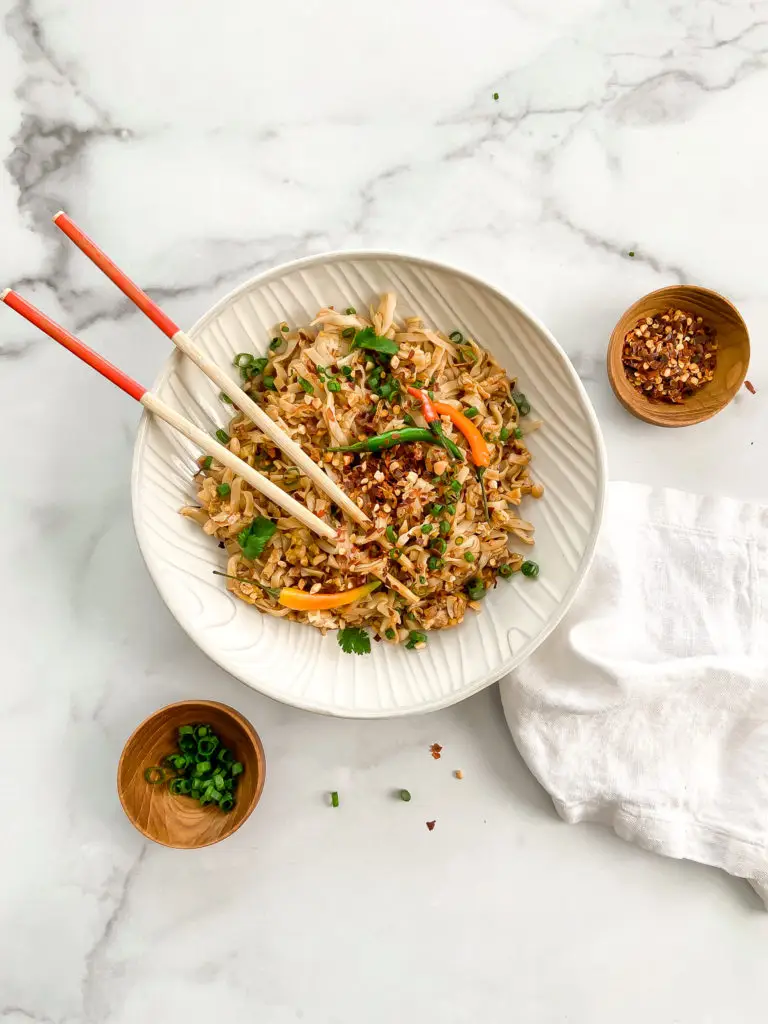
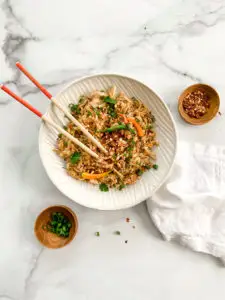
Tofu is the soy-based protein that anchors vegan and vegetarian cooking on this site. Different firmness levels (silken, soft, medium, firm, extra-firm) each have specific best uses, substituting one for another produces dramatically different finished results in the same recipe. A reader favorite where tofu can be substituted for the shrimp is Easy Pad Thai Noodles where the firm pressed tofu absorbs the tamarind-and-fish-sauce flavor through the stir-fry.
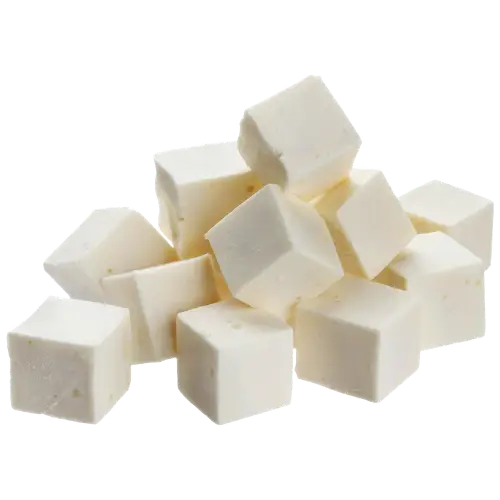
Tofu firmness levels have specific uses. Silken tofu is custard-like, used in smoothies, soups, and vegan custards. Soft tofu is slightly firmer, used in mapo tofu and Korean sundubu. Medium tofu is for general cooking. Firm and extra-firm tofu are the right choices for stir-fries, baked applications, and any cooking where the tofu needs to hold its shape. Each level requires different prep, silken can be added directly to dishes; firm and extra-firm benefit from pressing.
For tofu pressing (the technique that transforms most tofu cooking), the standard approach is to wrap a block in clean kitchen towels, place a heavy object (cast iron pan, books) on top, and press for 20-30 minutes. The expelled water lets the tofu develop a crispy crust during cooking. Tofu presses (the specialty kitchen tool) speed this up to 5-10 minutes with consistent pressure. Pressed tofu absorbs marinades much faster than unpressed.
For baked tofu (the easiest preparation), the technique is to cube pressed extra-firm tofu, toss with 2 tablespoons soy sauce, 1 tablespoon cornstarch, and 1 tablespoon olive oil, spread on a parchment-lined sheet pan, bake at 425°F for 25-30 minutes flipping once. The cornstarch creates a crispy crust; the soy sauce provides the seasoning base. The result works in grain bowls, salads, and as a snack.
For Asian stir-fries, pressed extra-firm tofu cubed and pan-seared in hot oil produces the closest texture to restaurant tofu. The technique: heat 2 tablespoons oil in a wok or skillet, add cubed tofu in a single layer, don’t move for 4-5 minutes, flip and repeat. The tofu develops a golden crust before being added to the sauce. soy sauce and sesame oil in the sauce provide the foundational Asian flavor profile. Other reader picks that build on tofu include Vegan Spicy Stir Fy with Rice and Vegan Cauliflower Curry. Browse chickpeas, rice, and salt for closely related cooking applications.
Tofu works well in stir-fries, noodle bowls, soups, salads, and rice dishes. Its mild flavor absorbs marinades and sauces easily. Cube tofu and sauté it for stir-fries, bake it for crispy bowls, or crumble it into scrambles. Using firm or extra-firm tofu helps the pieces hold their shape during cooking.
Press tofu first to remove excess moisture so it cooks better. Cut it into cubes or slices, then cook it in a hot pan with oil until golden. You can also bake or air-fry tofu for a crisp texture. Season it with sauces or spices after browning to build flavor.
Good substitutes for tofu include tempeh, chickpeas, lentils, or paneer depending on the dish. Tempeh provides a similar plant-based protein with a firmer texture, while beans work well in bowls and salads. Choose a substitute that matches the cooking method and flavor profile of the recipe.
Tofu is a good source of plant-based protein and contains important nutrients like calcium, iron, and magnesium. It is low in saturated fat and can support a balanced diet. Adding tofu to stir-fries, salads, and grain bowls is an easy way to include more protein in meals.
For more vegetarian protein and umami ingredient options, see our bean sprouts and mushrooms recipes.