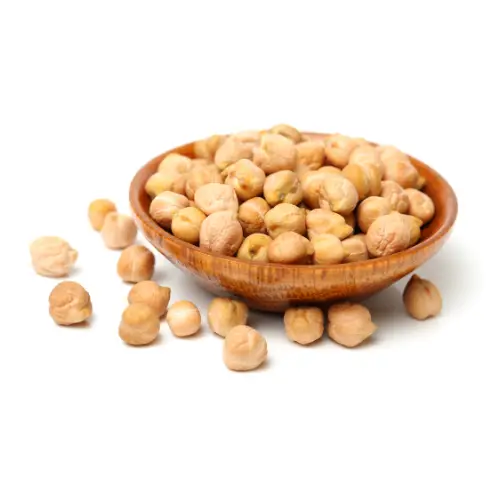
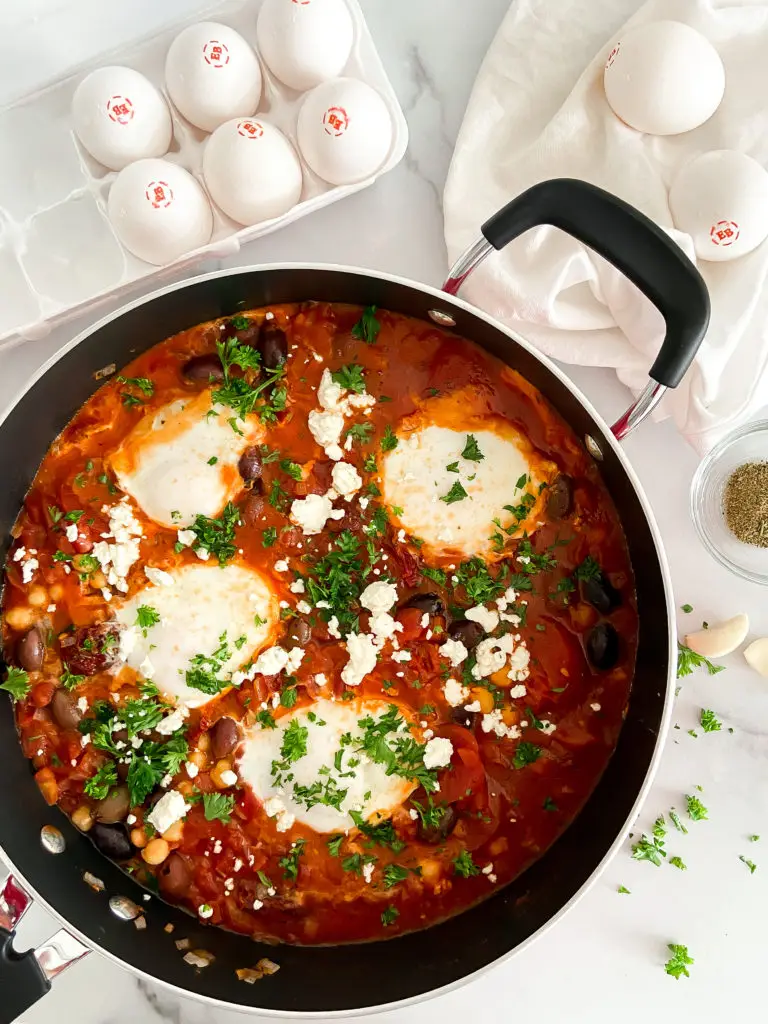
Canned chickpeas and dried chickpeas produce different finished textures. Canned chickpeas are pre-cooked, soft, and ready to use straight from the can. Dried chickpeas require overnight soaking plus 60-90 minutes of cooking, but produce a creamier, more flavorful finished bean. For hummus specifically, dried chickpeas cooked from scratch produce dramatically smoother results , the difference is the most noticeable of any canned-versus-dried swap. For most other recipes (curries, salads, soups), canned works fine and saves significant time. Rinsing canned chickpeas before use removes most of the metallic, sodium-heavy liquid and produces better-tasting results. Pairing rinsed chickpeas with olive oil and salt for a quick toast in a pan unlocks their flavor before they go into any further preparation.
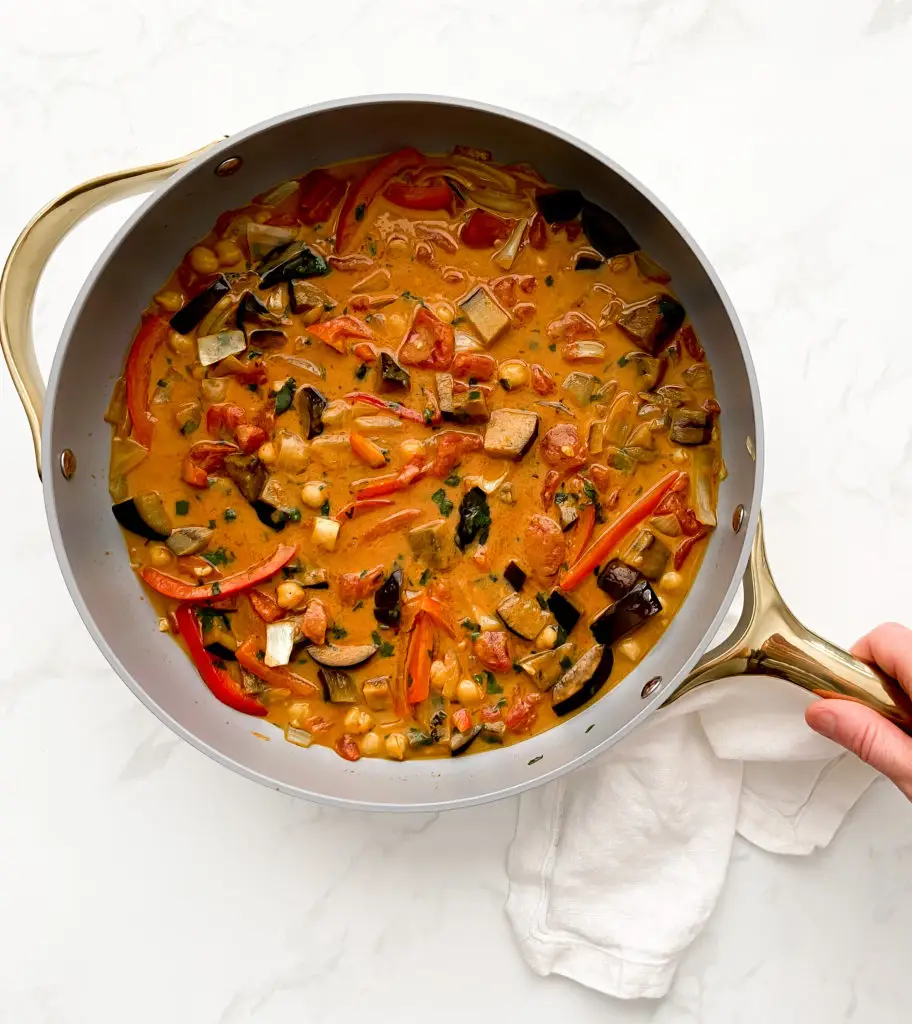
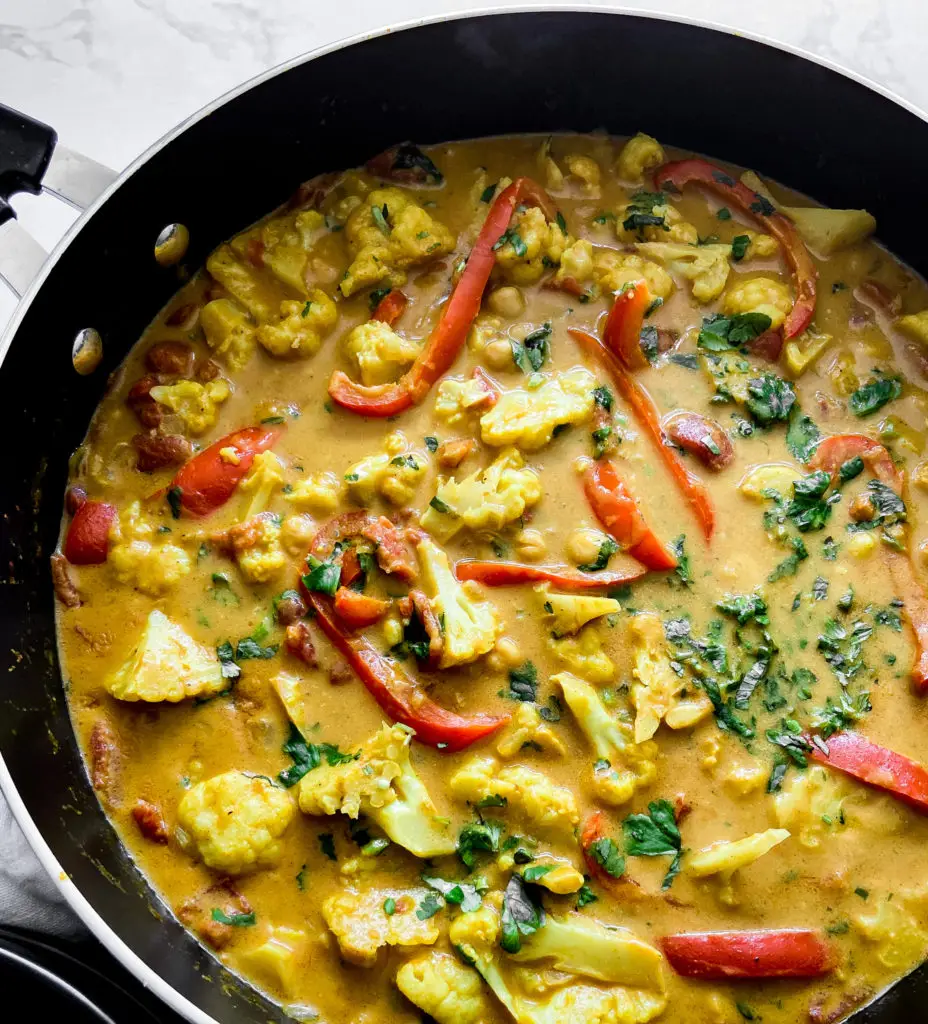
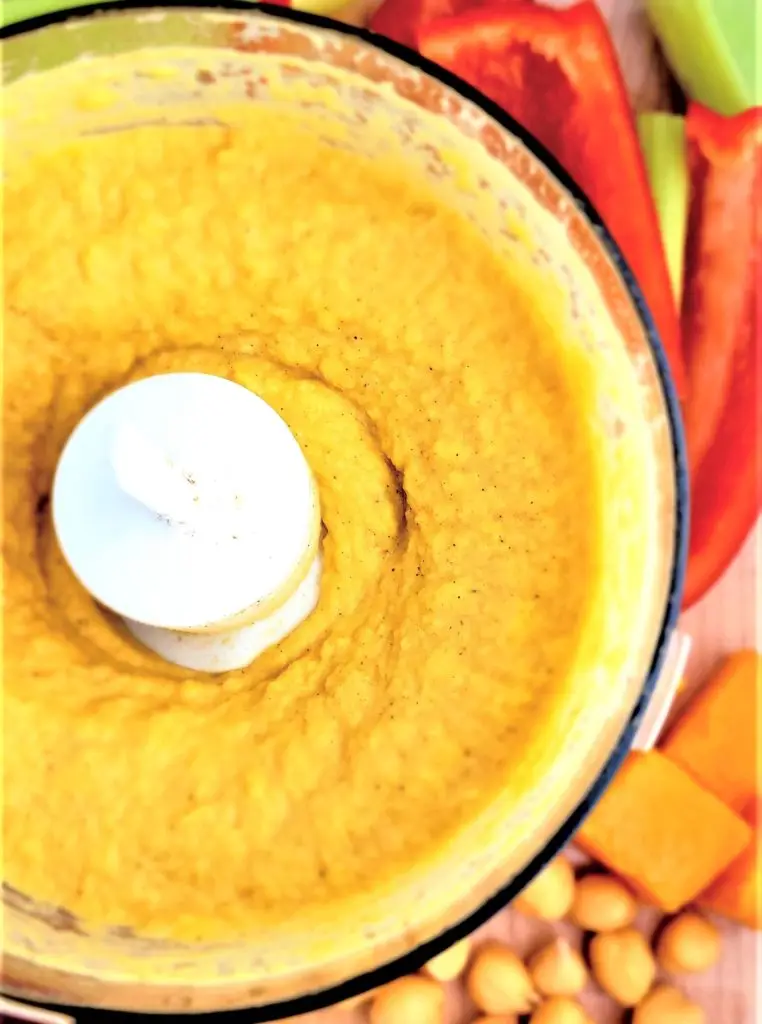
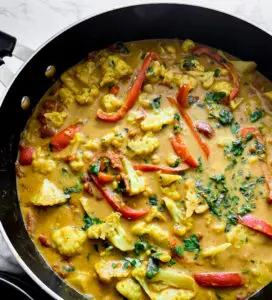
For the smoothest hummus, the technique that matters most is removing the chickpea skins. Each skin is roughly the size of a dime and contributes the grainy texture that distinguishes home hummus from restaurant hummus. The fastest way to remove them is to put rinsed chickpeas in a bowl of cold water and rub them between your palms , the skins float free and can be skimmed off. Skip the peeling and the hummus will be acceptable but never restaurant-smooth. Vegan Cauliflower Curry demonstrates a different chickpea use where the skins do not matter , in a curry, the texture variation actually helps the dish read as substantial rather than smooth.
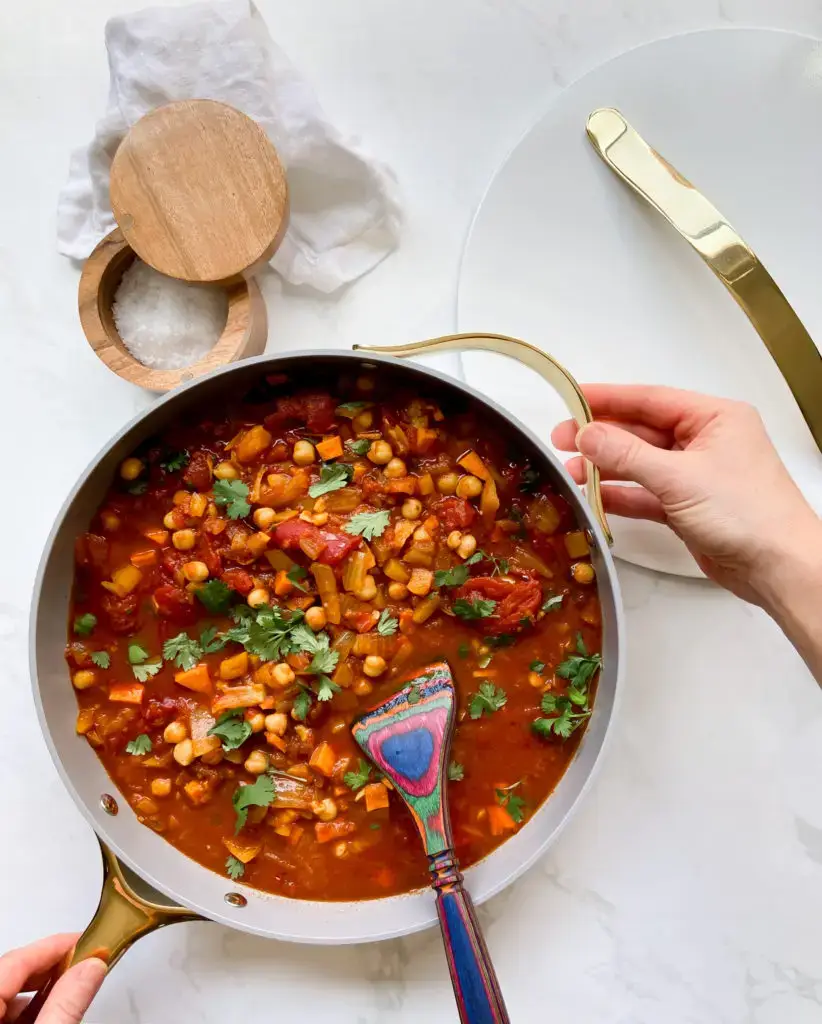
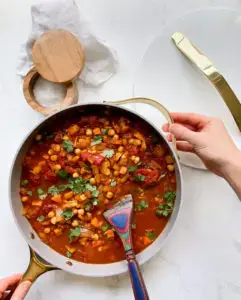
For roasted chickpeas as a snack or salad topping, the technique is straightforward: rinse and thoroughly dry the chickpeas (drying matters more than people realize , wet chickpeas steam rather than roast), toss with olive oil and spices, roast at 425°F for 25-30 minutes until crispy. The crispy result lasts 24 hours at room temperature; refrigerating them softens them back to their original texture. One Pot Moroccan Lettuce Wraps uses chickpeas in a different format , soft-cooked into the spiced base where they soak up the flavor of the surrounding spices, with lemon juice brightening the finished bowl at the end.
For protein and fiber content, a cup of cooked chickpeas delivers roughly 15g protein and 12g fiber, which is among the highest of any legume. For vegetarian and vegan meal prep, chickpeas anchor the lunchbox staples (hummus and vegetables, chickpea salads, chickpea-and-grain bowls) that hold up for the full week. The tahini pairing in hummus is non-negotiable , without tahini, the dish becomes chickpea puree rather than actual hummus, and the sesame paste is what gives the spread its distinctive flavor and creaminess. You can also check tofu and rice recipes.