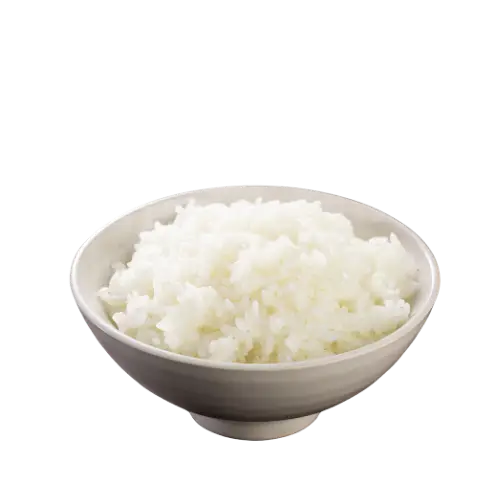
The rice cooking ratio depends on the variety. Long-grain rice cooks in 2 parts liquid to 1 part rice. Medium-grain rice cooks in 1.5 parts liquid to 1 part rice. Short-grain rice cooks in 1.25 parts liquid to 1 part rice. Memorizing the ratios eliminates most home cooking failures with rice. The same ratio matters in slow-cooker and instant-pot recipes, where the rice still expects the variety-specific liquid amount even when other ingredients are cooking alongside. Toasting the dry rice in oil and cumin seeds for 60 seconds before adding liquid bumps the flavor up significantly with no additional ingredients.
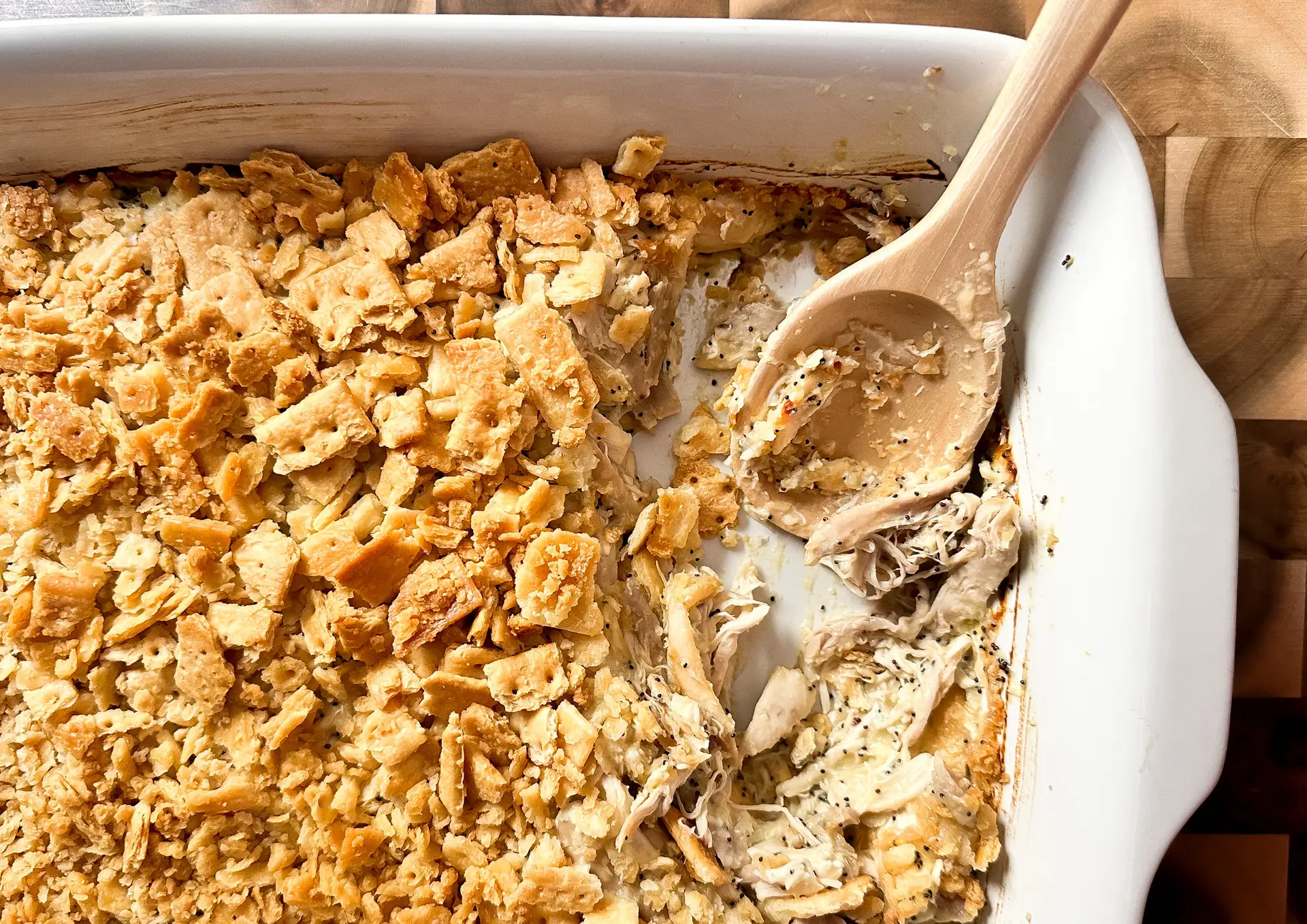
For rinsing, the rule depends on the goal. Long-grain rice intended to be fluffy and separate (Indian, Thai, Persian styles) benefits from rinsing until the water runs clear, which removes surface starch. Medium-grain rice intended for risotto or paella should NOT be rinsed — the surface starch is what creates the creamy texture. Short-grain rice intended for sushi gets rinsed briefly. The same rule applies to other starchy grains: rinse when you want separation, do not rinse when you want creaminess. Poppy Seed Chicken uses long-grain white rice as the base under the creamy chicken topping, where the rinsed-rice fluffy texture works against the creamy sauce.
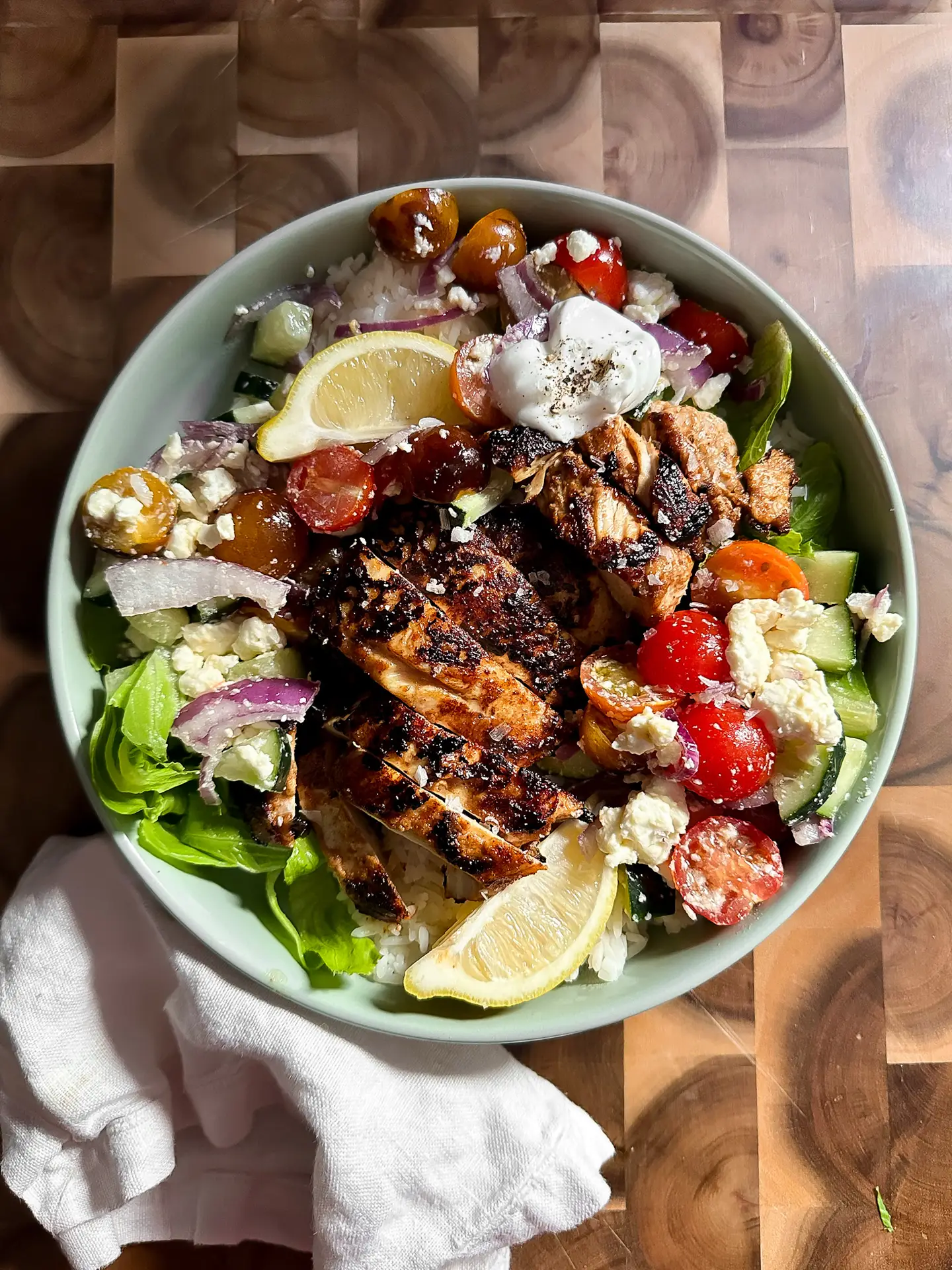
For Middle Eastern and Persian rice (the long, fluffy, often saffron-yellow variety), the cooking method differs from standard American rice. The technique is to parboil the rice for 6-8 minutes, drain it, then steam it over butter and turmeric for another 20 minutes. The result is the distinctive yellow crispy bottom (tahdig) and fluffy individual grains. One Pot Moroccan Lettuce Wraps use a simpler one-pot method that approximates this style without the dedicated steaming step.
For brown and wild rice, the cook time doubles compared to white rice (45 minutes vs 18-20), and the liquid ratio goes up slightly. The flavor is nuttier and the texture chewier, which works better in grain bowls than under cream sauces. cilantro as the finishing herb works equally well on both white and brown rice; the herb does not care about the grain underneath. For broader rice technique, the cooked rice always benefits from a 10-minute rest off the heat, covered, before fluffing with a fork — the steam redistributes during the rest and the grains separate cleanly when stirred.