Bread Baking FAQs
Baking fresh bread is one of the most rewarding skills in the kitchen, but it can also be the most intimidating. Whether you are struggling with dough that won’t rise, a crust that isn’t crisping, or a crumb that feels too dense, you are in the right place. I have compiled this comprehensive Bread Baking FAQs guide to solving your bread-baking frustrations so you can get back to pulling warm, fragrant loaves out of your oven. Before you dive into these tips, check out my full library of Bread Recipes or browse my professional Cooking Tips for more kitchen mastery.
The Bread Baking FAQs Essentials
Making bread at home is a simple science. You only need flour, water, yeast, and salt.
The Process: Combine, knead until smooth, let rise until doubled, shape, perform a second rise, and bake.
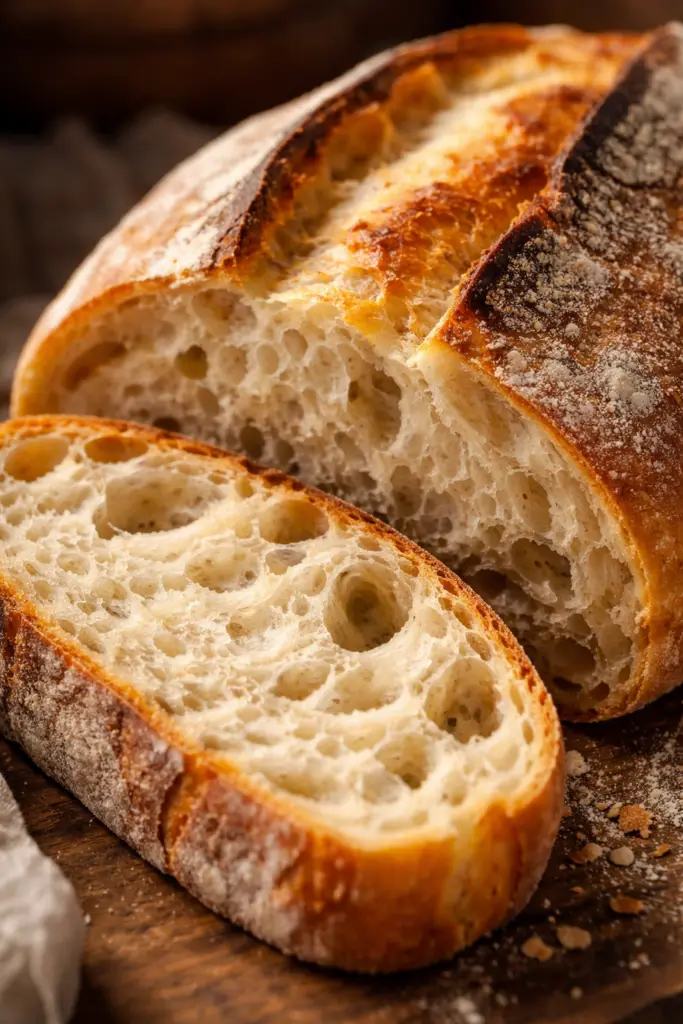
Temperature: Bake between 350°F and 375°F for soft sandwich loaves, and 425°F to 475°F for artisan, crusty bread.
The “Hollow” Test: Bread is finished when the crust is golden brown and sounds hollow when tapped on the bottom. If you have a thermometer, aim for an internal temp of 190–200°F.
Stacie’s Bread Baking FAQs
Knead Thoroughly: Develops the gluten network necessary for structure.
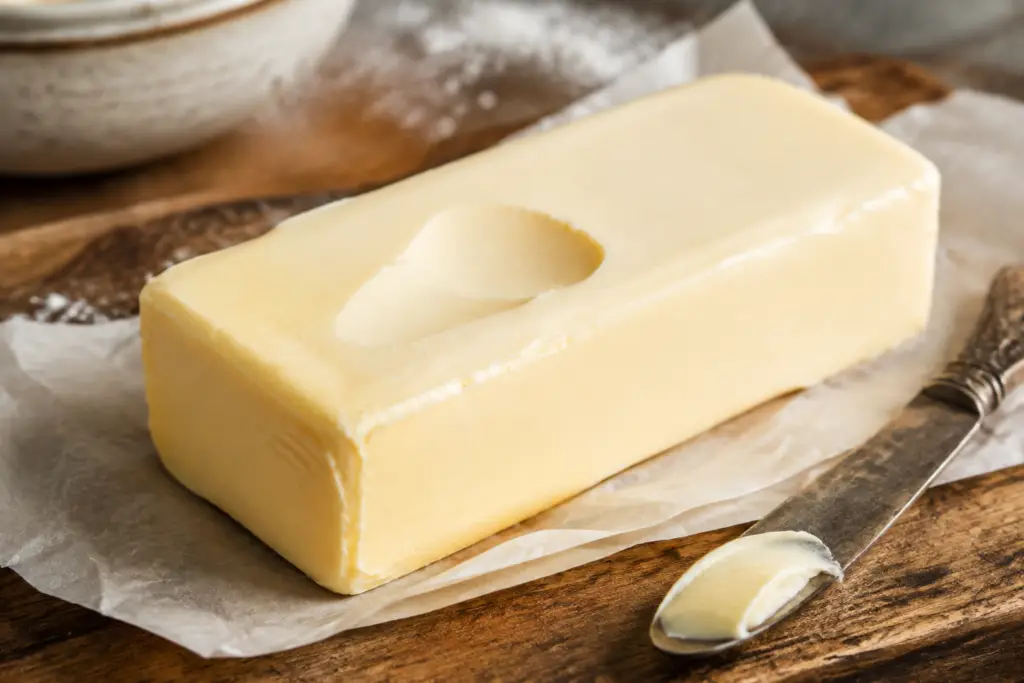
Fat Matters: Adding butter or oil makes for a softer, richer crumb.
Perfect Proofing: Always proof in a warm, draft-free spot.
Cool Completely: Never slice hot bread! Cutting too early traps steam and makes the inside gummy.
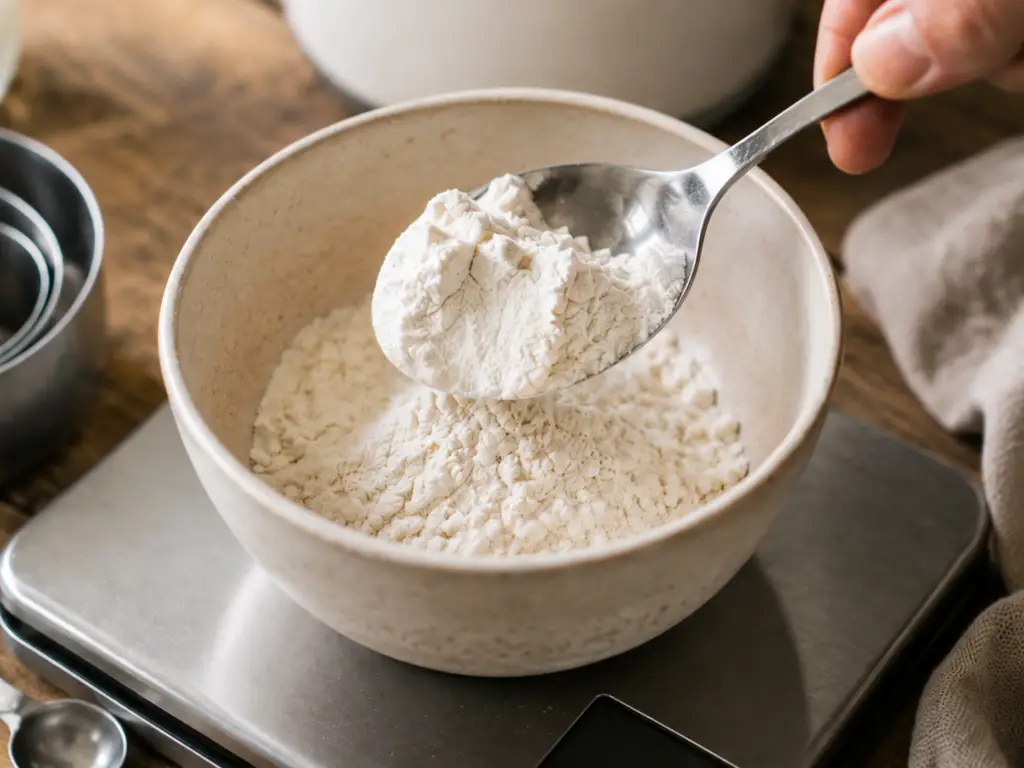
Measure Correctly: Use the “spoon and level” method for flour—packing it down leads to dense, dry loaves.
Steam for Crust: For professional, bakery-style crusts, place a pan of hot water in the bottom of the oven during the first 10 minutes of baking.
Why Is My Bread Not Turning Out Right?
Dense Bread: Usually caused by under-kneading, not letting the dough rise enough, or using too much flour.
Doesn’t Rise: Often the result of expired yeast, water that was too hot (killing the yeast), or a cold kitchen.
Gummy Texture: You likely cut into the bread while it was still hot. Let it rest on a wire rack until completely cool!
Dry Loaves: Too much flour or overbaking are the common culprits.
Don’t forget to tag your creations with @SugarFaceBakes and share how you make it!
Bread Baking FAQs (Frequently Asked Questions)
How do you make bread at home?
Bread Baking FAQs: Homemade bread is made by combining flour, water, yeast, and salt to form a dough, which is then kneaded, proofed, shaped, and baked until golden brown. This simple process for making bread at home yields a soft, fluffy interior with a crisp crust. For best results, pay close attention to your rising and baking times.
How long does bread take to bake?
Bread Baking FAQs: Most loaves of bread take 25 to 40 minutes to bake, depending on their size and specific recipe type. You will know the bread is done when the crust is a deep golden brown and sounds hollow when tapped on the bottom. If you are using a digital thermometer, the internal temperature should reach between 190–200°F.
What temperature should bread be baked at?
Bread Baking FAQs: Bread is typically baked between 350°F and 475°F, depending on the desired texture. Soft sandwich bread recipes generally bake at 350–375°F, while crusty artisan loaves require a higher heat of 425–475°F to achieve a crispy exterior.
Why is my bread dense?
Bread Baking FAQs: Dense bread is usually caused by not kneading the dough enough, rushing the rising time, using too much flour, or working with inactive yeast. For light, fluffy bread, ensure you knead the dough thoroughly to develop the gluten network and always allow the full rise time.
Why didn’t my bread rise?
Bread Baking FAQs: Your bread likely did not rise because the yeast was expired, the water was too hot and killed the yeast, the dough was kept in a cold environment, or it simply needed more time. Always use warm water—not hot—and allow your dough to proof in a consistently warm, draft-free space.
How do you make bread soft and fluffy?
Bread Baking FAQs: To make bread soft and fluffy, knead the dough thoroughly to develop strong gluten, incorporate fats like butter or oil, and let the dough rise completely. Proper hydration and avoiding overbaking are also essential steps in achieving the perfect texture for homemade bread.
Can I use all-purpose flour instead of bread flour?
Bread Baking FAQs: Yes, you can use all-purpose flour instead of bread flour, but the results will vary slightly. Bread flour has a higher protein content, which creates a stronger structure and a chewier texture. If you use all-purpose flour, your bread will still be delicious but may result in a slightly softer crumb.
Can you make bread without yeast?
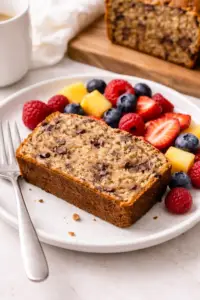
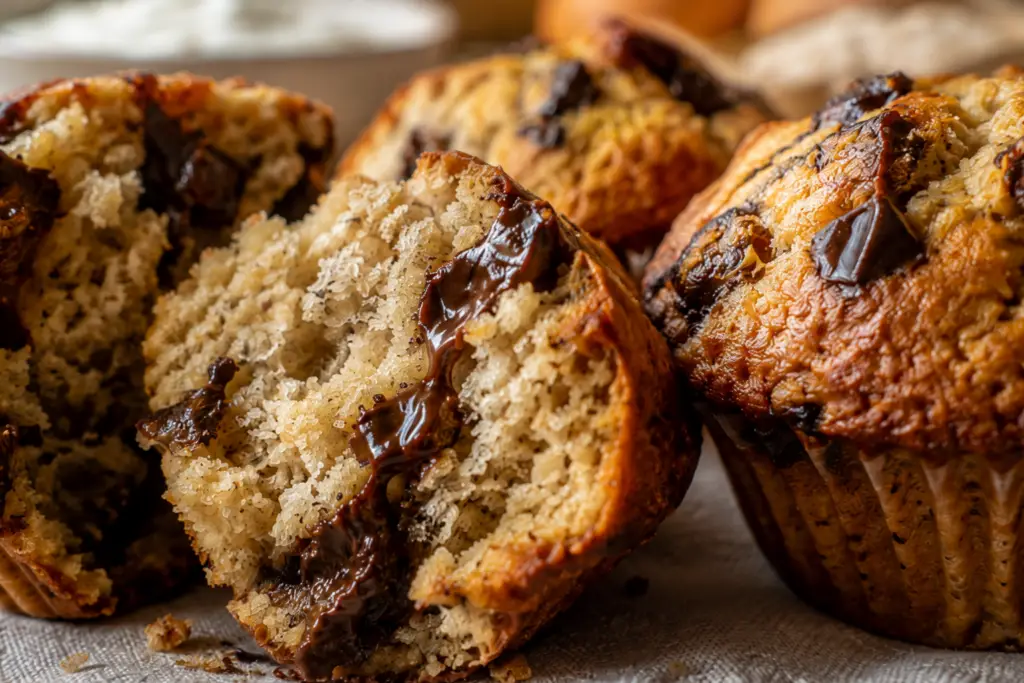
Bread Baking FAQs: Yes, you can make bread without yeast using leavening agents like baking soda or baking powder. These are known as “quick breads,” such as banana bread or soda bread, which do not require a rising time. This method is much faster than traditional yeast bread recipes.
How do you get a crispy crust on bread?
To get a crispy crust on homemade bread, bake at a high temperature and add steam to your oven by placing a pan of water on the bottom rack. Using a Dutch oven is another highly effective technique that traps steam to help create a professional, bakery-style crust.
How do you store homemade bread?
Store homemade bread at room temperature in an airtight container for 2–3 days. If you need to keep it for longer, wrap the loaf tightly and store it in the freezer for up to 3 months. Avoid keeping bread in the refrigerator, as the cold temperature will cause it to go stale much faster.
Why is my bread gummy inside?
Gummy bread is usually the result of underbaking the loaf or cutting into it while it is still hot. Always let your homemade bread cool completely on a wire rack before slicing to ensure the steam can fully escape and the crumb sets properly.
Do you have to knead bread?
No, you do not always have to knead bread. No-knead bread recipes are excellent for beginners because they use longer fermentation times to develop gluten structure naturally without physical effort.
What is proofing bread?
Proofing bread is the final rise of shaped dough before it goes into the oven. This stage is crucial because it allows the dough to develop its final structure, volume, and flavor, which ultimately leads to a better texture and oven spring.
Is homemade bread healthier than store-bought?
Homemade bread is often healthier because you can control the quality of ingredients, avoid unnecessary preservatives, and incorporate whole grains or alternative flours. Baking at home allows you to create fresher, more customizable bread that meets your specific dietary needs.
What happens if I add too much flour to bread?
Adding too much flour to your bread dough results in a dry, dense, and tough texture that fails to rise properly. Always measure your flour correctly using the spoon-and-level method rather than scooping directly from the bag to ensure consistent results.
More Dessert Guides & Recipes
Looking for more easy and comforting meals? Browse all recipes here: