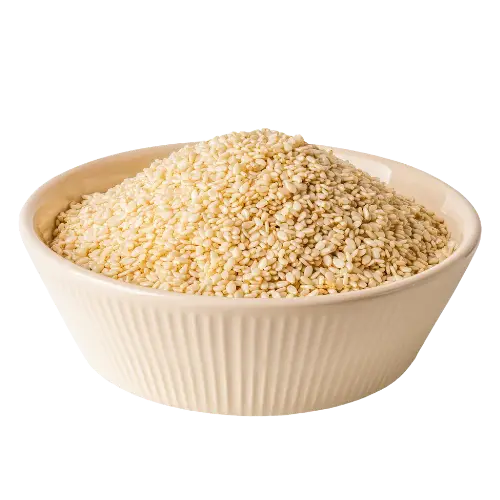
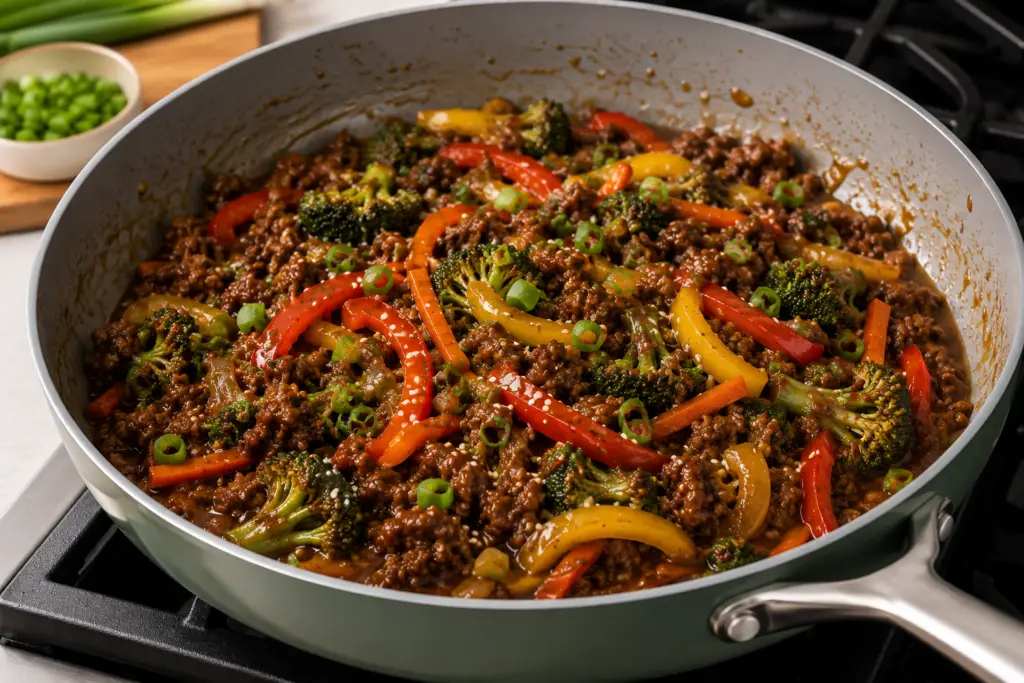
Sesame seeds are the small, nutty, toasted seed that finishes Asian-style stir-fries, tops everything-bagel breads, and grinds into tahini paste for Middle Eastern applications. Toasted seeds bring dramatically deeper flavor than raw. The clearest recipe on the site that uses sesame seeds is Easy Pad Thai Noodles where sesame seeds finish the dish alongside crushed peanuts.


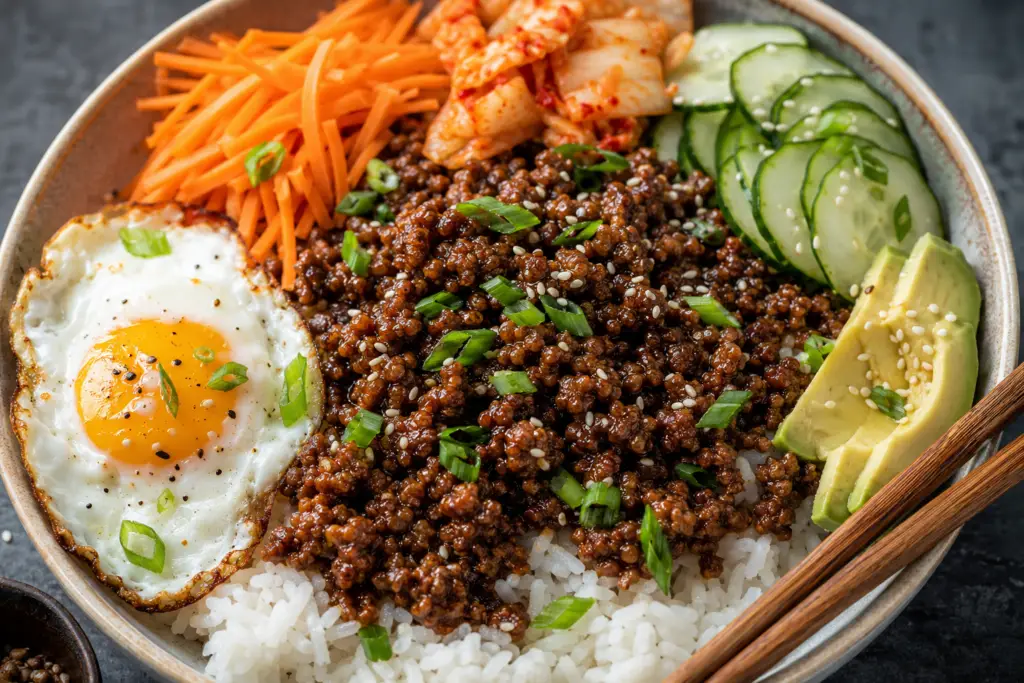
Toasting sesame seeds before use transforms the flavor entirely. Raw sesame seeds taste mild and grassy; toasted seeds taste nutty, slightly sweet, and unmistakably ‘sesame.’ The technique: spread seeds in a dry skillet over medium heat, shake constantly for 3-5 minutes until fragrant and lightly golden. The same technique works for almonds, pine nuts, and most small seeds. Pairing toasted sesame seeds with soy sauce on rice produces the simplest finished side dish.
Black sesame seeds and white sesame seeds are not interchangeable for visual purposes but are roughly equivalent in flavor. White sesame seeds dominate Western applications (bagels, hamburger buns, salads); black sesame seeds dominate Japanese and Korean cuisine (rice toppings, ice cream, mochi). Mixed in a salad or noodle bowl, the two-color combination is visually striking and signals ‘thoughtful presentation’ to eaters.
For sesame paste (tahini) and dressings, the seeds are ground with olive oil or sesame oil into a smooth paste. Homemade tahini takes 5 minutes in a food processor (1 cup toasted sesame seeds + 2-3 tablespoons neutral oil) and tastes dramatically fresher than the jarred version. The same paste forms the base of hummus, baba ghanoush, and Middle Eastern dressings. Adding ginger to a tahini-based sauce shifts it toward Asian-style applications. Browse tahini, sesame oil, and chia seeds for closely related cooking applications.
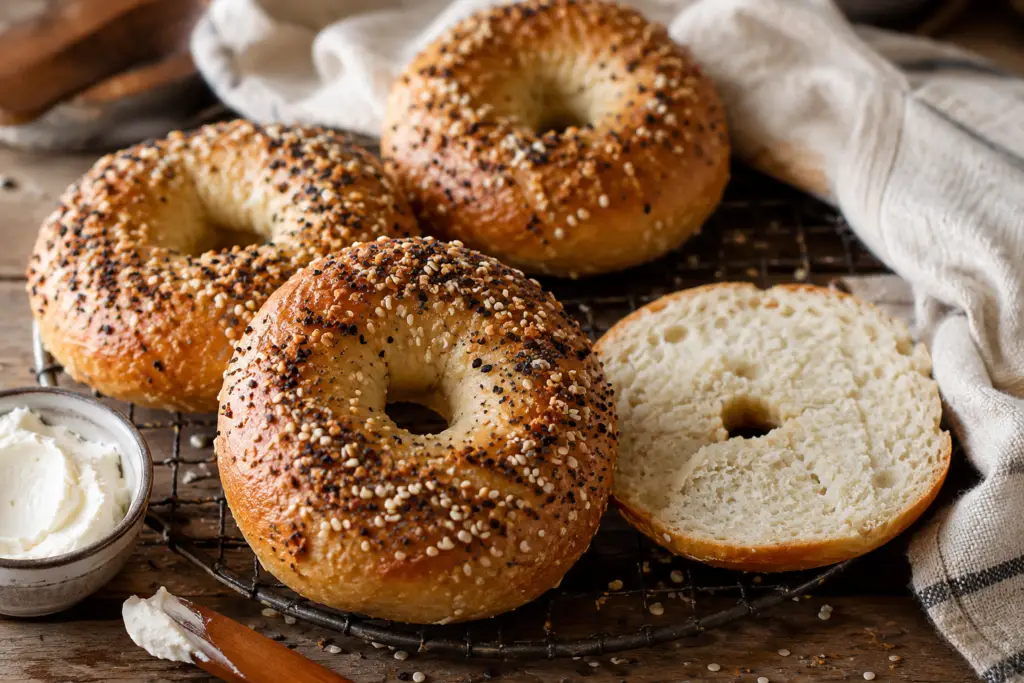
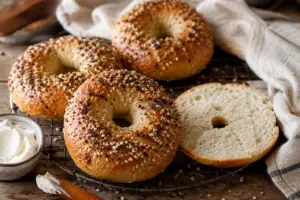
For finishing applications, sesame seeds work on bagels, hamburger buns, sushi rolls, sesame chicken, and any Asian-style dish that benefits from the toasted finish. Everything bagel seasoning combines sesame seeds, poppy seeds, dried garlic, dried onion, and salt. The homemade version costs roughly a quarter of the store-bought everything-bagel jar.

Spread sesame seeds in a single layer in a dry skillet over medium heat. Shake the pan constantly for 3 to 5 minutes until the seeds are fragrant and lightly golden. Watch them closely because they go from perfectly toasted to burnt in under a minute. Transfer immediately to a plate or bowl to stop the cooking. Store toasted seeds in a sealed jar for up to 2 weeks.
White sesame seeds are the standard variety used in Western baking, salads, and as a burger bun topping. Black sesame seeds are more common in Japanese and Korean cooking on rice, mochi, and desserts. Their flavor is nearly identical when toasted, but black sesame seeds have a slightly more intense nuttiness. Mixed together in a dish, they create a visually striking two-tone effect.
Poppy seeds make the closest visual substitute. For flavor, toasted sunflower seeds or finely chopped toasted almonds replicate the nutty depth. In Asian dressings where sesame seeds are part of the flavor profile, a small amount of sesame oil can replace the seeds. Poppy seeds also work well as a topping on breads and bagels where sesame seeds are traditionally used.
Toast 1 cup of sesame seeds, then transfer to a food processor. Process for 1 minute until the seeds form a coarse paste. With the processor running, drizzle in 2 to 3 tablespoons of neutral oil until the paste is smooth and pourable. Homemade tahini takes about 5 minutes total and tastes significantly fresher than jarred versions.
For more seed and topping options, see our poppy seeds and toasted pumpkin seeds recipes.