
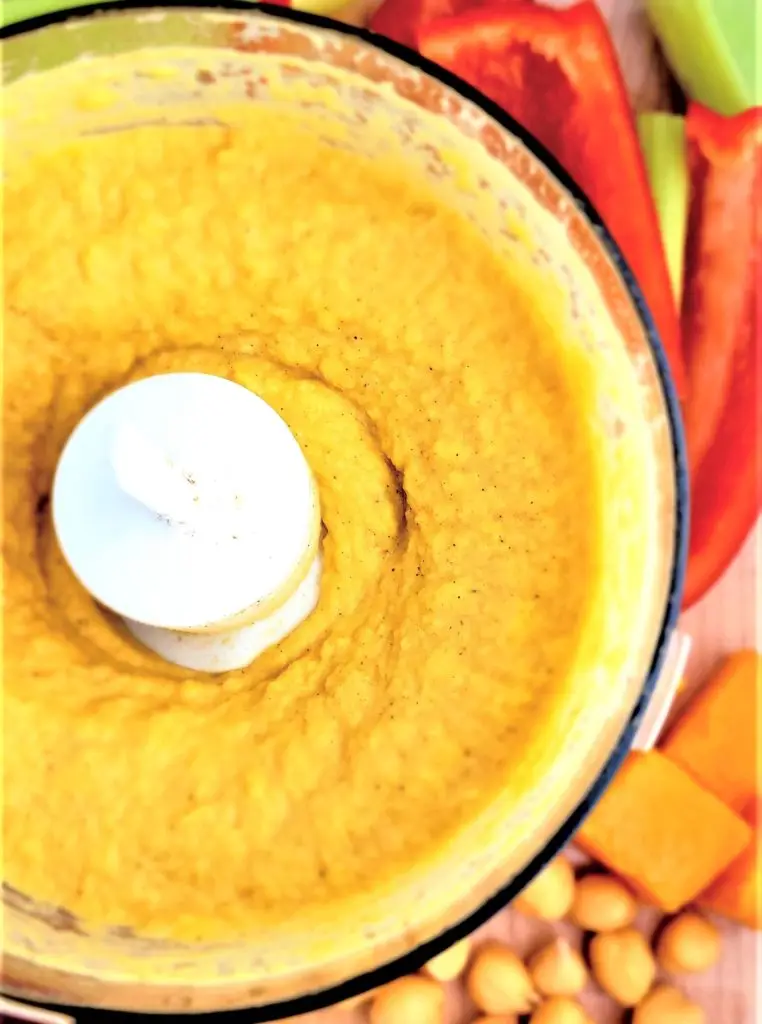
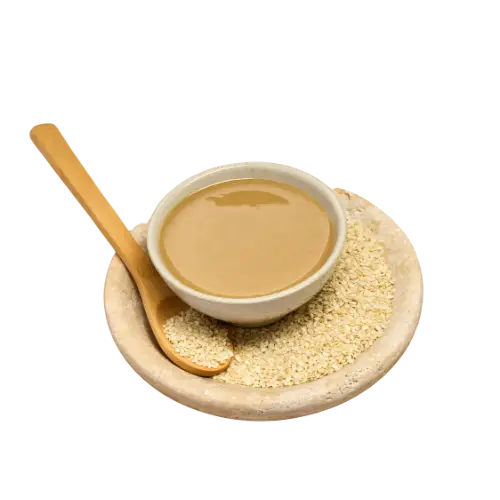
Tahini is the smooth paste made from ground sesame seeds, the foundation of hummus, baba ganoush, and most Middle Eastern dressings. The flavor is slightly bitter and deeply nutty; the texture should pour but not be too thin (similar to natural peanut butter). Reader favorites that build on it include Chicken Shawarma Bowls and Easy and Smooth Hummus where the tahini provides the nutty-bitter base that defines authentic Middle Eastern flavor.

Tahini quality varies dramatically by brand. Premium tahini (Soom, Seed + Mill, Al Wadi) is made from hulled sesame seeds and has a smooth, pourable consistency with slightly sweet, nutty flavor. Lower-quality tahini is made from unhulled seeds and has a bitter, gritty flavor that requires sugar or honey to balance. The brand difference is noticeable enough that recipes can fail if you use poor-quality tahini.
For hummus, tahini is the foundational ingredient (not chickpeas, despite the visual). The Israeli technique that produces ultra-smooth hummus uses 1 cup chickpeas + 3/4 cup tahini + lemon juice + garlic + salt, blended for 4-5 minutes with the food processor running. The high tahini ratio and long blend time are what produce restaurant-quality smoothness.
For baba ganoush, tahini combines with smoked or roasted eggplant for the silky Middle Eastern dip. The standard ratio is 1 large eggplant (charred and peeled) + 3 tablespoons tahini + 2 tablespoons lemon juice + 1 garlic clove + 2 tablespoons olive oil + salt, blended until smooth.
For salad dressings and sauces, tahini thins with lemon juice and water for a pourable Middle Eastern-style dressing. The standard recipe is 1/2 cup tahini + 1/4 cup lemon juice + 1/4 cup water + 1 garlic clove + 1/2 teaspoon salt, whisked smooth. The dressing seizes initially when you add the lemon juice, then loosens when the water goes in; this is normal.
For cookies and baked goods, tahini adds sesame depth to chocolate chip cookies, brownies, and shortbread. The standard substitution is replacing 1/4 cup of butter with 1/4 cup tahini for nuttier, slightly less sweet results. Tahini-and-chocolate combinations are common in Middle Eastern desserts.
For halvah, tahini combines with hot sugar syrup to form the crystalline candy texture. Homemade halvah is challenging because the sugar must reach exactly the right temperature; store-bought versions are the practical choice for most home cooks.
For oil separation, all-natural tahini separates with oil rising to the top. Stir thoroughly before each use; storing upside down for a week before opening helps redistribute the oil. Once stirred, refrigeration keeps the mixture stable for several weeks.
For storage, opened tahini keeps 6 months in the pantry, 12 months refrigerated. Refrigerated tahini firms up; let it sit at room temperature 30 minutes before using for easier scooping. Discard if the smell goes rancid (rare but possible with old jars). Browse hummus and pita bread for closely related Middle Eastern ingredients.
Tahini recipes are made by mixing tahini with other ingredients like lemon juice, garlic, and water for sauces, or adding it to dishes and baked goods. Start by stirring tahini until smooth, then combine it with other ingredients to create dressings, dips, or spreads.
Tahini is used in sauces, dressings, dips, and baked goods. It can be thinned with water or lemon juice to make a sauce, or mixed into batters and doughs. Its creamy texture makes it useful for both savory and sweet recipes.
Tahini is used in recipes like dressings, sauces, dips, grain bowls, and baked goods. It is commonly added to salads, roasted vegetables, and spreads. Its nutty flavor pairs well with both savory ingredients and sweet flavors like honey.
Peanut butter, almond butter, or sunflower seed butter can be used as substitutes for tahini. These alternatives provide a similar creamy texture, though the flavor will vary slightly. Use the same amount and adjust seasoning as needed.
For more sesame and Middle Eastern options, see our sesame oil and olive oil recipes.